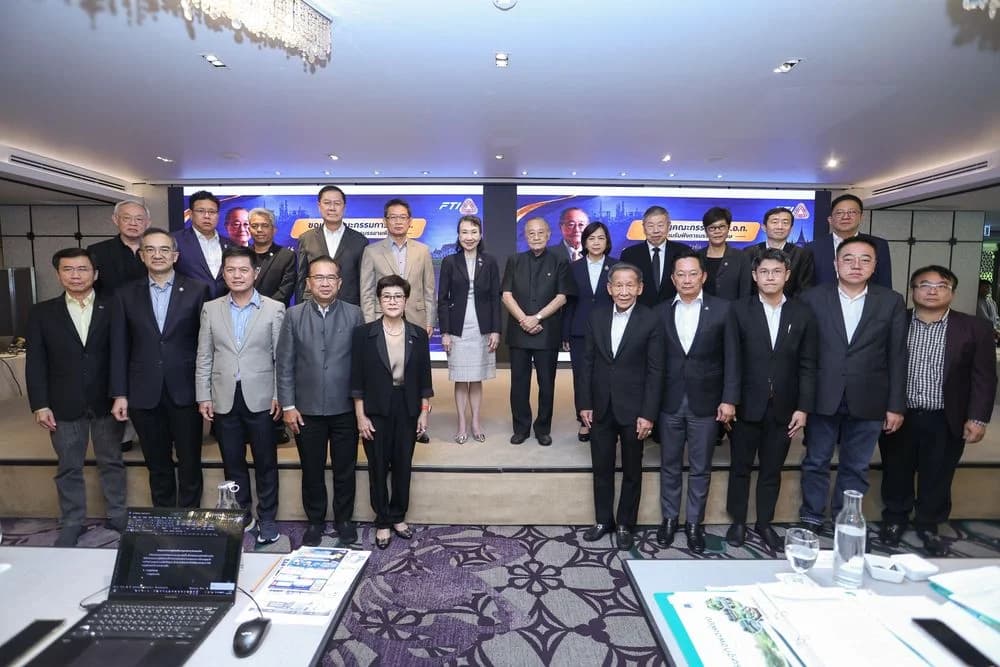

นายเกรียงไกร เธียรนุกุล ประธานสภาอุตสาหกรรมแห่งประเทศไทย (ส.อ.ท.) และม.ล.ปีกทอง ทองใหญ่ รองประธานสภาอุตสาหกรรมแห่งประเทศไทย (ส.อ.ท.) ร่วมเปิดเผยผลการสำรวจดัชนีความเชื่อมั่นภาคอุตสาหกรรมในเดือนมิถุนายน 2567 อยู่ที่ระดับ 87.2 ปรับตัวลดลงจาก 88.5 ในเดือนพฤษภาคม 2567 โดยปรับตัวลดลงติดต่อกันเป็นเดือนที่ 3 เมื่อพิจารณาองค์ประกอบของดัชนีฯ พบว่า ปรับตัวลดลงทุกองค์ประกอบ ทั้งยอดคำสั่งซื้อโดยรวม ยอดขายโดยรวม ปริมาณการผลิต ต้นทุนประกอบการ และผลประกอบการ โดยมีปัจจัยลบจากเศรษฐกิจในประเทศยังฟื้นตัวช้า จากอุปสงค์ในประเทศที่ยังฟื้นตัวไม่ทั่วถึงขณะที่กำลังซื้อของผู้บริโภคยังอ่อนแอ จากปัญหาหนี้เสีย (NPL) ที่เร่งตัวขึ้น โดยเฉพาะที่อยู่อาศัย รถยนต์ บัตรเครดิต และสินเชื่อส่วนบุคคล ส่งผลให้การบริโภคในประเทศชะลอลง ขณะเดียวกันผู้ประกอบการ SMEs ประสบปัญหาสภาพคล่อง ขาดเงินหมุนเวียนในกิจการ และเข้าถึงสินเชื่อได้ยากขึ้น เนื่องจากสถาบันการเงินมีความระมัดระวังในการอนุมัติสินเชื่อ นอกจากนี้ ปัญหาการขาดแคลนตู้คอนเทนเนอร์และเรือขนส่งสินค้ายังเป็นปัญหาต่อเนื่อง ทำให้ค่าระวางเรือเพิ่มสูงขึ้น ขณะที่ความไม่แน่นอนทางการเมือง ส่งผลกระทบต่อความเชื่อมั่นของผู้ประกอบการ
อย่างไรก็ตาม ในเดือนมิถุนายน ยังมีปัจจัยสนับสนุนมาตรการส่งเสริมการท่องเที่ยวในประเทศช่วง Low season และมาตรการฟรีวีซ่าช่วยดึงดูดนักท่องเที่ยวต่างชาติ ขณะที่การขยายตัวของอุปสงค์จากต่างประเทศ โดยเฉพาะตลาดสหรัฐฯ อาเซียน อินเดีย และจีนที่เริ่มฟื้นตัว ตลอดจนการอ่อนค่าของเงินบาท ส่งผลดีต่อภาคการส่งออก
จากการสำรวจผู้ประกอบการ 1,341 ราย ครอบคลุม 46 กลุ่มอุตสาหกรรมของสภาอุตสาหกรรมแห่งประเทศไทย (ส.อ.ท.) ในเดือนมิถุนายน 2567 พบว่าปัจจัยที่ผู้ประกอบการมีความกังวลเพิ่มขึ้น ได้แก่ ราคาน้ำมัน ร้อยละ 62.4 เศรษฐกิจในประเทศ ร้อยละ 63.4 สถานการณ์การเมืองในประเทศ ร้อยละ 49.4 ตามลำดับ ปัจจัยที่มีความกังวลลดลง ได้แก่ เศรษฐกิจโลก ร้อยละ 61.9 อัตราดอกเบี้ยเงินกู้ ร้อยละ 57.1 อัตราแลกเปลี่ยน (มุมมองผู้ส่งออก) โดยอัตราแลกเปลี่ยนอ้างอิงค่าเงินบาทเทียบกับดอลลาร์สหรัฐฯ ร้อยละ 35.1 ตามลำดับ
ขณะที่ดัชนีฯ คาดการณ์ 3 เดือนข้างหน้า อยู่ที่ระดับ 93.4 ปรับตัวลดลง จาก 95.7 ในเดือนพฤษภาคม 2567 ต่ำสุดในรอบ 33 เดือน นับตั้งแต่เดือนตุลาคม 2564 โดยมีปัจจัยเสี่ยงจากนโยบายการปรับขึ้นค่าจ้างขั้นต่ำ 400 บาททั่วประเทศส่งผลกระทบต่อความเชื่อมั่นด้านต้นทุนประกอบการ โดยเฉพาะผู้ประกอบการ SMEs ขณะที่ความไม่แน่นอนของปัญหาทางด้านภูมิรัฐศาสตร์ (Geopolitics) ส่งผลกระทบต่อราคาพลังงาน และห่วงโซ่การผลิตในตลาดโลก นอกจากนี้ สงครามการค้าระหว่างสหรัฐฯ – จีน รอบใหม่ จากการที่สหรัฐฯ ประกาศขึ้นภาษีนำเข้าสินค้าจากจีนเพิ่มเติม อาจทำให้สินค้าจากจีนเข้ามาแข่งขันในไทยเพิ่มขึ้น อย่างไรก็ตาม ยังมีปัจจัยบวกจากการใช้จ่ายและการลงทุนภาครัฐที่จะเพิ่มขึ้นในช่วงไตรมาส 3 ปี 2567 ช่วยหนุนเศรษฐกิจให้เติบโต
ข้อเสนอแนะต่อภาครัฐ
1. เสนอให้ภาครัฐหาแนวทางแก้ไขปัญหาการขาดแคลนตู้คอนเทนเนอร์ รวมถึงค่าระวางเรือ (Freight) และค่าใช้จ่ายส่วนเพิ่ม (Surcharge) ต่างๆ ที่ปรับตัวสูงขึ้นในทุกเส้นทาง อาทิ ออกมาตรการอุดหนุนค่าใช้จ่ายด้านการขนส่งให้กับผู้ประกอบการ SMEs
2. เสนอให้ภาครัฐออกมาตรการป้องกันสินค้าต่างชาติที่เข้ามาทุ่มตลาดในประเทศ เพื่อลดผลกระทบให้กับผู้ประกอบการ ตลอดจนส่งเสริมให้มีการใช้สินค้าที่ผลิตในประเทศ (Made in Thailand หรือ MiT)
3. เร่งเบิกจ่ายงบประมาณภาครัฐให้ได้ตามเป้าหมาย และให้หน่วยรับงบประมาณพิจารณากำหนดระยะเวลาการส่งมอบงานให้เร็วขึ้น เพื่อให้สามารถเบิกจ่ายได้ทันภายในเดือนกันยายน 2567
ทั้งนี้ ส.อ.ท. ได้ทำการรวบรวมข้อมูลผลการสำรวจดัชนีความเชื่อมั่นภาคอุตสาหกรรม และข้อมูลตัวชี้วัดทางเศรษฐกิจและอุตสาหกรรมจากหน่วยงานต่างๆ ย้อนหลัง 3 ปี จัดทำเป็น Dashboard เผยแพร่ในเว็บไซต์ศูนย์ข้อมูลภาคเศรษฐกิจและอุตสาหกรรม Industry Data Space (iDS) ของ ส.อ.ท. เพื่ออำนวยความสะดวกให้แก่ผู้ประกอบการและบุคคลทั่วไปให้สามารถเข้าถึงข้อมูลที่เป็นประโยชน์ในการดำเนินธุรกิจ โดยสามารถเข้าไปใช้บริการข้อมูลดังกล่าวได้ที่ www.fti.or.th/ids
ส.อ.ท. มุ่ง “เสริมสร้างความเข้มแข็งให้อุตสาหกรรมไทย เพื่อประเทศไทยที่เข้มแข็งกว่าเดิม (Strengthen Thai Industries for Stronger Thailand)”
..............
เผยแพร่โดย ฝ่ายสื่อสารองค์กร สภาอุตสาหกรรมแห่งประเทศไทย (โทร. 0-2345-1013)
จัดทำข้อมูลโดย ฝ่ายเศรษฐกิจและวิชาการ สภาอุตสาหกรรมแห่งประเทศไทย (โทร. 0-2345-1111)
Mr. Kriangkrai Thiannukul, Chairman of the Federation of Thai Industries (FTI), and Mom Luang Piktong Thongyai, Vice Chairman of the Federation of Thai Industries (FTI), jointly revealed the results of the industrial confidence index survey for June 2024, which stands at 87.2, a decrease from 88.5 in May 2024. This marks a continuous decline for the third month in a row. When considering the components of the index, all components have decreased, including total orders, total sales, production volume, operational costs, and profitability. Factors contributing to this decline include the slow economic recovery, uneven domestic demand, and weak consumer purchasing power due to an increase in non-performing loans (NPLs), particularly in the housing, automotive, credit card, and personal loan sectors, which has led to a slowdown in domestic consumption. Meanwhile, SMEs are facing liquidity issues, a lack of working capital, and increased difficulties in accessing credit as financial institutions are cautious in approving loans. Additionally, ongoing problems with container shortages and shipping vessels have resulted in increased freight rates, while political uncertainty negatively impacts business confidence.
However, in June, there were still supporting factors such as measures to promote domestic tourism during the low season and free visa policies that attracted foreign tourists. The growth in external demand, especially from the United States, ASEAN, India, and China, which is starting to recover, along with the depreciation of the Thai baht, positively impacts the export sector.
From a survey of 1,341 operators covering 46 industrial groups within the Federation of Thai Industries (FTI) in June 2024, it was found that concerns among operators have increased regarding oil prices at 62.4%, the domestic economy at 63.4%, and the political situation in the country at 49.4%. Meanwhile, concerns have decreased regarding the global economy at 61.9%, loan interest rates at 57.1%, and exchange rates (from the exporters' perspective), with the exchange rate benchmark for the Thai baht against the US dollar at 35.1%.
The index for the next three months is forecasted at 93.4, a decrease from 95.7 in May 2024, representing the lowest level in 33 months since October 2021. Risk factors include the policy of raising the minimum wage to 400 baht nationwide, which affects confidence related to operational costs, especially for SMEs. Additionally, geopolitical uncertainties affect energy prices and global supply chains. Furthermore, the new US-China trade war, due to the US's announcement of new tariffs on Chinese imports, may increase competition for Chinese products in Thailand. Nevertheless, there are positive factors from increased public spending and investment expected in the third quarter of 2024 that will help support economic growth.
Recommendations for the government:
1. Propose that the government find solutions to the shortage of containers as well as rising freight rates and surcharges in all routes, such as implementing subsidies for transportation costs for SMEs.
2. Propose that the government implement measures to protect against foreign goods flooding the domestic market to reduce impacts on operators, and encourage the use of domestically produced goods (Made in Thailand or MiT).
3. Accelerate the disbursement of government budgets to meet targets and allow budgetary units to expedite project delivery timelines so that disbursements can occur by September 2024.
The FTI has compiled data from the industrial confidence index survey and economic and industrial indicators from various agencies over the last three years to create a dashboard published on the FTI Industry Data Space (iDS) website to facilitate access to valuable business information for operators and the public, which can be accessed at www.fti.or.th/ids.
The FTI aims to “Strengthen Thai Industries for a Stronger Thailand.”
..............
Published by the Corporate Communications Department of the Federation of Thai Industries (Tel. 0-2345-1013)
Data prepared by the Economic and Academic Department of the Federation of Thai Industries (Tel. 0-2345-1111)