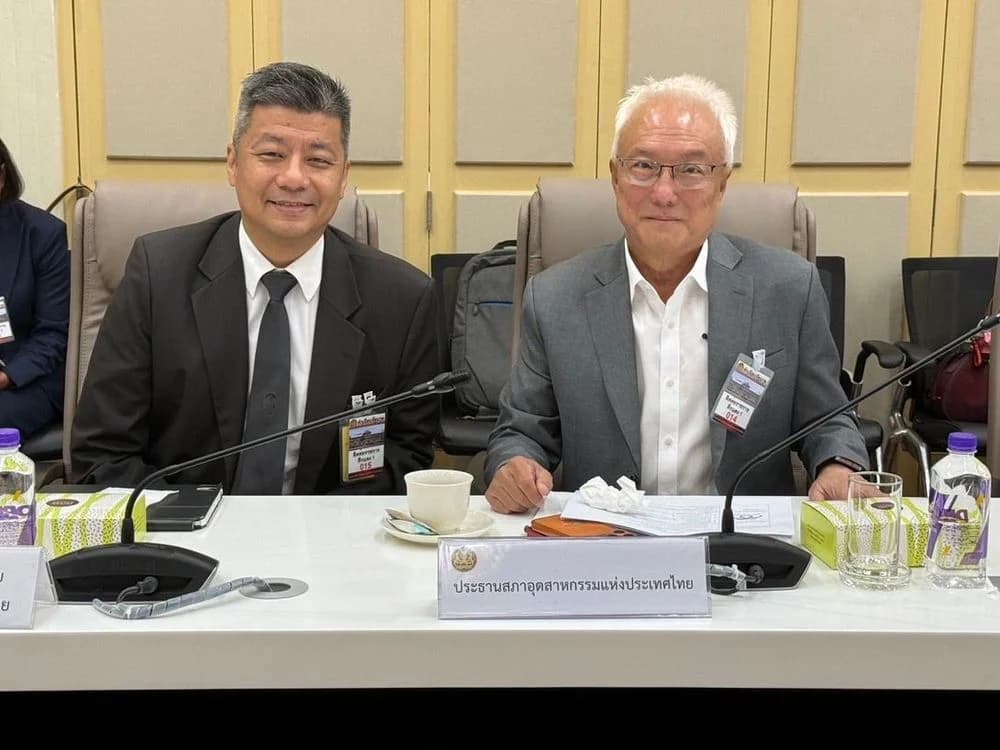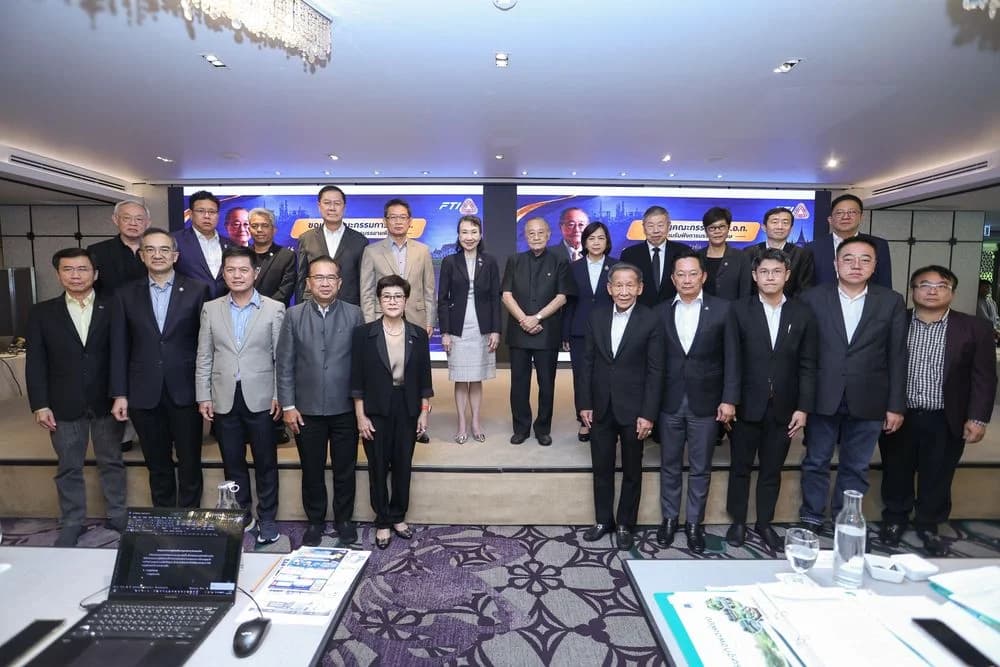

เมื่อวันอังคารที่ 22 ตุลาคม 2567 ที่ผ่านมา นายเกรียงไกร เธียรนุกุล ประธานสภาอุตสาหกรรมแห่งประเทศไทย (ส.อ.ท.) ได้รับเกียรติขึ้นบรรยายและเสวนา “โค้งสุดท้ายเลือกตั้งประธานาธิบดีสหรัฐฯ” จัดโดยไทยพีบีเอส (Thai PBS World) ร่วมกับสมาคมอเมริกาศึกษาในประเทศไทย ณ บริเวณลานไม้ อาคาร A ไทยพีบีเอส
นายเกรียงไกร ได้ฉายภาพผลกระทบต่อนโยบายความสัมพันธ์ด้านเศรษฐกิจต่อโลกและประเทศไทย รวมทั้งขึ้นเสวนาสะท้อนนโยบายเศรษฐกิจและการค้าระหว่างทรัมป์กับแฮร์ริส ผลกระทบที่คาดว่าจะมีต่อความร่วมมือทางเศรษฐกิจและการค้า โดยเฉพาะกับประเทศไทยและประเทศในภูมิภาค รวมทั้งความสัมพันธ์และการเผชิญหน้ากับจีน
นายเกรียงไกร กล่าวว่า ในภาคอุตสาหกรรม ผู้ประกอบการแสดงความกังวลมาโดยตลอด เพราะอยู่ในช่วงของความท้าทายของโลก ซึ่งหนึ่งในนั้น หนีไม่พ้นเรื่องสงครามทางการค้า (Trade wars)ซึ่งกระทบการค้า การลงทุนทั่วโลก โดยเฉพาะในประเทศไทย ต้องปรับตัวอย่างมาก
สำหรับการเลือกตั้งที่จะเกิดขึ้นอีกไม่เกิน 2 สัปดาห์นี้ มีประเด็นที่ต้องวิเคราะห์หลายๆ ด้าน ไม่ว่าจะเป็นด้านการค้าระหว่างประเทศ การลงทุน การเข้าถึงเทคโนโลยี ความร่วมมือและความสัมพันธ์ระหว่างประเทศ รวมทั้งเรื่องอุตสาหกรรมและสิ่งแวดล้อม
สำหรับด้านการค้าระหว่างประเทศ นโยบายของคามาลา แฮร์ริสจะเจาะจงเพิ่มภาษีนำเข้าสินค้าจากจีน เช่น เพิ่มภาษีนำเข้ารถไฟฟ้าจากจีนจาก 25% เป็น 100% สำหรับนโยบายของโดนัลด์ ทรัมป์ จะเน้นการเพิ่มภาษีนำเข้าสินค้าจากต่างประเทศทั้งหมด 10% และเพิ่มภาษีนำเข้าสินค้าจีนเป็น 60-100% รวมทั้งเรียกร้องรัฐสภาผ่านกฎหมายให้อำนาจประธานาธิบดีกำหนดภาษีศุลกากรแบบต่างตอบแทนกับประเทศใดก็ตามที่เรียกเก็บภาษีสินค้าจากสหรัฐ และจะให้มีการยกเลิกการนำเข้าสินค้าจำเป็นจากจีน เช่น อุปกรณ์อิเล็กทรอนิกส์ เหล็กกล้า ยา เป็นต้น ซึ่งจะส่งผลต่อไทย ในแง่โอกาสและความเสี่ยง โดยเป็นโอกาสที่ไทยส่งออกสินค้าไปสหรัฐ (ทดแทนสินค้าจีน) ได้มากขึ้น ในขณะเดียวกัน ไทยอาจมีความเสี่ยงจากการถูกตรวจสอบทั้งกรณีดุลการค้าเกินดุลสหรัฐฯการแทรกแซงค่าเงินบาทให้อ่อนค่า หรือการบิดเบือนค่าเงิน (Currency Manipulation)
ด้านการลงทุน นโยบายของแฮร์ริส จะปรับขึ้นอัตราภาษีนิติบุคคลเป็น 28% จากเดิม 21% มีการลดหย่อนภาษีแก่ครอบครัวชนชั้นกลางมากกว่า 100 ล้านคน และจะมีการยกเลิกเก็บภาษีทิปและส่งเสริมการลดหย่อนภาษีสำหรับผู้ประกอบการ สำหรับนโยบายของทรัมป์ จะเน้นนโยบาย Make America Great Again! ให้ความสำคัญกับการดึงการลงทุนกลับเข้ามาสหรัฐฯ
และจะมีการปรับลดอัตราภาษีนิติบุคคลเป็น 15% จากเดิม 21% เฉพาะกับบริษัทที่ผลิตสินค้าในสหรัฐฯ เท่านั้น สิ่งที่จะส่งผลต่อไทย ก็คือ เป็นโอกาสที่บริษัทไทยที่ต้องการลงทุนและเจาะตลาดสหรัฐฯ สามารถเข้ามาลงทุนตั้งฐานการผลิตในสหรัฐฯ ได้
ด้านการเข้าถึงเทคโนโลยี นโยบายของแฮร์ริส จะมีการกีดกันการเข้าถึงสินค้าเทคโนโลยีของจีน เช่น ห้ามส่งออกชิปคอมพิวเตอร์ระดับสูง และเทคโนโลยีสีเขียว เป็นต้น โดยเฉพาะมาตรการ CHIPS and Science Act สำหรับนโยบายของทรัมป์ จะมีการห้ามบริษัทจีนเป็นเจ้าของโครงสร้างพื้นฐานของสหรัฐ เช่น พลังงาน เทคโนโลยี และที่ดินสำหรับทำการเกษตร ซึ่งนโยบายต่างๆ เหล่านี้ จะส่งผลให้เกิดการแบ่งขั้วทางเทคโนโลยีระหว่างสหรัฐฯ-จีน ซึ่งไทยอาจได้รับผลดีและสามารถเป็นแหล่งผลิตทางเลือกให้กับสหรัฐฯ โดยเฉพาะอุตสาหกรรมอิเล็กทรอนิกส์
ด้านความร่วมมือและความสัมพันธ์ระหว่างประเทศ นโยบายของแฮร์ริส สนับสนุนประเทศพันธมิตร NATO และยังสนับสนุนยุทโธปกรณ์ทางทหารไปยังยูเครนเพื่อต่อต้านรัสเซีย รวมถึงสนับสนุนอิสราเอล พร้อมผลักดันให้ลดระดับความขัดแย้งและความรุนแรง และเรียกร้องให้อิสราเอล-ฮามาส เร่งทำข้อตกลงหยุดยิงเพื่อยุติสงคราม นอกจากนี้ยังสนับสนุนความร่วมมือแบบพหุภาคี รักษากรอบความร่วมมือ Indo-Pacific Economic Framework (IPEF) ที่ไบเดนสร้างขึ้น และอ้างอิงความเป็นแกนกลางของอาเซียน (ASEAN Centrality) เพื่อถ่วงดุลอํานาจจากจีน ด้านนโยบายของทรัมป์ สนับสนุนให้สหรัฐฯ ยุติการเข้าร่วมที่เกี่ยวข้องเหตุการณ์ภูมิรัฐศาสตร์ทั่วโลก ยกเลิกความช่วยเหลือแก่ยูเครน แต่ยังให้การสนับสนุนอิสราเอล และมีจุดยืนที่ไม่สนับสนุน NATOรวมทั้งมีนโยบาย Make America Great Again! เน้นสหรัฐฯ ต้องมาก่อนทั้งผลประโยชน์ และความมั่นคง ดังนั้น การเจรจาเขตการค้าเสรีมุ่งเน้นความร่วมมือแบบทวิภาคี ผลกระทบต่อไทย คือ อาจนำไปสู่การเปลี่ยนแปลงเชิงนโยบายการต่างประเทศ และภูมิรัฐศาสตร์โลก โดยเฉพาะความสัมพันธ์ระหว่างประเทศของสหรัฐฯ เช่น นโยบายต่อรัสเซียประเทศในตะวันออกกลาง ญี่ปุ่นยุโรป และประเทศในภูมิภาคเอเชีย (เกาหลีเหนือ) อาจมีผลกระทบต่อเศรษฐกิจโลกจากความไม่แน่นอนที่จะเกิดขึ้น
สำหรับเรื่องอุตสาหกรรมและสิ่งแวดล้อม นโยบายของแฮร์ริส สนับสนุนการลงทุนสร้างโครงสร้างพื้นฐานสีเขียว เพื่อให้มีการผลิตและใช้พลังงานเปลี่ยนจากพลังงานฟอสซิลเป็นพลังงานสะอาด มีการจัดแผนการลงทุนด้านการเปลี่ยนแปลงสภาพภูมิอากาศ มูลค่า 10 ล้านล้านดอลลาร์สหรัฐฯ และสนับสนุนการเปลี่ยนผ่านสู่อุตสาหกรรมสีเขียว ลดการสนับสนุนธุรกิจที่เกี่ยวข้องกับเชื้อเพลิงฟอสซิล ขณะที่ทรัมป์ จะถอนตัวออกจากข้อตกลงปารีสว่าด้วยการเปลี่ยนแปลงสภาพภูมิอากาศปี 2015 และมีนโยบายเพิ่มการขุดเจาะหาแหล่งน้ำมัน และลดขั้นตอนที่ไม่จำเป็นทั้งหมดที่เกี่ยวข้องเพื่อให้เอื้อต่อการดำเนินธุรกิจน้ำมันและก๊าซธรรมชาติ ซึ่งการให้ความสำคัญกับปัญหาสิ่งแวดล้อมและการเปลี่ยนแปลงสภาพภูมิอากาศ อาจส่งผลต่อการดำเนินธุรกิจและอุตสาหกรรมที่เกี่ยวข้องของไทย โดยเฉพาะมาตรการด้านสิ่งแวดล้อม Clean Competition Act โดยมีอุตสาหกรรมเป้าหมาย ได้แก่ ผลิตและกลั่นปิโตรเลียม ปิโตรเคมี ปุ๋ย ไฮโดรเจน กรดอะดิพิก ซีเมนต์ เหล็กและเหล็กกล้า อลูมิเนียม กระจก เยื่อกระดาษและกระดาษ รวมทั้งเอทานอล
ทั้งนี้ โอกาสทางการค้าและการลงทุนระหว่างไทย-สหรัฐฯ มีแนวโน้มได้รับความสำคัญมากขึ้น สหรัฐฯ ยังคงเป็นตลาดส่งออกอันดับ 1 ของไทย (สัดส่วนในปี 2567 อยูที่ 18.05%) โดยความสัมพันธ์ทางการค้าทั้งสองประเทศมีความแข็งแกร่งและเติบโตอย่างต่อเนื่อง ในปี 2567 (เดือนมกราคม - สิงหาคม) มูลค่าการค้าไทยและสหรัฐฯ อยู่ที่ 48,890.36 ล้านดอลลาร์สหรัฐฯ ขยายตัว 8.85%YoY แบ่งเป็น ไทยส่งออก 35,592.92 ล้านดอลลาร์สหรัฐฯ ขยายตัว 11.73%YoY และไทยนำเข้า 13,297.44 ล้านดอลลาร์สหรัฐฯ ขยายตัว 1.81%YoY ส่งผลให้ไทยเกินดุลการค้ากับสหรัฐฯ 22,295.48 ล้านดอลลาร์สหรัฐฯ ขยายตัว 18.62%YoY แต่อย่างไรก็ตามยังมีความเสี่ยงที่สหรัฐฯ จะกลับมาพิจารณาตรวจสอบประเทศที่ทำให้สหรัฐฯ ขาดดุลการค้ามากอีกครั้งได้
ด้านความสัมพันธ์และการเผชิญหน้ากับจีนนั้น ความขัดแย้งระหว่างสหรัฐฯ และจีนที่เกิดขึ้นจากการที่สหรัฐฯ มองว่าจีนเป็นภัยคุกคามต่อความมั่นคงและผลประโยชน์ของสหรัฐฯ และเริ่มต้นทำสงครามการค้ากับจีน โดยมีการดำเนินมาตรการทางภาษีตอบโต้ระหว่างกันมาตั้งแต่ปี 2561 และความขัดแย้งได้ขยายวงกว้างไปยังด้านอื่น โดยเฉพาะการแย่งชิงความเป็นผู้นำทางเทคโนโลยี ซึ่งเป็นประเด็นสำคัญที่เกี่ยวข้องกับความมั่นคง การเจริญเติบโตทางเศรษฐกิจ และการเป็นมหาอำนาจของโลก
หากทรัมป์ได้รับเลือกให้ดำรงตำแหน่งประธานาธิบดีสหรัฐฯ อีกครั้ง โดยเฉพาะการกีดกัน โดยการทำสงครามการค้ากับจีน ภายใต้นโยบาย “Make America Great Again!” คาดจะเข้มข้นขึ้นอีกหลายเท่าตัว
สงครามเทคโนโลยีและชิปเซมิคอนดักเตอร์ ที่เกิดการแข่งขันอย่างรุนแรงและพยายามแบ่งขั้วทางเทคโนโลยีระหว่างสหรัฐฯ กับจีน จะรุนแรงขึ้น โดยสหรัฐฯ ได้บังคับใช้กฎหมาย The CHIPS and Science Act of 2022 เพื่อกระตุ้นการลงทุนผลิตเซมิคอนดักเตอร์ภายในประเทศ และห้ามบริษัทต่างๆ ส่งเทคโนโลยีสำคัญไปให้จีน ขณะที่จีนมีนโยบายกระตุ้นการผลิตเซมิคอนดักเตอร์ภายในประเทศ
สหรัฐฯ พยายามแบ่งแยกห่วงโซ่อุปทาน (Decoupling) อุตสาหกรรมสำคัญ ออกจากจีน ไม่ว่าจะในรูปแบบการย้ายฐานการผลิตกลับสู่ประเทศ (Re-shoring) การย้ายฐานการผลิตเข้าใกล้ตลาด (Near-shoring) และการย้ายฐานการผลิตไปยังประเทศพันธมิตร (Friend-shoring) ด้านจีนพยายามเร่งสร้างพันธมิตรผ่านกรอบความร่วมมือทางเศรษฐกิจ เช่น BRICS และโครงการลงทุนโครงสร้างพื้นฐานขนาดใหญ่ที่นำโดยจีน มีเป้าหมายเพื่อเชื่อมโยงเศรษฐกิจและการค้าผ่านโครงการ Belt and Road Initiative (BRI)
ทั้งนี้ไม่ว่าใครจะมาเป็นประธานาธิบดี น่าจะส่งผลด้านบวกต่อประเทศไทยมากกว่าด้านลบ ภายใต้นโยบายที่ทั้งสองพรรคยังดำรงเหมือนกัน คือ มองจีนเป็นคู่แข่งหมายเลขหนึ่งของสหรัฐฯ เพราะหากมองในแง่การค้า ที่สหรัฐฯ จะมาซื้อสินค้าและนำเข้าสินค้าจากแถบประเทศอาเซียน รวมถึงไทย แทนการนำเข้าจากสินค้าจีนมากขึ้น ไทยก็จะยังได้อานิสงส์ที่เป็นผู้ผลิตสินค้าส่งออกรายสำคัญไปสหรัฐฯ อยู่
On Tuesday, October 22, 2024, Mr. Kriangkrai Theeranukul, President of the Federation of Thai Industries (FTI), was honored to lecture and participate in the forum titled “Final Stretch of the U.S. Presidential Election,” organized by Thai PBS (Thai PBS World) in collaboration with the American Studies Association in Thailand at the wooden deck area of Building A, Thai PBS.
Mr. Kriangkrai projected the impact on economic relations policies toward the world and Thailand, and he took part in discussions reflecting on the economic and trade policies of Trump and Harris. He discussed the anticipated effects on economic and trade cooperation, particularly with Thailand and countries in the region, as well as relationships and confrontations with China.
Mr. Kriangkrai stated that in the industrial sector, entrepreneurs have constantly expressed concerns as they face global challenges. Among these challenges is the ongoing trade war, which impacts trade and investment worldwide, and particularly in Thailand, requiring significant adaptation.
Regarding the upcoming election, which will occur within two weeks, there are several aspects that need to be analyzed, including international trade, investment, access to technology, cooperation, and international relations, as well as issues concerning industry and the environment.
In terms of international trade, Kamala Harris's policy will specifically raise tariffs on imports from China, including increasing tariffs on electric vehicles from China from 25% to 100%. On the other hand, Donald Trump's policy will emphasize raising import tariffs on all foreign goods by 10% and increasing tariffs on Chinese goods to 60-100%. He will also urge Congress to pass laws giving the President the authority to impose retaliatory tariffs on any country that imposes tariffs on U.S. goods and will seek to eliminate imports of essential goods from China, such as electronics, steel, and pharmaceuticals. This will present both opportunities and risks for Thailand. There is an opportunity for Thailand to export more goods to the United States (replacing Chinese goods), but at the same time, Thailand may face risks of scrutiny concerning its trade surplus with the United States, currency manipulation, or attempts to weaken the Baht.
Regarding investments, Harris's policy will raise the corporate tax rate to 28% from the previous 21%, while providing tax relief to more than 100 million middle-class families and eliminating the tip tax while promoting tax deductions for businesses. Trump's policy will emphasize the “Make America Great Again!” initiative, focusing on bringing investments back into the United States.
Additionally, there will be a reduction in the corporate tax rate to 15% from the previous 21% only for companies that manufacture goods within the United States. This will provide opportunities for Thai companies wanting to invest and penetrate the U.S. market to establish production bases in the United States.
In terms of access to technology, Harris's policy will restrict access to Chinese technology goods, such as prohibiting the export of advanced computer chips and green technologies, particularly under the CHIPS and Science Act. Trump's policy will prohibit Chinese companies from owning U.S. infrastructure, such as energy, technology, and agricultural land. These policies will lead to a technological division between the U.S. and China, benefiting Thailand, which can position itself as an alternative production source for the U.S., especially in the electronics sector.
Regarding cooperation and international relations, Harris's policy supports NATO allied countries and military hardware assistance to Ukraine against Russia, while also supporting Israel, advocating for a reduction in conflict levels and violence, urging Israel and Hamas to expedite a ceasefire agreement to end the war. Furthermore, she promotes multilateral cooperation and preserves the Indo-Pacific Economic Framework (IPEF) established by Biden, referencing ASEAN Centrality to balance power against China. On Trump’s side, he supports the U.S. in ceasing involvement in global geopolitical events and terminating assistance to Ukraine, but still supports Israel and maintains a non-supportive stance toward NATO. His policy emphasizes “Make America Great Again!” putting U.S. interests and security first. Thus, negotiations for free trade agreements are focused on bilateral cooperation, which may lead to changes in foreign policy and global geopolitics, particularly the U.S. relationships with Russia, Middle Eastern countries, Japan, Europe, and regional Asia (North Korea), potentially impacting the global economy due to emerging uncertainties.
The conflict and confrontation with China stem from the U.S. perceiving China as a threat to its security and interests, which initiated a trade war against China with retaliatory tariff measures implemented since 2018. The conflict has since escalated to other areas, particularly in the competition for technological leadership, a crucial issue related to security, economic growth, and global dominance.
If Trump is re-elected as President of the United States, especially with continued resistance through trade wars against China under the “Make America Great Again!” policy, it is expected to intensify significantly.
The technology and semiconductor chip war, marked by fierce competition and efforts to create technological divisions between the U.S. and China, is expected to escalate. The U.S. has enforced the CHIPS and Science Act of 2022 to stimulate domestic semiconductor production investment and prohibit companies from providing essential technology to China, while China has adopted policies to promote domestic semiconductor production.
The U.S. is attempting to decouple key industries from China, whether through reshoring, near-shoring, or friend-shoring, while China is accelerating partnership-building through economic cooperation frameworks, such as BRICS and its infrastructure investment initiatives, aimed at linking economies and trade through projects like the Belt and Road Initiative (BRI).
Regardless of who becomes president, there are likely to be more positive impacts on Thailand rather than negative ones under policies that both parties still maintain, viewing China as the number one competitor of the U.S. This is because, from a trade perspective, the U.S. will increasingly purchase goods and import from ASEAN countries, including Thailand, replacing imports from China, allowing Thailand to continue benefiting as a major exporter to the U.S.