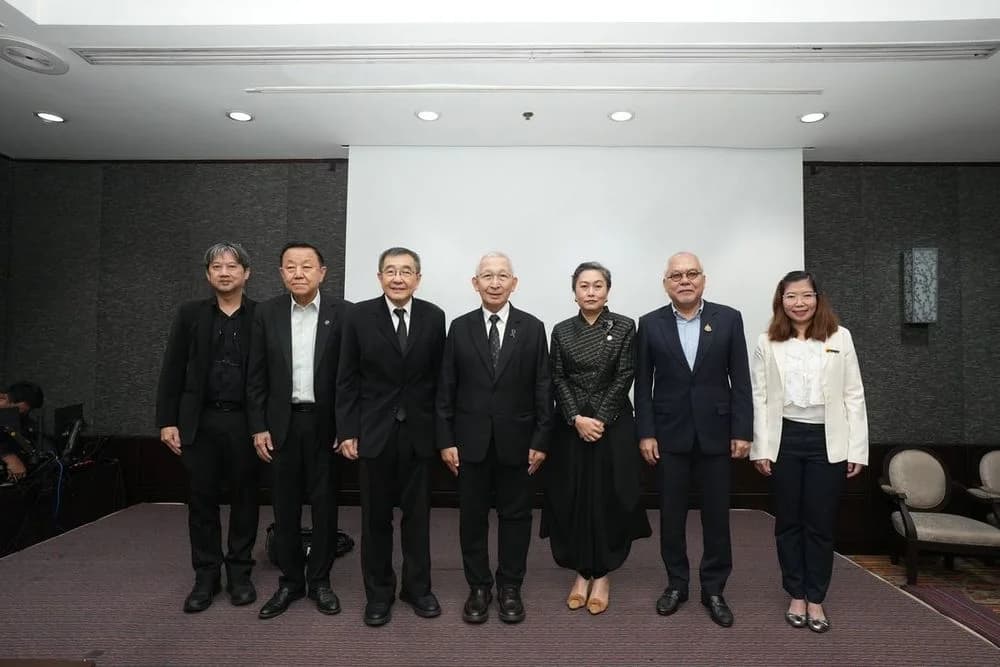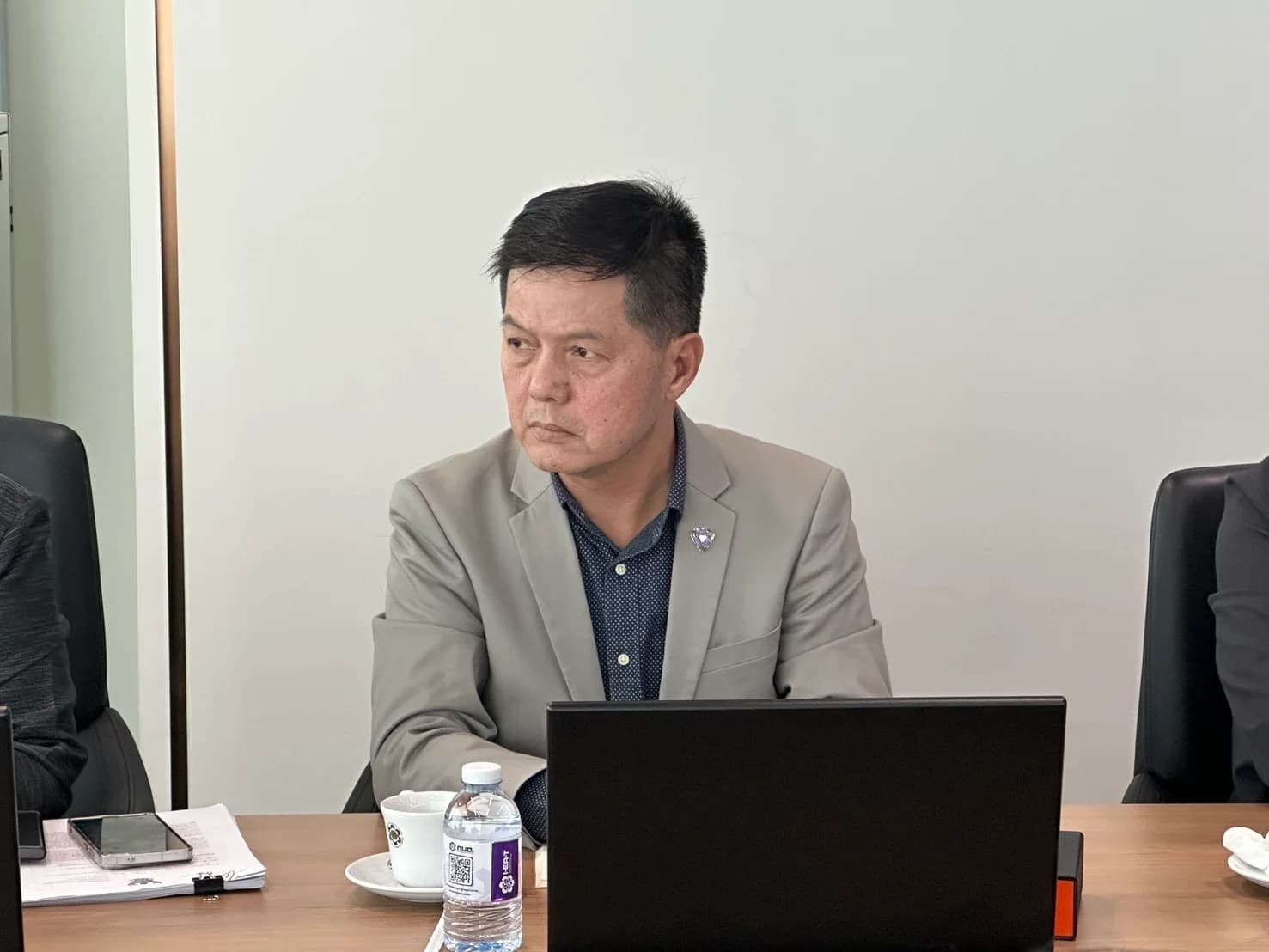

วันพุธที่ 12 พฤศจิกายน 2568 คณะกรรมการร่วมภาคเอกชน 3 สถาบัน (กกร.) ประกอบด้วยสภาหอการค้าแห่งประเทศไทย สภาอุตสาหกรรมแห่งประเทศไทย และสมาคมธนาคารไทย แถลงจุดยืนต่อร่างกฎหมายสำคัญ 3 ฉบับ ได้แก่ 1) ร่างพระราชบัญญัติคุ้มครองแรงงาน (ฉบับที่ ..) พ.ศ. … 2) ร่างพระราชบัญญัติบริหารจัดการเพื่ออากาศสะอาด พ.ศ. … และ 3) ร่างพระราชบัญญัติโรงงาน (ฉบับที่ ..) พ.ศ. … ซึ่ง กกร. ได้เรียกร้องให้มีการทบทวนกระบวนการออกกฎหมายอย่างรอบคอบ โดยเน้นย้ำว่า การออกกฎหมายใหม่ที่มีผลกระทบต่อเศรษฐกิจในวงกว้าง ควรยึดหลักความโปร่งใส เปิดรับฟังความคิดเห็นจากทุกภาคส่วน และจัดทำการประเมินผลกระทบของกฎหมาย (RIA) ตามหลักสากล เพื่อให้กฎหมายที่ประกาศใช้มีความสมดุลระหว่างการคุ้มครองแรงงาน สิ่งแวดล้อม และความสามารถในการแข่งขันของประเทศ ณ Activity Hall ชั้น 1 อาคารบรรเจิด ชลวิจารณ์ หอการค้าไทย (เสาชิงช้า) กรุงเทพฯ
ดร.พจน์ อร่ามวัฒนานนท์ ประธานกรรมการ สภาหอการค้าแห่งประเทศไทย ในฐานะประธานคณะกรรมการร่วมภาคเอกชน 3 สถาบัน (กกร) กล่าวว่า ตามที่ สภาผู้แทนราษฎร ได้เห็นชอบรับหลักการ ร่างพระราชบัญญัติคุ้มครองแรงงาน (ฉบับที่ ..) พ.ศ. …. ทั้ง 2 ฉบับ เมื่อวันที่ 24 กันยายน 2568 และอยู่ระหว่างเสนอสภาผู้แทนราษฎร 1 ฉบับ โดยมีการแก้ไขกฎหมาย อาทิ การกำหนดชั่วโมงการทำงานไม่เกินสัปดาห์ละ 40 ชั่วโมง การกำหนดวันหยุดประจำสัปดาห์ไม่น้อยกว่า 2 วัน และการเพิ่มสิทธิวันลาพักผ่อนประจำปี , การปรับปรุงสิทธิการลาหยุดเนื่องจากมีประจำเดือน การลาเพื่อดูแลบุคคล ในครอบครัว การจัดสถานที่และเวลาสำหรับการให้นมบุตรหรือน้ำนมบีบเก็บในสถานประกอบการ และการกำหนดให้เพิ่มบทนิยามคำว่า “การจ้างงานรายเดือน” เป็นการจ้างงานที่มีลักษณะ เป็นงานประจำและเต็มเวลา โดยลูกจ้างได้รับค่าจ้างเป็นรายเดือน และกำหนดให้คณะกรรมการค่าจ้างต้องปรับอัตราค่าจ้างขั้นต่ำเพิ่มทุกปี นั้น
คณะกรรมการร่วมภาคเอกชน 3 สถาบัน (กกร) ได้รับข้อร้องเรียนและความกังวลจากสมาชิกทั่วประเทศ ทั้งจากหอการค้าจังหวัดมากกว่า 70 จังหวัดทั่วประเทศ สภาอุตสาหกรรมจังหวัด กลุ่มอุตสาหกรรมต่างๆ สมาคมการค้ามากกว่า 90 สมาคม และหอการค้าต่างประเทศอีกจำนวนหนึ่งที่ไม่เห็นด้วยและคัดค้านกับร่างกฎหมายดังกล่าว โดยเฉพาะอย่างยิ่งร่างกฎหมายที่ขาดการประเมินผลกระทบกฎหมาย (Regulatory Impact Assessment RIA) อย่างรอบด้าน ซึ่งเป็นกระบวนการสำคัญในการพิจารณาความเหมาะสมและผลกระทบต่อภาคส่วนต่าง ๆ ทั้งนี้ ร่างกฎหมายดังกล่าวมีหลายมาตราที่อาจส่งผลกระทบต่อเศรษฐกิจโดยรวม และเพิ่มภาระต้นทุนการจ้างงานให้กับนายจ้างในภาวะเศรษฐกิจที่ยังผันผวน โดยเฉพาะผู้ประกอบการ SMEs ที่ต้องเผชิญต้นทุนที่สูงขึ้นจากการปรับข้อกำหนดของกฎหมายใหม่ นอกจากนี้ ยังอาจส่งผลให้เกิดการลดลงของความเชื่อมั่นจากนักลงทุนต่างประเทศ ซึ่งจะกระทบต่อความสามารถในการดึงดูดการลงทุนของประเทศไทยในภาพรวมอีกด้วย
ฉบับที่ 1 ร่าง พระราชบัญญัติคุ้มครองแรงงาน (ฉบับที่ ..) พ.ศ. …. ของ สส.จรัส คุ้มไข่น้ำ และคณะ โดยมีผลกระทบ 3 ด้าน ดังนี้
1) ความยืดหยุ่นทางการเงินของแรงงานไทยลดลง (Income Shock)
หากพิจารณาประเด็นการปรับกฎหมายคุ้มครองแรงงานใหม่ในส่วนการกำหนดชั่วโมงการทำงานไม่เกินสัปดาห์ละ 40 ชั่วโมง จาก 48 ชั่วโมงต่อสัปดาห์ จะผลักดันให้แรงงานที่พึ่งพาการทำงาน 48 ชั่วโมงบวก OT ในการใช้ชีวิตประจำวัน จับจ่ายใช้สอย และชำระหนี้ ต้องหันไปพึ่งสินเชื่อนอกระบบที่มีดอกเบี้ยสูงขึ้นอย่างหลีกเลี่ยงไม่ได้ นอกจากนี้กฎหมายที่เข้มงวดดังกล่าว จะนำไปสู่ความเหลื่อมล้ำในการบังคับใช้ โดยเฉพาะสถานประกอบการขนาดเล็ก หรือ SMEs รวมทั้งแรงงานในภาคเกษตร ภาคบริการ ร้านค้าปลีกและค้าส่ง ซึ่งจะเป็นกลุ่มที่จะลดการจ้างงาน จนไปสู่การจ้างงานนอกระบบหรือการจ้างงานผิดกฎหมายอย่างหลีกเลี่ยงไม่ได้
2) กำลังการผลิตของชาติลดลง
นโยบายลดชั่วโมงการทำงานที่ไม่มีกลไกที่ชัดเจนในการเพิ่มผลิตภาพแรงงาน จะทำให้เกิดความเสี่ยงที่ผลิตภาพมวลรวมของประเทศลดลงหรือเลวร้ายลงโดยเฉพาะอย่างยิ่งผลกระทบต่อขีดความสามารถในการแข่งขันของประเทศ โดยจะพบว่าผลิตภาพแรงงานไทยหดตัวเฉลี่ย -0.6% ต่อปี ในขณะที่แรงงานกว่า 60% ขาดทักษะพื้นฐานที่จะทำงานเสริมในด้านอื่นๆ เนื่องจากรายได้ที่หายไปจากการลดเวลาทำงาน 16.7% ทั้งนี้การลดชั่วโมงเวลาทำงานดังกล่าวไม่ได้เพิ่มผลิตภาพการผลิต แต่ทำให้ต้นทุนแรงงานต่อหน่วยสูงขึ้น กระทบต่อภาคการผลิตและการส่งออกโดยรวมของประเทศ
3) ระบบการจ้างงานซึ่งไม่เกิดผลดีต่อลูกจ้าง กล่าวคือจะเกิดการจ้างงานนอกระบบ หรือการจ้างงานแบบกำหนดระยะเวลาหรือการจ้างงานแบบจ้างทำของ โดยจะส่งผลกระทบต่อโครงสร้างกำลังแรงงานในระบบ อาทิ แรงงานจะถูกผลักเข้าสู่ GIG Economy (การทำงานแบบอิสระ) ซึ่งแรงงานกลุ่มนี้มักขาดหลักประกัน และผลประโยชน์ของพนักงาน ซึ่งแรงงานจะต้องรับผิดชอบค่าใช้จ่ายในการดำเนินการทั้งหมด สะท้อนแรงงานจำนวนมากจะเข้าสู่วงจรหนี้และการกู้ยืมเพื่อเข้าสู่อาชีพ ได้แก่ ซื้อยานพาหนะ อุปกรณ์ หรือค่าใช้จ่ายอื่นๆ ที่ถือว่าเป็นการก่อหนี้เพื่อการผลิต (Debt of Production) ที่เปราะบางมากที่สุด
ฉบับที่ 2 ร่าง พระราชบัญญัติคุ้มครองแรงงาน (ฉบับที่ ..) พ.ศ. …. ของ สส.วรรณวิภา ไม้สน และคณะ โดย กกร. คิดเห็นว่าการออกกฎหมายฉบับนี้เป็นการออกกฎหมายเกินความจำเป็น เนื่องจากกฎหมายคุ้มครองแรงงานในปัจจุบันเป็นกฎหมายที่ครอบคลุมและดูแลลูกจ้างดีแล้ว ทั้งในส่วนของพันธกรณีระหว่างประเทศของประเทศไทย การบัญญัติสิทธิลาพิเศษที่สำคัญสำหรับสตรีอาจจะถือเป็นการเลือกปฏิบัติภายใต้อนุสัญญาฉบับที่ 111 โดยถือเป็นเอกสิทธิ์ที่เกินกว่ามาตรการพิเศษเพื่อการคุ้มครองหรือความช่วยเหลือที่อนุสัญญาอนุญาตกำหนดไว้ และยังอาจถือว่าไม่สอดคล้องกับอนุสัญญาฉบับที่ 100 เนื่องจากส่งผลให้เกิดความไม่เท่าเทียม ความเสมอภาคและเป็นธรรมระหว่างลูกจ้างชายและหญิง ดังนั้นควรให้เป็นไปตามข้อตกลงระหว่างนายจ้างและลูกจ้างตามหลักของกฎหมายแรงงานสัมพันธ์แนะนำเป็นกรณีไป
ทั้งนี้ในส่วนการให้ลูกจ้างมีสิทธิลาไปดูแลบุคคลในครอบครัว หรือบุคคลอื่นใดที่มีความสัมพันธ์ใกล้ชิด ที่พำนักอยู่ในโรงพยาบาลในฐานะผู้ป่วยใน หรือผู้ป่วยที่มีความต้องการการดูแลทางร่างกายและจิตใจ ปีละไม่เกิน 15 วันทำงานนั้น กกร. เห็นควรระบุให้ชัดเจนว่าเป็นใครบ้าง เพราะบุคคลในครอบครัวหรือบุคคลอื่นใดที่มีความสัมพันธ์ใกล้ชิด เป็นถ้อยคำที่กว้างเกินไปทำให้เกิดปัญหาในทางปฏิบัติได้ ถ้อยคำที่สมควรใช้ต้องชัดเจนและแน่นอน เช่น บิดา มารดา บุตร สามี หรือภริยา เช่นเดียวกับถ้อยคำที่บัญญัติไว้ในประมวลกฎหมายอาญา มาตรา 193
อีกทั้งการกำหนดให้มีรายละเอียดให้นายจ้างจัดพื้นที่ให้นมบุตรหรือบีบเก็บน้ำนม และกำหนดให้ลูกจ้างพักให้นมบุตรหรือบีบเก็บน้ำนมไม่น้อยกว่าสองครั้ง ครั้งละสามสิบนาที ในช่วงเวลาแปดชั่วโมงของการทำงาน ตลอดระยะเวลาอย่างน้อยหนึ่งปีหลังคลอด โดย กกร. เห็นว่าปัจจุบันผู้ประกอบการได้เข้าร่วมโครงการจัดตั้งมุมนมแม่ ของกระทรวงสาธารณสุขเป็นจำนวนมาก ดังนั้นควรส่งเสริมความร่วมมือมากกว่า การออกกฎหมายบังคับและการออกกฎหมายเกินจำเป็น โดยเฉพาะผู้ประกอบการ SMEs ในกลุ่มแรงงานในภาคเกษตร ภาคบริการ ร้านค้าปลีกและค้าส่ง ไม่สามารถปฏิบัติได้ เป็นต้น
ฉบับที่ 3 ร่าง พระราชบัญญัติคุ้มครองแรงงาน (ฉบับที่ ..) พ.ศ. …. ของ สส.เซีย จำปาทอง และคณะ โดย กกร. เห็นว่า การกำหนดให้เพิ่มบทนิยามคำว่า “การจ้างงานรายเดือน” เป็นการจ้างงานที่มีลักษณะเป็นงานประจำและเต็มเวลา โดยลูกจ้างได้รับค่าจ้างเป็นรายเดือน เป็นการกระทบต่อสิทธิและเสรีภาพของบุคคลในการทำสัญญาเกินความจำเป็น และขัดต่อหลักเสรีภาพในการทำสัญญา
อีกทั้งการกำหนดให้คณะกรรมการค่าจ้างต้องปรับอัตราค่าจ้างขั้นต่ำเพิ่มทุกปี โดย กกร. เห็นว่าการปรับอัตราจ้างขั้นต่ำย่อมขึ้นอยู่กับตัวเลขทางเศรษฐกิจที่สะท้อนให้เห็นถึง ความสามารถในการจ่ายของนายจ้างและค่าครองชีพของลูกจ้างตามที่บัญญัติไว้แล้วในกฎหมายปัจจุบันโดยให้ความสำคัญกับคณะกรรมการค่าจ้างฯ คณะกรรมการไตรภาคีจังหวัดและมาตรา 87 แห่ง พ.ร.บ.คุ้มครองแรงงาน พ.ศ.2541 เป็นต้น
ดร.พจน์ฯ กล่าวเพิ่มเติมว่า คณะกรรมการ กกร. สนับสนุนการยกระดับคุณภาพชีวิตแรงงานตามหลักสากลหรือองค์การแรงงานระหว่างประเทศ (ILO) ทั้งในด้านชั่วโมงการทำงานที่เหมาะสม สิทธิการลา การคุ้มครองศักดิ์ศรีความเป็นมนุษย์ และสนับสนุนการกลไกแรงงานสัมพันธ์ภายในองค์กรในการกำหนดแนวทางที่เหมาะสม เพื่อประเมินผลกระทบเชิงปริมาณและจัดทำมาตรการรองรับอย่างรอบคอบ สุดท้ายนี้ ขอย้ำให้เห็นว่า กระบวนการจัดทำร่างกฎหมายที่เกี่ยวข้องกับคนจำนวนมาก หรือกฎหมายมหาชน ควรมีการรับฟังความคิดเห็นและวิเคราะห์ผลกระทบจากผู้มีส่วนได้ส่วนเสียอย่างรอบด้าน ซึ่งในกรณีนี้ ยังขาดข้อมูลที่เพียงพอและอาจส่งผลต่อกลุ่มที่เกี่ยวข้องโดยตรง
ดังนั้น กกร. จึงขอคัดค้านร่างพระราชบัญญัติคุ้มครองแรงงานฉบับใหม่ ทั้ง 3 ฉบับ ที่ไม่สอดรับกับข้อกำหนดองค์การแรงงานระหว่างประเทศ (ILO) ไม่สามารถปฏิบัติได้จริง ขาดการรับฟังความคิดเห็นจากผู้มีส่วนได้ส่วนเสียอย่างรอบด้าน และเห็นควรให้มีการทำประชาพิจารณ์ใหม่อย่างรอบด้านทั้งให้มีตัวแทน สภาอุตสาหกรรมจังหวัด หอการค้าจังหวัด องค์กรนายจ้าง องค์กรลูกจ้าง (ไตรภาคี) ทุกภาคส่วนที่เกี่ยวข้อง โดยให้กระทรวงแรงงาน กรมสวัสดิการและคุ้มครองแรงงาน เป็นตัวกลางในการดำเนินการดังกล่าว
ในส่วนของร่างพระราชบัญญัติบริหารจัดการเพื่ออากาศสะอาด พ.ศ. …
นายเกรียงไกร เธียรนุกุล ประธานสภาอุตสาหกรรมแห่งประเทศไทย ได้กล่าวถึงจุดยืนของ คณะกรรมการร่วมภาคเอกชน 3 สถาบัน (กกร.) ว่า เห็นด้วยในหลักการและบางมาตรการ แต่ควรปรับให้ชัดเจนและไม่ซ้ำซ้อนกฎหมายเดิม
กกร. ตระหนักกับปัญหามลพิษทางอากาศเป็นอย่างยิ่งและเห็นด้วยกับเจตนารมณ์ของร่างกฎหมายที่มุ่งยกระดับคุณภาพสิ่งแวดล้อมและลดปัญหาฝุ่นละออง PM2.5 แต่มีข้อกังวลเรื่องความซ้ำซ้อนกับกฎหมายเดิม เช่น พ.ร.บ. ส่งเสริมและรักษาคุณภาพสิ่งแวดล้อม พ.ศ. 2535 และ พ.ร.บ. โรงงาน พ.ศ. 2535 รวมถึงกฎหมายเฉพาะของหน่วยงานที่มีอำนาจกำกับดูแลมลพิษทางอากาศอยู่แล้ว ซึ่งอาจสร้างความซ้ำซ้อนด้านอำนาจหน้าที่ และเพิ่มต้นทุนต่อภาคธุรกิจโดยไม่จำเป็น
ดังนั้น กกร. จึงขอเสนอประเด็นสำคัญที่ควรทบทวน เพื่อให้กฎหมายฉบับนี้เกิดผลในทางปฏิบัติได้จริง ดังนี้
1. โครงสร้างคณะกรรมการและการมีส่วนร่วมของภาคเอกชน กกร. เสนอให้มีผู้แทนภาคเอกชน โดยเฉพาะผู้แทนจากสภาหอการค้าแห่งประเทศไทย สภาอุตสาหกรรมแห่งประเทศไทย และสมาคมธนาคารไทย เข้าร่วมเป็นส่วนหนึ่งของคณะกรรมการและองค์กรที่กำกับนโยบายบริหารจัดการอากาศสะอาด ทั้งในระดับชาติและระดับจังหวัด ตามหลัก “การมีส่วนร่วมของผู้ถูกบังคับใช้กฎหมาย” เพื่อสะท้อนข้อมูลจากภาคการผลิต บริการ การเงิน และภาคเศรษฐกิจจริง ซึ่งช่วยให้การกำหนดนโยบายมีความสมดุล รอบด้าน และนำไปสู่มาตรการที่สามารถปฏิบัติได้จริง
2. เครื่องมือทางเศรษฐศาสตร์ กกร. เห็นว่า “เครื่องมือทางเศรษฐศาสตร์” ในร่างพระราชบัญญัติบริหารจัดการเพื่ออากาศสะอาด พ.ศ.... อาจทับซ้อนกับกฎหมายที่ใช้อยู่ในปัจจุบัน อาทิ เชื้อเพลิงส่งเงินส่งกองทุนน้ำมันเชื้อเพลิง 1-5 บาท/ลิตร ภาษีสรรพสามิต 5-6 บาท/ลิตร และส่งผลต่อต้นทุนทุกภาคส่วน การแก้ปัญหามลพิษ จึงควรมุ่งเน้นมาตรการสนับสนุนและจูงใจทางภาษีหรือการเงินในการปรับปรุงคุณภาพการผลิตที่ลดมลพิษ เพื่อช่วยให้ทุกภาคส่วนปรับตัว แทนที่จะเก็บค่าธรรมเนียมอากาศสะอาดตั้งแต่หน่วยแรกที่ปล่อย หรือออกมาตรการทางเศรษฐศาสตร์ทันที
3. การจัดตั้งกองทุนอากาศสะอาด กองทุนมีวัตถุประสงค์ครอบคลุมถึง 17 ข้อ แต่ยังไม่มีลำดับความสำคัญหรือสัดส่วนการใช้เงินอย่างชัดเจนในการแก้ปัญหามลพิษ และไม่ได้ผ่านขั้นตอนพิจารณาจากคณะกรรมการนโยบายการบริหารทุนหมุนเวียนตามที่ควรจะเป็น จึงมีความกังวลว่าอาจไม่สามารถจัดตั้งกองทุนได้จริงในทางปฏิบัติ
4. อัตราโทษและบทกำหนดโทษ กกร. สนับสนุนการบังคับใช้กฎหมายอย่างจริงจังต่อผู้ฝ่าฝืน แต่ร่างกฎหมายฯ ฉบับนี้มีการกำหนดอัตราโทษสูงกว่าฉบับอื่น ๆ ที่สภาผู้แทนราษฎรเคยรับหลักการทั้งโทษแพ่งและโทษอาญา อาทิ การกำหนดโทษทางอาญา แม้ว่าจะเกิดจากความประมาท จำคุกไม่เกิน 2 ปีหรือปรับไม่เกิน 50 ล้านบาท หรือทั้งจำทั้งปรับ และหากไม่ปฏิบัติตามคำสั่งเจ้าพนักงานอากาศสะอาดต้องระวางโทษจำคุกไม่เกิน 5 ปี หรือปรับไม่เกินร้อยล้านบาท หรือทั้งจำทั้งปรับ ซึ่งอาจส่งผลกระทบต่อบรรยากาศการลงทุน โดยเฉพาะในกรณีการกระทำโดยประมาท ซึ่งอาจไม่สอดคล้องกับหลักรัฐธรรมนูญมาตรา 77 ที่ให้กำหนดโทษอาญาเฉพาะความผิดร้ายแรง กกร. จึงเสนอให้ทบทวนระดับโทษให้สมดุลกับมาตรฐานสากล และควรมีระยะเวลาการปรับตัวสำหรับภาคธุรกิจ ภาคอุตสาหกรรมเพื่อให้สามารถปฏิบัติตามกฎหมายได้จริง
กกร. เห็นว่าการมีกฎหมายเพื่ออากาศสะอาดเป็นสิ่งจำเป็น แต่ต้องยึดหลัก ไม่ซ้ำซ้อน ไม่เพิ่มภาระและสร้างสมดุลระหว่างสิ่งแวดล้อมกับความสามารถในการแข่งขันของประเทศ เพื่อให้ประเทศไทยเดินหน้าสู่การพัฒนาอย่างยั่งยืน ทั้งในมิติสิ่งแวดล้อม เศรษฐกิจ และความเชื่อมั่นของนักลงทุน
ดังนั้น กกร. เห็นว่าเป็นสิ่งจำเป็นที่ต้องจัดทำการประเมินผลกระทบของกฎหมาย (RIA) ตามมาตรฐานสากล ที่สามารถวัดผลได้ สำหรับกฎหมายที่จะส่งผลกระทบต่อภาคธุรกิจ โดยหน่วยงานกลางที่มีความเป็นอิสระและน่าเชื่อถือ
-----------------------
สำหรับ ร่างพระราชบัญญัติโรงงาน (ฉบับที่ ..) พ.ศ. … นายเกรียงไกร เธียรนุกุล ได้กล่าวถึง ดังนี้
กกร. เข้าใจถึงข้อกังวลเกี่ยวกับการแก้ไขกฎหมายโรงงานในประเด็นปัญหาต่างๆ เช่น โรงงานที่ส่งผลกระทบต่อชุมชนและสิ่งแวดล้อมตามที่เป็นข่าวในช่วงที่ผ่านมา อีกทั้ง กกร. ยังสนับสนุนให้มีการยกระดับมาตรฐานโรงงานอุตสาหกรรม
อย่างไรก็ตาม กกร. มีความกังวลเป็นอย่างยิ่งต่อร่างพระราชบัญญัติโรงงาน (ฉบับที่ ...) พ.ศ. .... ซึ่งอยู่ระหว่างการพิจารณาของรัฐสภาขณะนี้ เนื่องจากประเด็นที่มีการเสนอแก้ไขในหลายประเด็น ส่งผลกระทบรุนแรงต่อภาคอุตสาหกรรมไทย ลดขีดความสามารถในการแข่งขัน กระทบต่อความเชื่อมั่นของนักลงทุน โดยมีข้อกังวลหลายประการ ดังนี้
1. การรื้อฟื้นระบบใบอนุญาตโรงงานแบบมีอายุ ขัดกับหลัก Ease of Doing Business
กกร. ไม่เห็นด้วยต่อแนวทางการนำระบบใบอนุญาตแบบมีอายุกลับมาใช้ เนื่องจากระบบดังกล่าวเคยสร้างปัญหาในอดีต ทั้งขั้นตอนการขออนุญาตที่ซับซ้อน ความล่าช้า ภาระด้านเอกสารเกินจำเป็น และเปิดช่องให้เกิดการทุจริตซึ่งขัดต่อหลักการบริหารภาครัฐสมัยใหม่และแนวนโยบาย B-Ready (Ease of Doing Business) ที่รัฐบาลจะไม่สร้างอุปสรรคในการเข้าสู่ตลาดของผู้ประกอบธุรกิจโดยไม่จำเป็น และเป็นหลักการที่รัฐประกาศส่งเสริมมาอย่างต่อเนื่อง รวมทั้งยังส่งผลต่อคะแนนการประเมินด้านการเข้าสู่ธุรกิจ (Business Entry) ในปี 2569
การนำระบบใบอนุญาตกลับมาใช้ โดยมุ่งหวังว่าจะช่วยในการตรวจสอบคัดกรองโรงงานที่มีปัญหา เป็นการแก้ไขที่ไม่ถูกจุด เนื่องจากตามกฎหมายปัจจุบัน ภาครัฐมีอำนาจในการเข้าตรวจโรงงานได้อยู่แล้ว ในกรณีที่มีข้อสงสัยว่าโรงงานไม่ได้ดำเนินการอย่างถูกต้องตามกฎหมาย การรื้อฟื้นระบบการขออนุญาต จึงไม่จำเป็น และในทางกลับกันจะสร้าง “ความไม่แน่นอนทางธุรกิจ” อย่างมีนัยสำคัญ โดยเฉพาะเมื่อใบอนุญาตใกล้หมดอายุ อาจทำให้สถาบันการเงินและคู่ค้าอาจชะลอการพิจารณาเครดิตหรือการลงทุน อีกทั้งยังอาจเป็นช่องทางให้เกิดการทุจริตคอร์รัปชั่นได้ง่าย
2. การเพิ่มประเภท “โรงงานควบคุมพิเศษ” ควรจำกัดเฉพาะโรงงานที่มีความเสี่ยงสูงเท่านั้น
กกร. ไม่ขัดข้องต่อแนวความคิดในการกำหนดมาตรการพิเศษที่เข้มงวดขึ้น เพื่อใช้บังคับกับโรงงานที่มีความเสี่ยงสูง แต่การใช้มาตรการดังกล่าว จะต้องจำกัดขอบเขตเฉพาะกับโรงงานควบคุมพิเศษประเภทที่เกี่ยวข้องกับของเสียอันตราย หรือที่มีความเสี่ยงเฉพาะด้านเท่านั้น หากเปิดกว้างให้เป็นดุลยพินิจของผู้บังคับใช้กฎหมายในการออกกฎกระทรวงหรือประกาศเพิ่มเติมตามความจำเป็น อาจจะส่งผลให้ในอนาคต โรงงานทั่วไปที่ไม่ได้สร้างปัญหา อาจจะต้องตกอยู่ภายใต้การควบคุมที่เข้มงวดจนเกินความจำเป็น ซึ่งเป็นอุปสรรคในการประกอบธุรกิจ
3. การเพิ่มโทษอาญาต้องเป็นไปตามหลักการที่ชัดเจน
กกร. เห็นว่า การเพิ่มอัตราโทษหรือเปลี่ยนประเภทของโทษ โดยเฉพาะการเปลี่ยนโทษปรับเป็นโทษจำคุก ต้องมีข้อมูลเชิงประจักษ์รองรับว่าการบังคับโทษในปัจจุบันไม่สามารถแก้ปัญหาในปัจจุบันได้ และต้องอยู่บนหลักความได้สัดส่วน (Proportionality) และต้องใช้อย่างจำกัด เพื่อไม่ให้เป็นการละเมิดสิทธิขั้นพื้นฐานของผู้ประกอบการ
การเพิ่มโทษโดยไม่มีข้อมูลรองรับ นอกจากจะละเมิดสิทธิขั้นพื้นฐานของผู้ประกอบการ ยังทำลายความเชื่อมั่นของนักลงทุนทั้งไทยและต่างประเทศ
4. การเปิดให้ประชาชนเข้าสังเกตการณ์โรงงาน มีข้อกังวลด้านความขัดแย้งและการละเมิดความลับทางการค้า
กกร. สนับสนุนหลักการมีส่วนร่วมของประชาชน แต่การเปิดให้ประชาชนเข้าสังเกตการณ์ภายในโรงงานโดยตรงนั้นไม่เหมาะสมในทางปฏิบัติ เพราะอาจกระทบต่อความลับทางการค้าและข้อมูลทางธุรกิจ รวมถึงอาจเกิดความขัดแย้งระหว่างประชาชนกับผู้ประกอบการโดยไม่จำเป็น
กกร. เห็นว่า ควรให้ภาครัฐทำหน้าที่เป็นคนกลางในการตรวจสอบ และสื่อสารให้ข้อมูลกับประชาชนอย่างโปร่งใส อย่างไรก็ตาม หากจำเป็นต้องให้ประชาชนมีส่วนร่วม ควรกำหนดคุณสมบัติผู้เข้าสังเกตการณ์และมาตรการคุ้มครองข้อมูลความลับทางการค้าและข้อมูลทางธุรกิจอย่างรัดกุมและชัดเจน
5. การให้โรงงานควบคุมพิเศษทำประกันภัย มีข้อกังวลด้านความพร้อมของตลาดประกันภัยในประเทศ
กกร. เห็นว่าตลาดประกันภัยในประเทศยังไม่พร้อมสำหรับการทำประกันในลักษณะนี้ ซึ่งส่งผลกระทบอย่างมีนัยสำคัญโดยเฉพาะกับ SMEs ที่ต้องซื้อประกันภัยจากต่างประเทศในราคาสูง ซึ่งจะเพิ่มภาระค่าใช้จ่ายและลดความสามารถในการแข่งขัน ภาครัฐจึงควรเร่งพัฒนาตลาดประกันภัยภายในประเทศให้มีความพร้อมก่อนเริ่มบังคับใช้
6. การแก้ปัญหาควรมุ่งที่การบังคับใช้กฎหมาย ไม่ใช่เพิ่มภาระใหม่ให้ภาคธุรกิจ
กกร. ขอเรียนว่าโรงงานส่วนใหญ่ในประเทศเป็นโรงงานที่มีมาตรฐานการดำเนินงานและปฏิบัติตามกฎหมายอย่างเคร่งครัด กกร. เห็นด้วยกับการดำเนินมาตรการกับโรงงานที่ฝ่าฝืนกฎหมายหรือก่อปัญหา แต่เห็นว่าไม่ควรกำหนดมาตรการใหม่ที่เป็นการเพิ่มภาระหรือสร้างอุปสรรคต่อโรงงานที่ปฏิบัติตามกฎหมายอยู่แล้ว
ปัญหาที่เกิดขึ้นจากโรงงาน ส่วนใหญ่ไม่ได้เกิดจากข้อบกพร่องของกฎหมาย แต่เกิดจากการบังคับกฎหมาย และการดำเนินการตามกลไกที่มีอยู่ยังไม่ครบถ้วน เช่น ระบบ Self-Declare ที่ยังไม่ถูกนำมาใช้ได้อย่างเต็มรูปแบบ ภาครัฐจึงควรมุ่งเน้นการพัฒนาระบบ Self-Declare ควบคู่กับการเพิ่มศักยภาพเจ้าหน้าที่ตรวจโรงงาน แทนที่จะเพิ่มขั้นตอนและภาระให้ภาคอุตสาหกรรม
กกร. ขอยืนยันว่าการปรับปรุงกฎหมายโรงงานควรยึดหลักความสมดุลระหว่างการกำกับดูแลกับการส่งเสริมความสามารถในการแข่งขันของประเทศ ไม่ใช่เพิ่มภาระให้ผู้ประกอบการภาครัฐและประชาชนโดยไม่จำเป็น และขอให้มีการจัดให้มีการรับฟังความคิดเห็นจากทุกภาคส่วนอย่างรอบด้าน และจัดทำการประเมินผลกระทบของกฎหมาย (RIA) โดยเฉพาะการวิเคราะห์ผลกระทบทางด้านเศรษฐศาสตร์ โดยการคำนวณต้นทุนและผลประโยชน์ (Cost and Benefit) อย่างจริงจัง เพื่อให้แน่ใจว่ากฎหมายใหม่นี้จะสามารถแก้ไขปัญหาได้ตรงจุด ไม่สร้างภาระเกินสมควร และไม่บั่นทอนความเชื่อมั่นในการลงทุนของประเทศเพื่อให้ประเทศไทยเดินหน้าได้อย่างมั่นคง ทั้งในมิติสิ่งแวดล้อม เศรษฐกิจ และความเชื่อมั่นของนักลงทุน
ในช่วงท้าย กกร. ได้กล่าวเรียกร้องให้มีการทบทวนกระบวนการออกกฎหมายอย่างรอบคอบ โดยเน้นย้ำว่า การออกกฎหมายใหม่ที่มีผลกระทบต่อเศรษฐกิจในวงกว้าง ควรยึดหลักความโปร่งใส เปิดรับฟังความคิดเห็นจากทุกภาคส่วน และจัดทำการประเมินผลกระทบของกฎหมาย (RIA) ตามหลักสากล เพื่อให้กฎหมายที่ประกาศใช้มีความสมดุลระหว่างการคุ้มครองแรงงาน สิ่งแวดล้อม และความสามารถในการแข่งขันของประเทศ
-------------------------------------------------
ที่มา : สำนักงานคณะกรรมการร่วมภาคเอกชน 3 สถาบัน (กกร.)
อีเมล์ : [email protected]
On Wednesday, November 12, 2025, the Joint Private Sector Committee of Three Institutions (JPCCI) comprised of the Thai Chamber of Commerce, the Federation of Thai Industries, and the Thai Bankers' Association declared its position on three important draft laws, namely: 1) Draft Labor Protection Act (No. ..) B.E. … 2) Draft Clean Air Management Act B.E. … and 3) Draft Factory Act (No. ..) B.E. … The JPCCI has called for a careful review of the legislative process, emphasizing that the promulgation of new laws affecting the economy at large should adhere to transparency principles, consider feedback from all sectors, and conduct a Regulatory Impact Assessment (RIA) according to international standards to ensure the laws enacted balance labor protection, environmental concerns, and the competitiveness of the country at large at the Activity Hall, 1st Floor, Banjerd Chalwej Convention Center, Thai Chamber of Commerce (Sao Chingcha), Bangkok.
Dr. Poon Ara, Chairman of the Thai Chamber of Commerce and Chairman of the Joint Private Sector Committee of Three Institutions (JPCCI), stated that the House of Representatives approved the principle of the Draft Labor Protection Act (No. ..) B.E. … for both bills on September 24, 2025, and is currently submitting one bill to the House of Representatives, which includes amendments such as defining working hours not exceeding 40 hours per week, setting a minimum of 2 days of weekly rest, increasing annual leave rights, improving menstrual leave and caregiving leave for family members, arranging time and place for breastfeeding or milk storage at workplaces, and defining the term “monthly employment” as a regular full-time employment with monthly wages while mandating the Wage Committee to adjust minimum wage rates annually.
The Joint Private Sector Committee of Three Institutions (JPCCI) has received complaints and concerns from members across the country, including over 70 provincial chambers of commerce, industrial councils, various industrial groups, more than 90 trade associations, and several foreign chambers of commerce opposing and expressing reservations about the aforementioned draft laws, particularly due to the lack of comprehensive Regulatory Impact Assessments (RIA), which is a crucial process for evaluating the appropriateness and impacts on various sectors. Given that the draft laws contain several provisions that could impact the overall economy and increase the cost burden of employment on employers during a still volatile economic climate, particularly for SMEs, which would face higher costs due to new regulatory requirements. Moreover, it could result in decreased confidence from foreign investors, impacting Thailand's overall ability to attract investment.
Draft 1: The Draft Labor Protection Act (No. ..) B.E. … by MP Jaras Kumkhaen and his team, which has three impacts:
1) Reduced financial flexibility for Thai workers (Income Shock)
If we consider the issue of revising the labor protection laws regarding the new regulation setting maximum working hours at 40 per week instead of 48 hours, this will drive workers who depend on working 48 hours plus overtime to meet their daily living expenses and debt obligations into using high-interest loan services. Furthermore, such strict laws will lead to inequity in enforcement, particularly among small establishments or SMEs, as well as workers in agriculture, services, retail, and wholesale sectors, which will ultimately lead to decreased hiring and an unavoidable shift towards informal employment or illegal hiring.
2) Reduced national productivity
Policies to reduce working hours without clear mechanisms to enhance labor productivity will entail risks of declining overall productivity in the country, worsening the nation’s competitiveness. It is projected that Thai labor productivity will contract by an average of -0.6% per year, while over 60% of workers lack basic skills to take on supplemental jobs due to lost income stemming from reduced working hours by 16.7%. This reduction in working hours does not enhance production efficiency but rather increases labor costs per unit, negatively impacting the overall production and export sectors of the country.
3) An employment system that is not beneficial for employees will culminate in informal employment or time-limited contracts, impacting the structural workforce such that workers will be driven into the GIG economy (freelance work), where they often lack guarantees and employee benefits, leading them to bear all operational costs. This reflects that many workers will fall into debt cycles and loans to engage in employment, including purchasing transportation or equipment or other expenses seen as debt for production (Debt of Production) that is exceedingly fragile.
Draft 2: The Draft Labor Protection Act (No. ..) B.E. … by MP Wanwipa Maisun and her team, in which JPCCI believes that passing this law is unnecessary, given that current labor protection laws are comprehensive and adequately safeguard employees. The inclusion of specific leave rights for women may be deemed discriminatory under Convention No. 111, as it may constitute privileges beyond what special measures for protection or assistance allow according to the convention. It might also be inconsistent with Convention No. 100, resulting in inequality and fairness issues between male and female employees. Accordingly, these matters should be determined based on agreements between employers and employees as per labor relations law principles on a case-by-case basis.
Furthermore, regarding allowing employees leave to care for family members or individuals with close relationships who are patients in hospitals for up to 15 working days per year, JPCCI suggests defining exactly who qualifies, as the broad terminology of “family members or individuals with close relationships” may create implementation issues. Clear and specific terminology should be employed, such as father, mother, child, husband, or wife, in line with the definitions cited in Section 193 of the Penal Code.
Moreover, specifying employer obligations to establish breastfeeding or milk storage facilities and the requirement that employees take breaks for breastfeeding or milk extraction at least twice for 30 minutes within an eight-hour workday over a period of at least one year after childbirth. JPCCI believes that currently, many operators have participated in the Ministry of Public Health's program to establish breastfeeding corners. Therefore, enhancing cooperation and support would be preferred over enforcing unnecessary binding legislative measures, especially as SMEs in agriculture, services, and retail sectors may not be able to comply.
Draft 3: The Draft Labor Protection Act (No. ..) B.E. … by MP Sia Champathong and his team, whereby JPCCI observes that defining the term “monthly employment” as employment characterized as regular and full-time, with employees receiving monthly wages, is an infringement on individual rights and freedoms in contract formation beyond necessity and contravenes contractual freedom principles.
Additionally, the stipulation that the Wage Committee must increase the minimum wage rate annually is seen by JPCCI as inappropriate, as adjustments to the minimum wage rate should depend on economic indicators reflecting employers’ payment capabilities and workers’ living costs, as already stipulated in existing legislation, while prioritizing the Wage Committee, provincial tripartite committees, and Section 87 of the Labor Protection Act B.E. 2541, etc.
Dr. Poon added that the JPCCI supports the improvement of workers’ quality of life according to international standards or International Labour Organization (ILO) principles regarding appropriate working hours, leave rights, dignity protection, and encourages labor relations mechanisms within organizations to determine suitable approaches to conduct quantitative impact assessments and develop thorough mitigating measures. Finally, it must be emphasized that the drafting process for laws affecting a significant number of people, or public laws, should involve listening to feedback and analyzing impacts from stakeholders comprehensively, as there is currently a lack of sufficient information that could negatively impact relevant groups directly.
Therefore, JPCCI opposes the new drafts of the Labor Protection Act, all three of which do not align with the International Labour Organization (ILO) standards, are not practical for implementation, lack comprehensive public feedback from stakeholders, and should be subject to a new comprehensive public consultation with representatives from provincial industrial councils, provincial chambers of commerce, employer organizations, and labor organizations (tripartite) from all relevant sectors, with the Ministry of Labour and the Department of Labor Protection and Welfare acting as a mediator in conducting such proceedings.
Regarding the Draft Clean Air Management Act B.E. …
Mr. Kriangkrai Thiennukul, Chairman of the Federation of Thai Industries, addressed the position of the Joint Private Sector Committee of Three Institutions (JPCCI), indicating support for the principle and certain measures, but clarity and non-redundancy with existing laws are necessary.
JPCCI is acutely aware of air pollution issues and supports the intentions of the draft law aimed at enhancing environmental quality and reducing PM2.5 dust problems. However, there are concerns regarding redundancy with existing laws, such as the Promotion and Preservation of Environmental Quality Act B.E. 2535 and the Factory Act B.E. 2535, as well as specific laws of agencies already authorized to oversee air pollution, which could create overlapping authority and unnecessarily increase costs for businesses.
Therefore, JPCCI proposes essential issues for review to ensure the implementation of this draft law is practical, including:
1. Structure of committees and participation by the private sector; JPCCI proposes including private sector representatives, especially from the Thai Chamber of Commerce, the Federation of Thai Industries, and the Thai Bankers' Association, in the committee and organizations overseeing clean air management policies at both national and provincial levels, according to the principle of 'involvement of those subject to the law', which would reflect data from production, service, finance, and actual economic sectors to ensure balanced policy-making leading to feasible measures.
2. Economic instruments; JPCCI believes that the “economic instruments” in the Draft Clean Air Management Act B.E. ... may overlap with existing laws, such as fuel funds, excise taxes, and will impact costs across all sectors. Solutions to pollution issues should focus on supportive and incentivizing measures to improve production quality to reduce pollution rather than imposing clean air fees from the first unit emitted or immediately introducing economic measures.
3. Establishment of a Clean Air Fund; the fund's objectives cover 17 issues but currently lacks clear prioritization or allocation for addressing pollution issues, and has not undergone necessary procedural review by the revolving fund policy committee as it should. There are concerns about the feasibility of establishing the fund practically.
4. Penalties and penalty stipulations; JPCCI supports strict law enforcement against violators, but the proposed draft law stipulates higher penalty rates than previous laws endorsed by the House of Representatives regarding both civil and criminal penalties, such as a criminal penalty of up to 2 years imprisonment or a fine not exceeding 50 million baht, or both, and failure to comply with clean air authority orders facing imprisonment of up to 5 years or a fine up to 100 million baht, or both, which may negatively affect the investment climate, particularly for negligent actions, which may not comply with the constitutional principle in Section 77 that only allows criminal penalties for serious offenses. Therefore, JPCCI proposes revisiting penalty levels to align with international standards and allowing a grace period for businesses and industry sectors to comply with the law.
JPCCI believes that having laws for clean air is necessary but must adhere to principles of non-redundancy, not increasing burdens, and creating a balance between environmental concerns and national competitiveness to guide Thailand towards sustainable development in environmental, economic, and investor confidence dimensions.
Thus, JPCCI finds it essential to conduct a Regulatory Impact Assessment (RIA) according to international standards capable of measurable effects for laws affecting the business sector by an independent and credible central agency.
-----------------------
Concerning the Draft Factory Act (No. ..) B.E. …, Mr. Kriangkrai Thiennukul stated as follows:
JPCCI understands the concerns regarding the revision of factory laws on various issues, such as factories affecting communities and environments as reported recently, and moreover, JPCCI supports elevating industrial factory standards.
However, JPCCI is exceedingly concerned about the Draft Factory Act (No. ..) B.E. ... currently under consideration by Parliament, due to proposed amendments on several issues that could severely impact the Thai industrial sector, reduce competitiveness, and affect investor confidence, with several concerns as follows:
1. The reinstatement of the temporary license system conflicts with the principle of Ease of Doing Business;
JPCCI opposes the approach of reintroducing a temporary licensing system, as this system previously created issues related to complicated licensing procedures, delays, excessive paperwork, and opened avenues for corruption that contradict modern public administration principles and the B-Ready policy (Ease of Doing Business) that the government declared to avoid creating unnecessary barriers to business market entry, which continuously undermines the country’s ratings for Business Entry assessments in 2026.
Reinstating the licensing system aiming to facilitate the scrutiny of problematic factories addresses the wrong point, as the current law already empowers the government to inspect factories in cases of discrepancies with legal operations. Thus, reviving the licensing process is unnecessary and may create significant “business uncertainty”, especially when licenses are nearing expiration, potentially leading financial institutions and partners to hesitate in credit assessments or investments, and could also open pathways for corruption.
2. The increase in types of “Special Control Factories” should be limited to those with high risks only;
JPCCI does not disagree with the concept of establishing stricter measures for factories with high risks, but these measures should only apply to specific hazardous waste control factories or those with specialized risk; should the scope be too broad, it could lead to general factories not causing issues being subject to overly stringent controls, which would hinder business operations.
3. Increased criminal penalties must adhere to clear principles;
JPCCI observes that increasing penalty rates or altering penalty types, particularly shifting fines to imprisonment, must be substantiated with empirical data demonstrating that current penalty enforcement cannot address present issues and must adhere to proportional principles (Proportionality) and must be applied conservatively, to avoid infringing on operators' fundamental rights.
Imposing penalties without supporting data not only violates operators' fundamental rights but also undermines the confidence of both Thai and foreign investors,
4. Allowing the public to observe factory operations raises concerns about conflicts and trade secret violations;
JPCCI endorses public participation principles, but permitting direct public observation of factory operations is impractical, as it could compromise trade secrets and business data, moreover, unnecessary conflicts could arise between the public and operators.
JPCCI believes that the government should act as a mediator for inspections and transparently communicate information to the public; hence, if public participation is necessary, qualifications for observers and stringent measures for protecting trade secrets and business data should be firmly and clearly defined.
5. Requiring special control factories to obtain insurance raises concerns about the insurance market's readiness in the country;
JPCCI observes that the insurance market in the country is not yet equipped for such insurance types, which significantly impacts particularly SMEs that need to acquire insurance from foreign markets at high prices, thereby increasing costs and reducing competitiveness; the state should expedite internal market insurance development to align before enforcing requirements.
6. Issue resolution should focus on law enforcement, not adding new burdens to businesses;
JPCCI asserts that most factories in the country adhere to operational standards and comply with laws stringently. While supporting measures against factories violating laws or causing problems, it is inappropriate to create new measures adding burdens or obstacles to compliant factories.
The problems stemming from factories largely do not originate from legal flaws but rather from enforcement of laws, and existing mechanisms have not been fully implemented, such as the self-declaration system that still needs to be adequately utilized; therefore, the government should concentrate on enhancing the self-declaration system alongside increasing the capacity of factory inspectors rather than adding steps and burdens to the industry.
JPCCI reiterates that revisions to factory laws should uphold a balance between regulation and promoting national competitiveness rather than unnecessarily burdening operators, the state, and the public, and a comprehensive listening process for all sectors is essential, along with conducting a Regulatory Impact Assessment (RIA) specifically analyzing economic impacts by accurately calculating costs and benefits, to ensure that this new law can effectively address pertinent issues without creating excessive burdens and without undermining investment confidence, enabling Thailand to progress steadily in environmental, economic, and investment confidence aspects.
In closing, JPCCI calls for a meticulous review of the legislative process, emphasizing that the enactment of new laws affecting the economy at large should adhere to principles of transparency, open feedback from all sectors, and conducting Regulatory Impact Assessments (RIA) according to international standards to ensure that the laws passed achieve a balanced protection of labor, the environment, and national competitiveness.
-------------------------------------------------
Source: Office of the Joint Private Sector Committee of Three Institutions (JPCCI)
Email: [email protected]