
ส.อ.ท. เดินหน้าพัฒนากำลังคนให้ตรงกับความต้องการของภาคอุตสาหกรรม ผ่าน LPCE และ Micro-credentials เชื่อมการเรียนรู้กับทักษะที่ใช้ได้จริง พร้อมรองรับการ Reskill–Upskill อย่างต่อเนื่อง
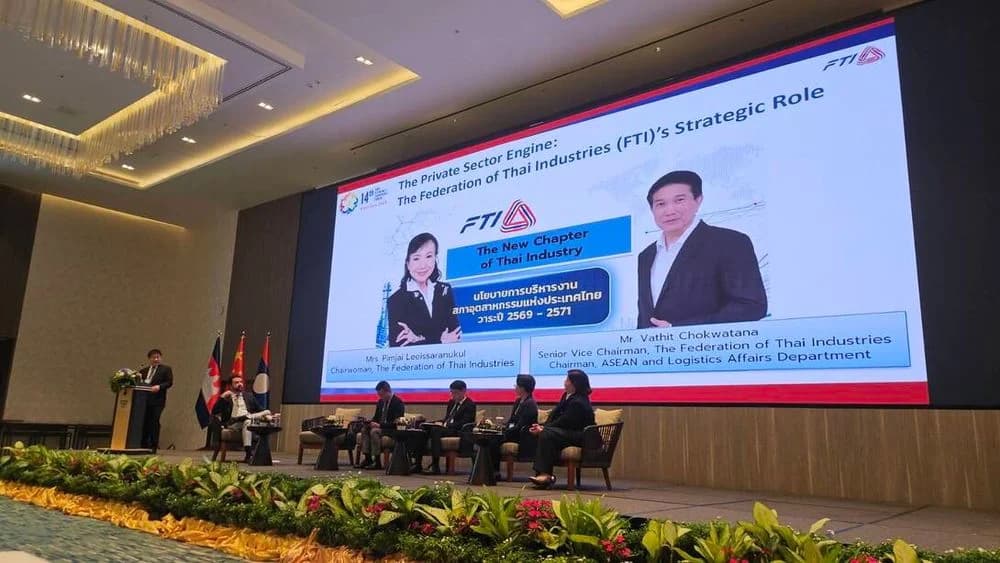
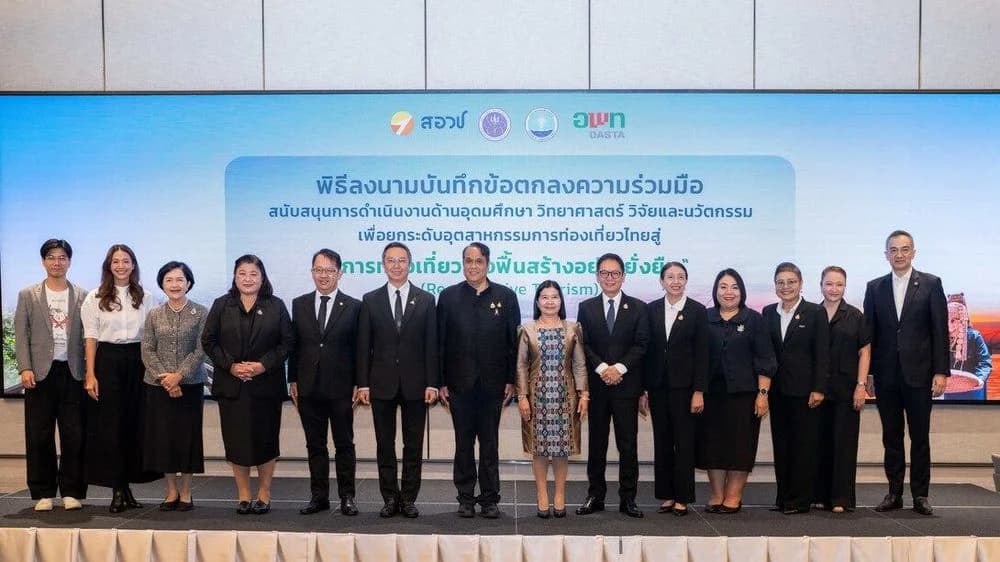
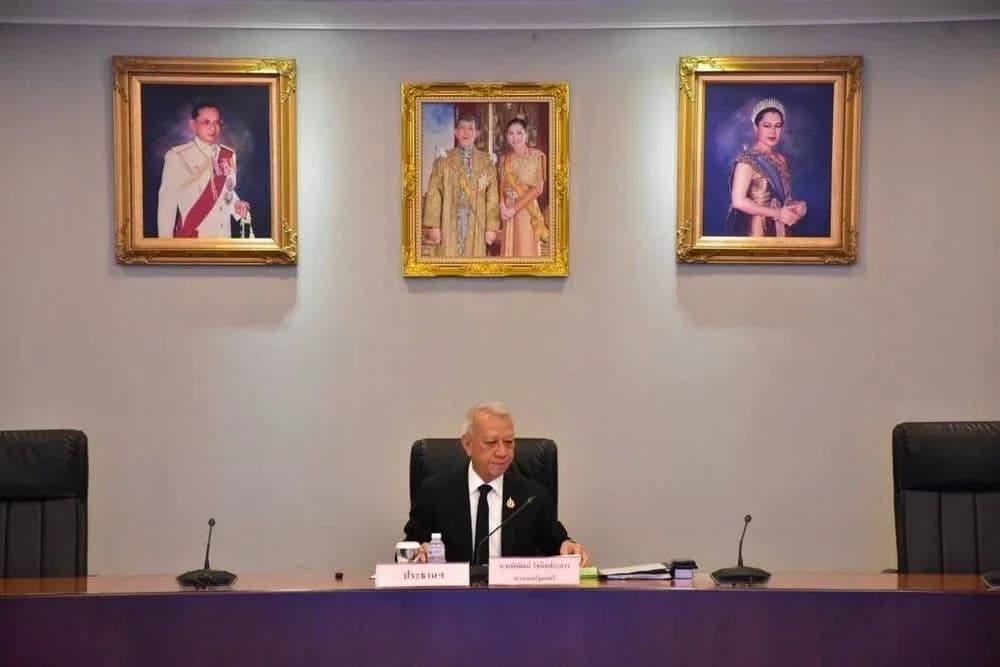
ล่าสุดเมื่อวันที่ 24 กันยายน 2569 นายถาวร ชลัษเฐียร รองประธานสภาอุตสาหกรรมแห่งประเทศไทย (ส.อ.ท.) และประธานสถาบันเสริมสร้างขีดความสามารถมนุษย์/FTI Academy ร่วมเสวนาในหัวข้อ “มุมมอง แนวคิด และบทบาทของสภาอุตสาหกรรมแห่งประเทศไทยต่อการพัฒนากำลังคนสมรรถนะสูงด้วยแพลตฟอร์ม LPCE (Lifelong Professional Capability Ecosystem) และระบบ Micro-credentials (MC)” ภายในงานประชุมเชิงปฏิบัติการเพื่อวิพากษ์และปรับปรุงกรอบแนวปฏิบัติการสร้างระบบการศึกษาใหม่ จัดโดยสำนักงานปลัดกระทรวงการอุดมศึกษา วิทยาศาสตร์ วิจัยและนวัตกรรม (สป.อว.) ณ โรงแรมเซ็นจูรี่ พาร์ค กรุงเทพฯ
การจัดงานประชุมเชิงปฏิบัติการในครั้งนี้ เกิดจากการที่สำนักงานปลัดกระทรวงการอุดมศึกษา วิทยาศาสตร์ วิจัยและนวัตกรรม (สป.อว.) กำลังเดินหน้าศึกษากรอบแนวปฏิบัติการสร้างระบบนิเวศการศึกษาใหม่เพื่อการพัฒนาทักษะและสมรรถนะ ควบคู่ไปกับการยกระดับศักยภาพสถานประกอบการสู่การบริการใหม่ มุ่งหวังเชื่อมโยงภาคการศึกษากับภาคอุตสาหกรรม เพื่อให้กลไกการผลิตและพัฒนากำลังคนสามารถตอบสนองต่อโมเดลธุรกิจยุคใหม่ที่เปลี่ยนผ่านจากการผลิตสินค้าแบบเดิมสู่การให้บริการมูลค่าสูง
ด้วยเหตุนี้ ส.อ.ท. จึงร่วมมือกับ สป.อว. ในการวางแผนขับเคลื่อนระบบนิเวศการเรียนรู้แบบ LPCE (Lifelong Professional Capability Ecosystem) ร่วมกับระบบรับรองทักษะ Micro-credentials (MC) และระบบธนาคารหน่วยกิต (Credit Bank System) ซึ่งเป็นกลไกสำคัญที่จะช่วยปิดช่องว่างทางทักษะ (Skill Gap) และสร้าง “บุคลากรพร้อมใช้” ขับเคลื่อนภาคอุตสาหกรรม ภายใต้แนวคิด “เรียนในสิ่งที่ต้องการ – ในจำนวนที่ต้องการ – ในเวลาที่ต้องการ” (Just-in-time Talent)
กลไกดังกล่าวจะเปิดโอกาสให้แรงงานสามารถ Reskill และ Upskill ได้ตลอดชีวิตโดยไม่ต้องออกจากงาน พร้อมได้รับการรับรองทักษะเฉพาะด้านที่นำไปใช้ได้จริง สะสมและต่อยอดได้ ช่วยลดเวลาและค่าใช้จ่ายในการเรียนรู้ ทั้งยังทำให้เห็น Skill Profile ที่ชัดเจน ซึ่งภาคอุตสาหกรรมให้ความสำคัญมากกว่าเพียงแค่วุฒิการศึกษา อันจะนำไปสู่การเพิ่มขีดความสามารถในการแข่งขันของประเทศอย่างยั่งยืน
ทั้งนี้ ภายในการประชุม นายถาวร ได้กล่าวถึงความท้าทายสำคัญด้านกำลังคนที่ภาคอุตสาหกรรมกำลังเผชิญในปัจจุบัน 3 ประการ ได้แก่
1) การขาดแคลนกำลังคน (Talent Shortage & Skill Mismatch): ขาดแคลนแรงงานทักษะสูงในกลุ่มอุตสาหกรรมเป้าหมาย (S-Curve) อาทิ ยานยนต์ไฟฟ้า (EV) อิเล็กทรอนิกส์อัจฉริยะ ดิจิทัล และ AI
2) ช่องว่างทางทักษะ (Skills Gap): บัณฑิตจบใหม่มักมีทักษะไม่ตรงกับการปฏิบัติงานจริงในโรงงานอุตสาหกรรมยุค 4.0 ทั้งทักษะทางเทคนิคเฉพาะทางและ Soft Skills
3) ความเร็วในการเปลี่ยนแปลง (Speed of Change): ความก้าวหน้าทางเทคโนโลยีที่เกิดขึ้นอย่างรวดเร็ว ส่งผลให้หลักสูตรระดับปริญญาตรีแบบเดิม 4 ปี ปรับตัวไม่ทันต่อความต้องการของภาคการผลิต
ส.อ.ท. มองว่าการสร้างกำลังคนแห่งอนาคตไม่ใช่เพียงการเพิ่มจำนวนผู้จบการศึกษา แต่คือการทำให้ “ทักษะตรงกับงาน และคนตรงกับความต้องการของอุตสาหกรรม” โดยพร้อมเดินหน้าร่วมกับ สป.อว. และภาคีเครือข่าย ผลักดัน LPCE, Micro-credentials และ Credit Bank ให้เป็นกลไกเชื่อมโยงการเรียนรู้กับโลกการทำงานอย่างเป็นรูปธรรม เพื่อให้คนไทยสามารถเรียนรู้และพัฒนาทักษะได้ตลอดชีวิต ขณะเดียวกันภาคอุตสาหกรรมมีบุคลากรที่พร้อมรองรับเทคโนโลยีและธุรกิจรูปแบบใหม่ ซึ่งจะช่วยยกระดับผลิตภาพ สร้างโอกาสการจ้างงาน และเสริมขีดความสามารถในการแข่งขันของประเทศไทยในระยะยาว
FTI advances workforce development to align with the needs of the industrial sector through LPCE and Micro-credentials, connecting learning with practical skills while continuously supporting reskilling and upskilling.
Recently, on September 24, 2026, Mr. Thavorn Chollathee, Vice Chairman of the Federation of Thai Industries (FTI) and President of the Human Capability Enhancement Institute/FTI Academy, participated in a discussion on the topic “Perspectives, Ideas, and Roles of the Federation of Thai Industries in Developing High-Competency Workforce through the LPCE (Lifelong Professional Capability Ecosystem) and Micro-credentials (MC) Platforms” during a workshop organized by the Office of the Permanent Secretary for Higher Education, Science, Research and Innovation (Office of the Permanent Secretary), at the Century Park Hotel, Bangkok.
This workshop was initiated as the Office of the Permanent Secretary is advancing its study on the framework for creating a new educational ecosystem for skill and competency development, alongside enhancing the capabilities of enterprises to offer new services. It aims to connect education with the industrial sector to ensure that the mechanisms for workforce production and development can respond to the new business models transitioning from traditional goods manufacturing to high-value services.
As a result, FTI collaborates with the Office of the Permanent Secretary in planning the drive for the LPCE (Lifelong Professional Capability Ecosystem) learning ecosystem along with the Micro-credentials (MC) certification system and Credit Bank System, which are crucial mechanisms to help bridge the skills gap and create a “ready-to-use” workforce to drive the industrial sector, under the concept of “learning what is needed – in the amount needed – at the time needed” (Just-in-time Talent).
This mechanism will provide opportunities for workers to reskill and upskill throughout their lives without needing to leave their jobs, while also receiving certification in specific skills that are practically applicable, accumulative, and can be built upon. It helps reduce time and costs for learning while also presenting a clear Skill Profile, which the industrial sector values more than just formal educational qualifications. This will lead to a sustainable increase in the country's competitive capability.
During the meeting, Mr. Thavorn mentioned three major challenges regarding the workforce that the industrial sector is currently facing:
1) Talent Shortage & Skill Mismatch: There is a shortage of skilled labor in target S-Curve industries, such as electric vehicles (EV), smart electronics, digital technologies, and AI.
2) Skills Gap: New graduates often possess skills that do not align with the actual job requirements in Industry 4.0 workplaces, including both technical skills and soft skills.
3) Speed of Change: The rapid technological advancements have resulted in traditional four-year degree programs being unable to adapt quickly enough to the production sector's needs.
FTI believes that building the workforce of the future is not merely about increasing the number of graduates but ensuring that “skills match jobs and people meet the industry's requirements.” It is ready to advance in collaboration with the Office of the Permanent Secretary and network partners to promote LPCE, Micro-credentials, and Credit Bank as practical mechanisms linking learning with the working world, enabling Thais to learn and develop skills throughout their lives. Simultaneously, the industrial sector will have personnel ready to embrace new technologies and business models, thereby enhancing productivity, creating employment opportunities, and improving Thailand's long-term competitive capabilities.