
ส.อ.ท. ร่วมผลักดัน GMS Economic Corridor สู่การปฏิบัติจริง ชูบทบาทภาคเอกชนเร่งลดอุปสรรคด้าน ศุลกากร–กฎระเบียบ ยกระดับ โครงสร้างพื้นฐาน–โลจิสติกส์ พร้อมเดินหน้าความร่วมมือด้าน SEZ, SMEs, Digital Technology และ AI เพื่อเพิ่มศักยภาพการค้าและการลงทุนในอนุภูมิภาคลุ่มน้ำโขง
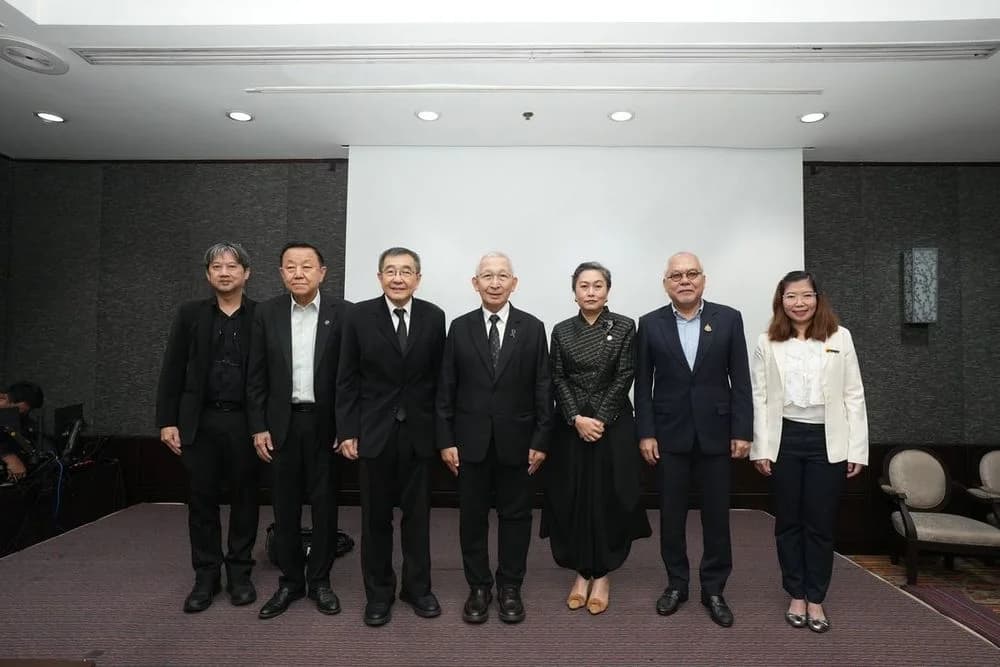
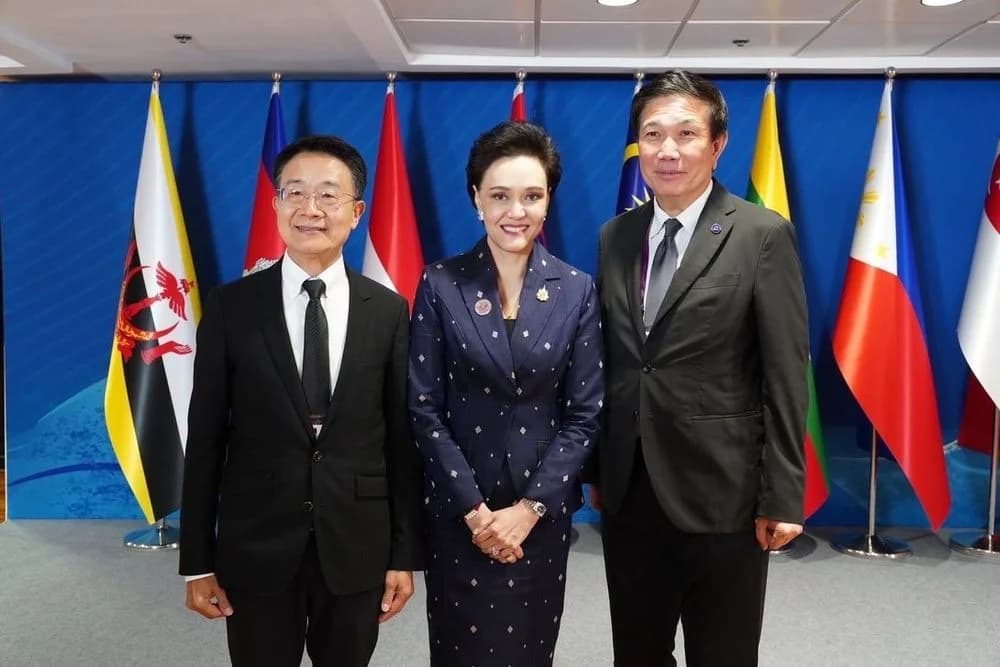
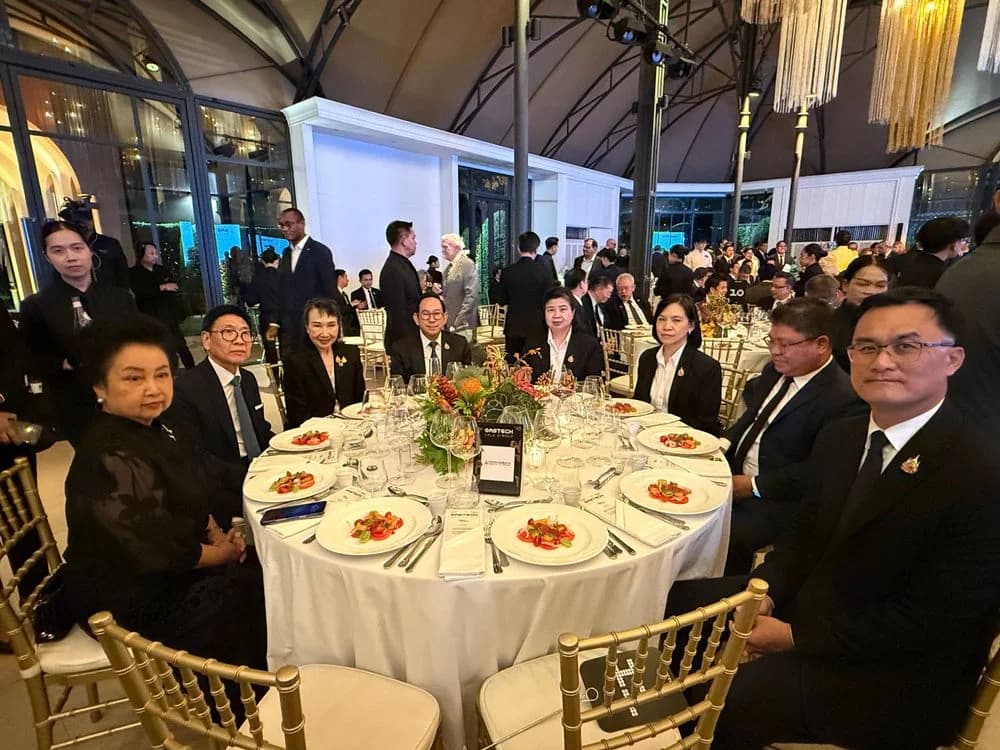
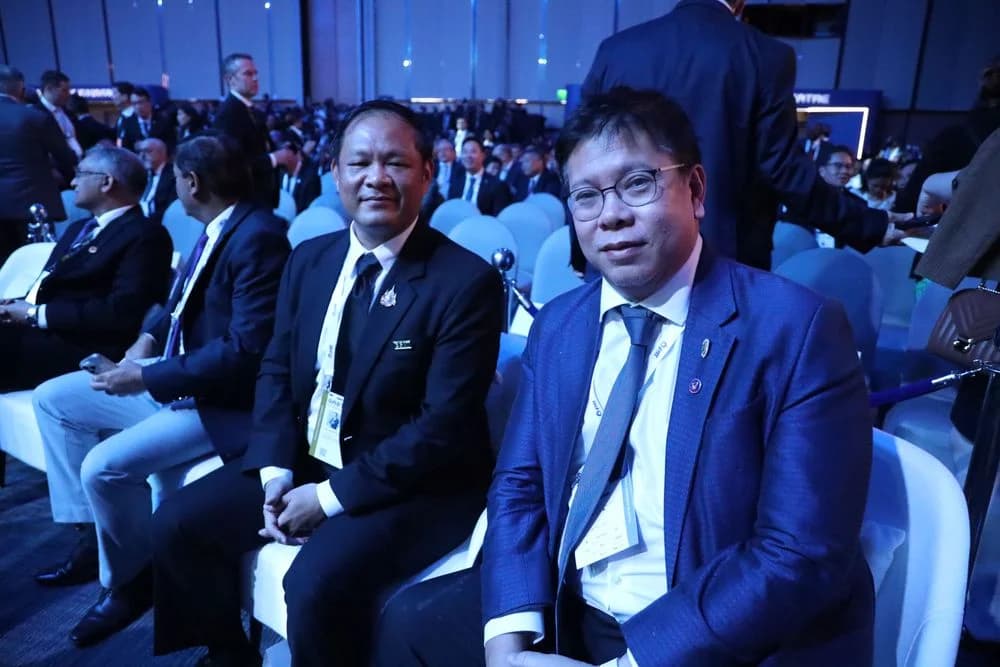
ระหว่างวันที่ 14–15 กันยายน 2569 ดร.กริช อึ้งวิฑูรสถิตย์ รองประธานสายงานอาเซียนและโลจิสติกส์ และประธานคณะอนุกรรมการส่งเสริมธุรกิจภูมิภาคอาเซียน สภาอุตสาหกรรมแห่งประเทศไทย (ส.อ.ท.) พร้อมด้วย ดร.กฤษฎา ประเสริฐสุโข รองประธานคณะอนุกรรมการส่งเสริมธุรกิจภูมิภาคอาเซียน สายงานอาเซียนและโลจิสติกส์ และนายธนวัฒน์ จิตบรรเทิงพันธ์ กรรมการและผู้ช่วยเลขานุการ สายงานอาเซียนและโลจิสติกส์ เข้าร่วมและนำเสนอวิสัยทัศน์ในการประชุมหารือระเบียงเศรษฐกิจในอนุภูมิภาคลุ่มน้ำโขง ครั้งที่ 14 (14th GMS Economic Corridors Forum: ECF-14) ภายใต้หัวข้อ “Accelerating, Harnessing, Harmonizing Economic Corridor Development to Ensure GMS Resilience Against Major Global Challenges” ณ โรงแรม Crowne Plaza นครหลวงเวียงจันทน์ สาธารณรัฐประชาธิปไตยประชาชนลาว (สปป. ลาว) โดยการประชุมฯ ครั้งนี้ รัฐบาล สปป. ลาว โดยกระทรวงการเงิน (Ministry of Finance) เป็นเจ้าภาพร่วมกับธนาคารพัฒนาเอเชีย (Asian Development Bank: ADB)
ภายในการประชุมฯ ดร.กฤษฎา ประเสริฐสุโข ผู้แทน ส.อ.ท. และสภาธุรกิจ GMS ประเทศไทย ได้นำเสนอมุมมองของภาคเอกชนเกี่ยวกับอุปสรรคสำคัญ ทั้งความล่าช้าทางศุลกากร ข้อจำกัดเชิงกฎระเบียบ ช่องว่างด้านโครงสร้างพื้นฐาน และความน่าเชื่อถือทางการเงิน พร้อมเสนอให้ปรับยุทธศาสตร์จากการลงทุนที่มุ่งเน้นเฉพาะการเชื่อมโยงด้านคมนาคม ไปสู่ยุทธศาสตร์การลงทุนในหลากหลายมิติอย่างเป็นรูปธรรมมากยิ่งขึ้น สอดคล้องกับการนำเสนอโมเดลเขตพัฒนาพิเศษภาคตะวันออก (EEC) ของไทย โดย ดร.ชลจิต วรวังโส วีรกุล ผู้ช่วยเลขาธิการ สายงานการลงทุนและการต่างประเทศ สำนักงานคณะกรรมการนโยบายเขตพัฒนาพิเศษภาคตะวันออก ซึ่งมุ่งเน้นการร่วมลงทุนระหว่างรัฐและเอกชน (Public-Private Partnership: PPP) การให้สิทธิประโยชน์ที่ปรับตามความเหมาะสม ตลอดจนการลดต้นทุนการขนส่งจากเส้นทางรถไฟ สปป. ลาว–จีน
ที่ประชุมฯ เห็นพ้องให้เร่งเชื่อมโยงการบริหารจัดการเขตเศรษฐกิจพิเศษ (SEZ) เข้ากับห่วงโซ่คุณค่าการพัฒนาแรงงานข้ามแดน ตลอดจนการสนับสนุน SMEs ท้องถิ่น โดยส่งเสริมการเคลื่อนย้ายแรงงานอย่างมีประสิทธิภาพผ่านการรับรองมาตรฐานทักษะแรงงาน ดังเช่นโครงการ PROMISE ขององค์การระหว่างประเทศเพื่อการโยกย้ายถิ่นฐาน (International Organization for Migration: IOM) และศูนย์บริการช่วยเหลือแรงงานย้ายถิ่นแบบเบ็ดเสร็จ (Integrated Migrant Assistance Centre: iMAC) ใน สปป. ลาว รวมถึงการยกระดับคุณภาพชีวิตในเมืองชายแดนและการจัดให้มีบริการพื้นฐานที่พร้อมรองรับความเสี่ยงจากสภาพภูมิอากาศ
นอกจากนี้ การประชุมฯ ยังมุ่งเน้นการนำนวัตกรรมและเทคโนโลยีดิจิทัลมาเป็นฟันเฟืองขับเคลื่อนการเติบโตอย่างยืดหยุ่น ผ่านแนวคิดระเบียงเศรษฐกิจดิจิทัล (Digital Economic Corridor) และกรอบ Asia Pacific Digital Highway ของ ADB ตลอดจนการประยุกต์ใช้ปัญญาประดิษฐ์ (AI) ในระบบภาครัฐและสาธารณสุข รวมถึงเทคโนโลยีติดตามตู้สินค้าอิเล็กทรอนิกส์ (Electronic Cargo Tracking System: ECTS) และแพลตฟอร์มแลกเปลี่ยนข้อมูลแห่งชาติของกัมพูชา (Cambodia Data Exchange: CamDX) ซึ่งช่วยลดระยะเวลาและขั้นตอนการดำเนินธุรกิจลงได้อย่างมีนัยสำคัญ
FTI is actively pushing for the GMS Economic Corridor to become a reality, emphasizing the role of the private sector in reducing obstacles related to customs and regulations, upgrading infrastructure and logistics, while advancing cooperation in SEZ, SMEs, Digital Technology, and AI to enhance trade and investment potential in the Mekong sub-region.
During September 14-15, 2026, Dr. Krit Uengwitoonstit, Vice Chairman of the ASEAN and Logistics Division and Chairman of the ASEAN Regional Business Promotion Subcommittee of the Federation of Thai Industries (FTI), along with Dr. Kritsadaporn Prasertsukho, Vice Chairman of the ASEAN Regional Business Promotion Subcommittee, and Mr. Thanawat Jitbanterngpan, Committee Member and Assistant Secretary of the ASEAN and Logistics Division, attended and presented their vision at the 14th GMS Economic Corridors Forum (ECF-14) under the theme “Accelerating, Harnessing, Harmonizing Economic Corridor Development to Ensure GMS Resilience Against Major Global Challenges” at the Crowne Plaza Hotel, Vientiane, Lao People's Democratic Republic (Lao PDR). The event was co-hosted by the government of Lao PDR through the Ministry of Finance and the Asian Development Bank (ADB).
During the meeting, Dr. Kritsadaporn Prasertsukho, representative of FTI and the GMS Business Council of Thailand, presented the private sector's perspective on significant obstacles, including delays in customs, regulatory constraints, infrastructure gaps, and financial credibility. He proposed shifting the investment strategy from solely focusing on transportation connectivity to a more tangible multi-dimensional investment strategy, aligning with the model of the Eastern Economic Corridor (EEC) presented by Dr. Chonchit Vorawanwongsewirakul, Assistant Secretary of the Investment and Foreign Affairs Division of the Office of the Eastern Economic Corridor Policy Committee, which emphasizes public-private partnership (PPP), adjustments of benefits based on appropriateness, and the reduction of transportation costs through the Laos-China railway.
The meeting reached a consensus to expedite the integration of Special Economic Zone (SEZ) management with the labor migration development value chain, as well as supporting local SMEs by promoting efficient labor mobility through the certification of labor skill standards, such as the PROMISE program of the International Organization for Migration (IOM) and the Integrated Migrant Assistance Centre (iMAC) in Laos, in addition to improving the quality of life in border towns and providing basic services that are ready to address climate risks.
Furthermore, the meeting emphasized the incorporation of innovations and digital technologies as a driving force for flexible growth through the concept of the Digital Economic Corridor and the ADB's Asia Pacific Digital Highway framework, as well as the application of artificial intelligence (AI) in government and public health systems, including the Electronic Cargo Tracking System (ECTS) and Cambodia's National Data Exchange platform (Cambodia Data Exchange: CamDX), which significantly reduce business execution time and procedures.