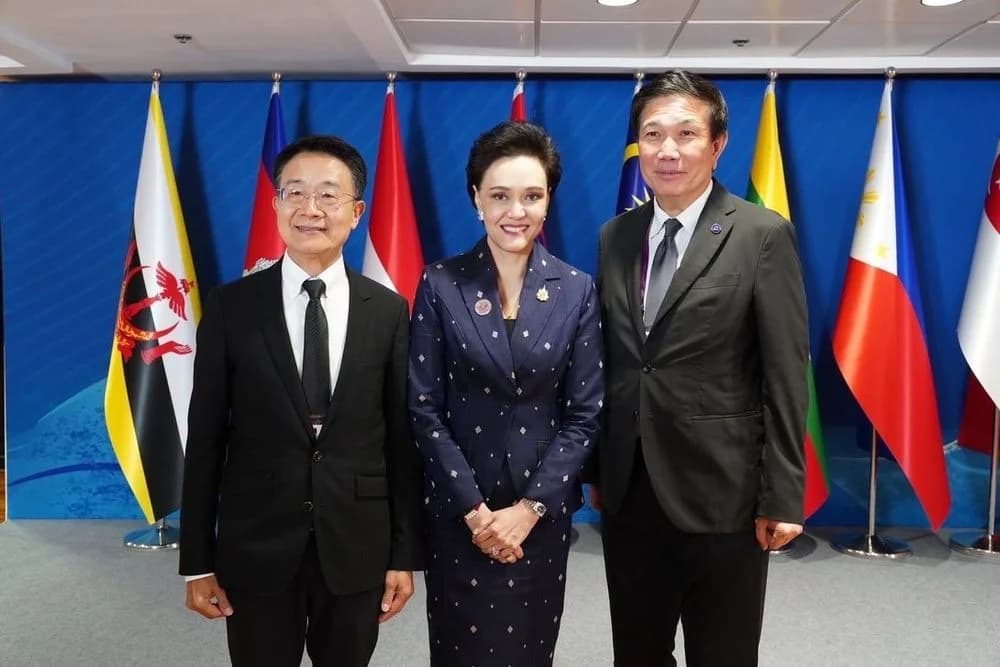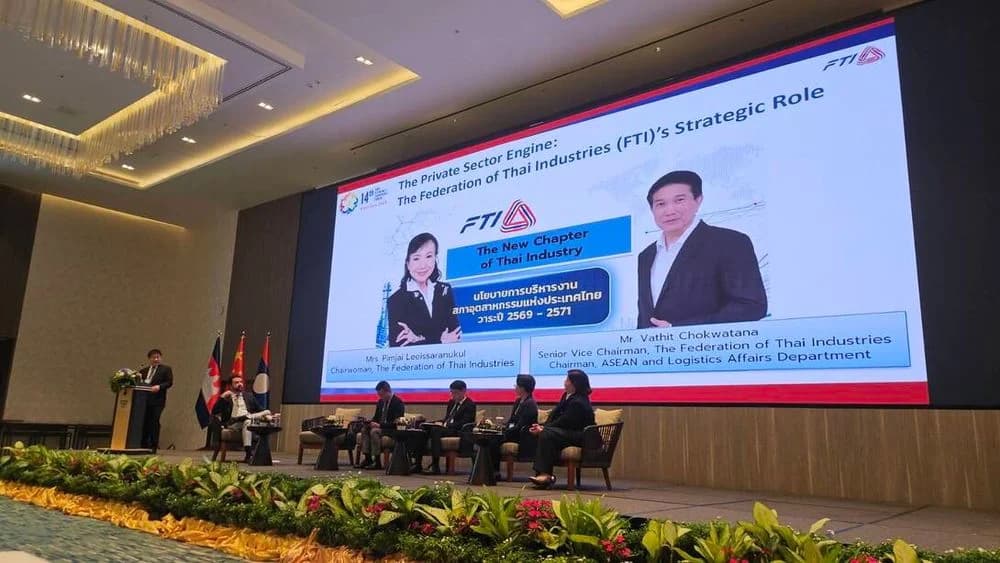

เมื่อวันที่ 18 กรกฎาคม 2569 นายสุรชาติ เชาวน์วัฒนา รองประธานกลุ่มอุตสาหกรรมโรงเลื่อยและโรงอบไม้ และกรรมการสภาอุตสาหกรรมภาคใต้ สภาอุตสาหกรรมแห่งประเทศไทย (ส.อ.ท.) ในฐานะผู้แทนสภาธุรกิจ IMT-GT ได้เข้าร่วมการประชุมคณะทำงานด้านสินค้าและบริการฮาลาล ครั้งที่ 20 (The 20th IMT-GT Working Group on Halal Products and Services (WGHAPAS)) ณ กรุงจาการ์ตา ประเทศอินโดนีเซีย และผ่านระบบการประชุมทางไกลออนไลน์
ที่ประชุมฯ ได้สรุปความคืบหน้าการดำเนินงาน พร้อมมุ่งขับเคลื่อนอุตสาหกรรมฮาลาลยุคใหม่ ดังนี้
1. Halal 2.0 & ความยั่งยืน (SDGs) ผสานหลักฮาลาลกับการจัดการพลังงาน น้ำ และการลดขยะ เพื่อช่วยให้ SMEs ผ่านมาตรฐานสิ่งแวดล้อมที่เข้มงวดของตลาดระดับโลก เช่น ยุโรป ได้ง่ายขึ้น
2. หนุน SMEs & โครงสร้างพื้นฐาน เสนอให้มีกองทุนพัฒนาสถานประกอบการยั่งยืนต้นแบบ และร่วมมือกับธนาคารอิสลามสนับสนุนการนำเทคโนโลยีวัดคาร์บอนฟุตพริ้นท์อัตโนมัติ ลดภาระบุคลากรของ SMEs
3. เพิ่มมูลค่า & โครงการนำร่อง เร่งเปลี่ยนจากการส่งออกวัตถุดิบดิบมาเป็นการสร้างอุตสาหกรรมแปรรูปกลางน้ำ-ปลายน้ำในภูมิภาค พร้อมเตรียมเปิดโครงการนำร่องนิคมฮาลาล 2.0 ในประเทศมาเลเซียปีหน้า โดยไทยเสนอแนวคิดระบบ Halal Wallet เน้นบริการ One-Stop Service และการตรวจสอบย้อนกลับ (Traceability)
4. ปรับภาพลักษณ์สู่สากล (Rebranding) ยกระดับ "ฮาลาล" จากข้อบังคับทางศาสนาสู่สัญลักษณ์สากลด้านคุณภาพและสิ่งแวดล้อม เช่นเดียวกับตราฮาลาลใหม่ของประเทศซาอุดีอาระเบียที่เน้นหลักความยั่งยืน
5. ขับเคลื่อนสู่การปฏิบัติ เร่งแปลงข้อตกลงระดับภูมิภาคสู่การปฏิบัติจริงในแต่ละประเทศตามแผนงาน IMT-GT Implementation Blueprint 2022-2026
ทั้งนี้ การผนึกกำลังภายใต้กรอบ Halal 2.0 ในครั้งนี้ จะเป็นกลไกสำคัญในการขับเคลื่อนอุตสาหกรรมฮาลาลของทั้ง 3 ประเทศอย่างเป็นรูปธรรม โดยอินโดนีเซีย ในฐานะตลาดฮาลาลขนาดใหญ่พร้อมสนับสนุนด้านการรับรองและมาตรฐานสากล มาเลเซีย ทำหน้าที่เป็นศูนย์กลางทดสอบระบบผ่านนิคมอุตสาหกรรมฮาลาลนำร่อง และประเทศไทย ดึงศักยภาพความเข้มแข็งด้านวัตถุดิบ วิจัย และระบบบริการดิจิทัลอย่าง Halal Wallet เข้ามาเติมเต็ม ซึ่งความร่วมมือในอนุภูมิภาค IMT-GT จะช่วยเปลี่ยนสถานะจากประเทศผู้ส่งออกวัตถุดิบไปสู่การเป็น "ศูนย์กลางอุตสาหกรรมแปรรูปฮาลาลและส่วนผสมฮาลาลมูลค่าสูง" (Halal Value-Added Hub) ของภูมิภาค เชื่อมโยงห่วงโซ่อุปทานฮาลาลอย่างครบวงจร พร้อมผลักดันให้ภูมิภาค IMT-GT ก้าวขึ้นเป็นผู้นำตลาดฮาลาลระดับโลก
On July 18, 2026, Mr. Surachai Chao-watana, Vice Chairman of the Sawing and Wood Drying Industry Group and a member of the Southern Industrial Council of the Federation of Thai Industries (FTI), participated as a representative of the IMT-GT Business Council in the 20th IMT-GT Working Group on Halal Products and Services (WGHAPAS) held in Jakarta, Indonesia, both in-person and via online conferencing.
The meeting summarized the progress of operations and aimed to drive the new halal industry as follows:
1. Halal 2.0 & Sustainability (SDGs) integrating halal principles with energy management, water use, and waste reduction to assist SMEs in meeting the stringent environmental standards of the global market, such as those in Europe, more easily.
2. Support for SMEs & Infrastructure, proposing the establishment of a sustainable model enterprise development fund and collaboration with Islamic banks to promote the implementation of automatic carbon footprint measurement technology, reducing the burden on SME personnel.
3. Value Addition & Pilot Projects, accelerating the shift from exporting raw materials to developing upstream and downstream processing industries in the region, with plans to launch a Halal 2.0 pilot project in Malaysia next year, where Thailand proposed the concept of a Halal Wallet focusing on One-Stop Service and Traceability.
4. Rebranding to an International Image, elevating 'halal' from a religious obligation to an international symbol of quality and environmental standards, similar to the new halal emblem of Saudi Arabia that emphasizes sustainability.
5. Driving Implementation, accelerating the transition of regional agreements into practical applications in each country according to the IMT-GT Implementation Blueprint 2022-2026.
This collaboration under the Halal 2.0 framework will serve as a crucial mechanism for concretely driving the halal industry of all three countries. Indonesia, as the large halal market, is ready to support certification and international standards, while Malaysia acts as a testing center through pilot halal industrial parks, and Thailand leverages its strength in raw materials, research, and digital services like Halal Wallet to complement this initiative. The IMT-GT sub-regional collaboration will assist in transforming the status from a raw material exporting country to a 'Halal Value-Added Hub' for the region, integrating the halal supply chain comprehensively, and propelling the IMT-GT region to become a global halal market leader.