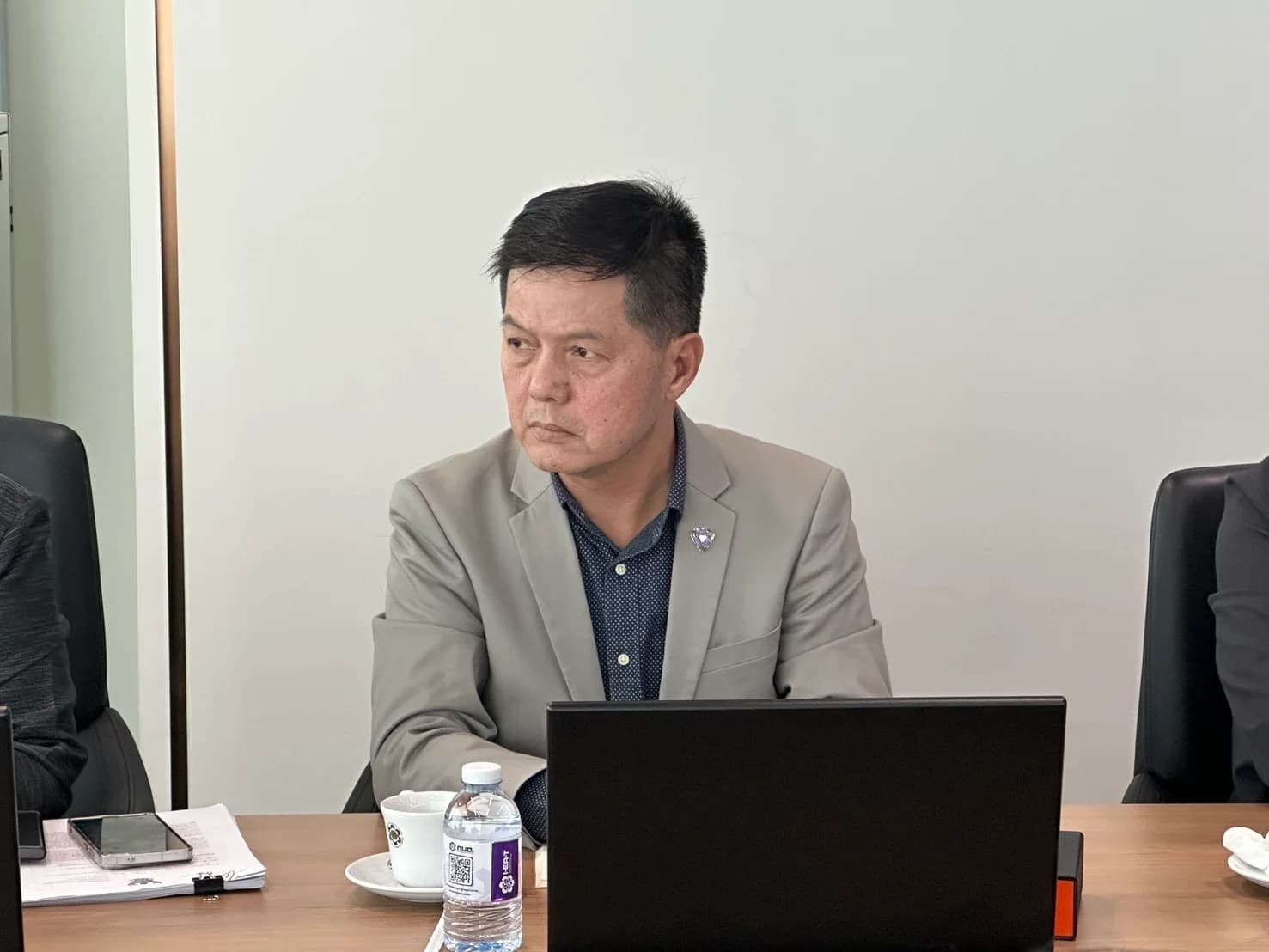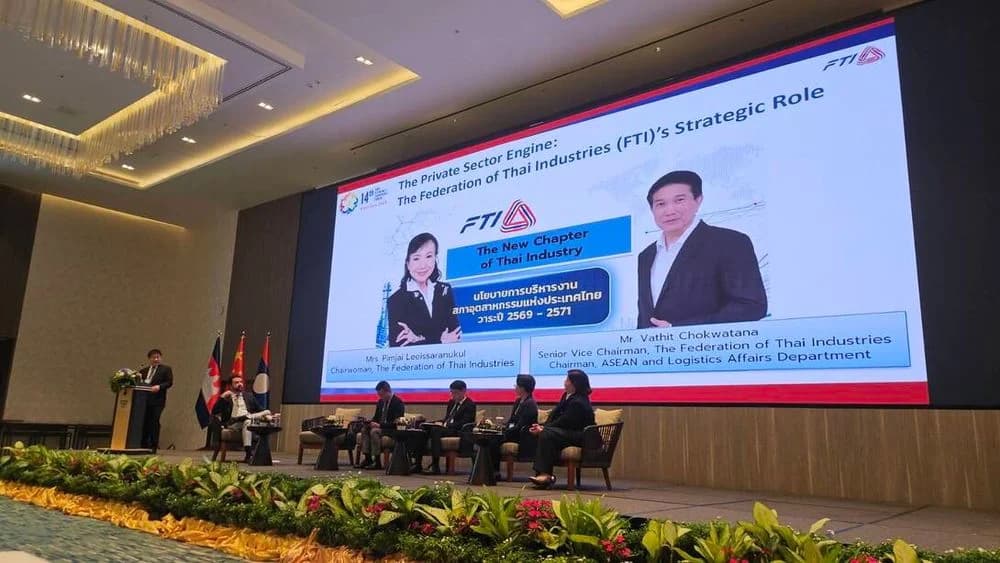

เมื่อวันที่ 27 กุมภาพันธ์ 2569 นายเกรียงไกร เธียรนุกุล ประธานสภาอุตสาหกรรมแห่งประเทศไทย (ส.อ.ท.) มอบหมายให้ ดร.ภก. นิลสุวรรณ ลีลารัศมี รองประธาน ส.อ.ท. เป็นผู้แทนเข้าร่วมการประชุมคณะกรรมการขับเคลื่อนการเข้าเป็นภาคีอนุสัญญาว่าด้วยการต่อต้านการให้สินบนของ OECD และการเข้าเป็นสมาชิก OECD ครั้งที่ 1/2569 โดยมีนายภัทรศักดิ์ วรรณแสง กรรมการสำนักงาน ป.ป.ช. เป็นประธานการประชุม ณ ห้องนนทบุรี 3 อาคาร 4 ชั้น 3 สำนักงาน ป.ป.ช.
ที่ประชุมรายงานความก้าวหน้าในการดำเนินการเข้าเป็นภาคีอนุสัญญาว่าด้วยการต่อต้านการให้สินบนของ OECD (OECD Anti-Bribery Convention) ดังนี้
• เมื่อวันที่ 8 ธันวาคม 2568 นายอนุทิน ชาญวีรกูล นายกรัฐมนตรี ได้ส่งมอบเอกสารบันทึกเบื้องต้น (Initial Memorandum: IM) ของประเทศไทยแก่นายฟรานติเช็ก รูซิกกา รองเลขาธิการ OECD อย่างเป็นทางการ ณ ทำเนียบรัฐบาล ในโอกาสเดินทางเยือนประเทศไทย
• ในวันเดียวกัน นายภัทรศักดิ์ วรรณแสง กรรมการ ป.ป.ช. ได้ยื่นหนังสือแสดงเจตจำนง เพื่อเริ่มกระบวนการเข้าเป็นภาคีอนุสัญญาดังกล่าวต่อรองเลขาธิการ OECD
• ในระหว่างวันที่ 6–13 ธันวาคม 2568 คณะผู้แทน ป.ป.ช. เข้าร่วมการประชุมคณะทำงานว่าด้วยการต่อต้านการให้สินบนแก่เจ้าหน้าที่ของรัฐต่างประเทศในการทำธุรกรรมทางธุรกิจระหว่างประเทศ (OECD Working Group on Bribery in International Business Transactions) ณ กรุงปารีส สาธารณรัฐฝรั่งเศส
ด้านการประชาสัมพันธ์ สำนักงาน ป.ป.ช. โดยสำนักสื่อสารองค์กรร่วมกับสำนักกิจการและคดีทุจริตระหว่างประเทศ ได้ดำเนินการสร้างการรับรู้เกี่ยวกับ OECD และ OECD Anti-Bribery Convention อย่างต่อเนื่อง ทั้งภายในและภายนอกองค์กร ผ่านสื่อหลากหลายรูปแบบ อาทิ อินโฟกราฟิก คลิปวิดีโอ รายการวิทยุและโทรทัศน์ รวมถึงบทความเผยแพร่ผ่านช่องทางของสำนักงาน
นอกจากนี้ ในช่วงครึ่งหลังของปี 2569 จะมีการจัดประชุมเชิงปฏิบัติการ (Workshop) เพื่อเสริมสร้างความเข้าใจเกี่ยวกับอนุสัญญาฯ พร้อมขอความร่วมมือจากหน่วยงานต่าง ๆ ในการเผยแพร่ข้อมูลสู่สาธารณะ
ในด้านการประชุม ก็ได้มีการหารือในประเด็นการประเมินและการประบปรุงแก้ไขกฎหมายให้สอดคล้องกับมาตรฐานของ OECD ในด้าน (1) ขบวนการระงับคดีสินบนที่สามารถทำได้โดยไม่ต้องเข้าสู่ชั้นศาล (2) ความร่วมมือระหว่างประเทศด้านกฎหมายกับประเทศสมาชิกด้วยกันกับการส่งผู้ร้ายข้ามแดน คดีติดสินบน และแนวทางวิธีปฏิบัติต่างๆ (3) ไทยมีกฎหมายส่วนหนึ่งที่สอดคล้องกับ OECD อยู่แล้วแต่ยังขาดการนำไปปฏิบัติอย่างจริงจัง (4) ขบวนการแก้ไขปรับปรุงกฎหมายมีหลายขั้นตอนก่อนเข้า ครม. จำเป็นต้องเตรียมความพร้อมในหลาย ๆ ด้านโดยเฉพาะอย่างยิ่งกฎหมายที่มีผลร่วมกันหรือเกี่ยวข้องกัน เพื่อให้สามาถนำไปใช้ได้โดยไม่ติดขัดและเข้าข่ายความเป็นมาตรฐานอย่างเดียวกับ OECD
ด้าน ดร.ภก. นิลสุวรรณ ได้ให้ข้อเสนอแนะว่า ปัจจุบันคณะกรรมการร่วมภาคเอกชน 3 สถาบัน (กกร.) ได้เข้าร่วมกิจกรรมและประชุมกับ Business at OECD (BIAC) ซึ่งเป็นเครือข่ายภาคธุรกิจของ OECD เพื่อเสนอข้อคิดเห็นเชิงนโยบาย ยกระดับมาตรฐานการค้าและการลงทุน และสนับสนุนการเข้าเป็นสมาชิก OECD ของไทย โดยล่าสุดได้เข้าร่วมการประชุม General Assembly ณ กรุงปารีส เมื่อเดือนกุมภาพันธ์ 2568
ทั้งนี้ BIAC ทำหน้าที่เป็นเสียงของภาคเอกชนจากประเทศสมาชิก OECD ในการให้ข้อเสนอแนะด้านการลงทุน นโยบายดิจิทัล และการค้าเสรี โดย กกร. ทำหน้าที่เป็นผู้แทนภาคเอกชนไทยในการประสานความร่วมมือกับ BIAC เพื่อเสริมสร้างความเชื่อมั่นของนักลงทุนต่างชาติ และยกระดับมาตรฐานธุรกิจไทยสู่สากล ซึ่งเป็นส่วนสำคัญในการสนับสนุนอีกด้านหนึ่งของไทยในการเข้าเป็นสมาชิก OECD
ดังนั้น จึงเสนอให้หน่วยงานทุกภาคส่วนเข้าถึงเว็บไซต์ Open Law Data ของสำนักงานคณะกรรมการกฤษฎีกา เพื่อร่วมแสดงความคิดเห็นต่อการร่างกฎหมาย อันจะช่วยให้การปรับปรุงกฎหมายสะท้อนมุมมองจากภาครัฐ ภาคเอกชน และภาคประชาชนอย่างรอบด้าน
สำหรับประเด็นเสนอเพื่อพิจารณา ที่ประชุมได้ชี้แจงแนวทางการปรับปรุงกฎหมายให้สอดคล้องกับมาตรฐานของ OECD โดยสำนักงาน ป.ป.ช. ร่วมกับ OECD ดำเนินโครงการ Reinforcing Thailand’s Anti-Corruption Framework ภายใต้ Country Programme ระยะที่ 2 ซึ่งจัดทำรายงานศึกษาและข้อเสนอแนะ เพื่อเสริมสร้างกรอบกฎหมายและการบังคับใช้กฎหมายเกี่ยวกับการให้สินบนแก่เจ้าหน้าที่ของรัฐต่างประเทศ (Foreign Bribery)
OECD ได้ประเมินประเด็นสำคัญ 6 ด้าน ได้แก่
1. ความผิดฐานให้สินบนแก่เจ้าหน้าที่ของรัฐต่างประเทศหรือเจ้าหน้าที่ขององค์การระหว่างประเทศ (Foreign Bribery Offence)
2. ความรับผิดของนิติบุคคลที่เกี่ยวข้องกับการให้สินบนแก่เจ้าหน้าที่ของรัฐต่างประเทศหรือเจ้าหน้าที่ขององค์การระหว่างประเทศ (Liability of Legal Person)
3. โทษความผิดฐานให้สินบนแก่เจ้าหน้าที่ของรัฐต่างประเทศหรือเจ้าหน้าที่ขององค์การระหว่างประเทศ (Sanctions)
4. การบังคับใช้กฎหมายการให้สินบนแก่เจ้าหน้าที่ของรัฐต่างประเทศหรือเจ้าหน้าที่ขององค์การระหว่างประเทศ (Enforcement)
5. ความร่วมมือระหว่างประเทศ (International Cooperation)
6. การห้ามเอาค่าใช้จ่ายที่เป็นสินบนมาหักเป็นรายจ่ายทางภาษี (Non-tax Deductibility)
หลังจากได้ยื่นหนังสือแสดงเจตจำนงเมื่อเดือนธันวาคม 2568 แล้ว คณะกรรมการฯ จะดำเนินการปรับปรุงกฎหมายให้สอดคล้องกับมาตรฐาน OECD เพื่อเข้าเป็นภาคีอนุสัญญาฯ ซึ่งคาดว่าจะใช้เวลาประมาณ 9 เดือน จากนั้นจะเข้าสู่กระบวนการติดตามการปฏิบัติตามอนุสัญญาฯ ใช้เวลาประมาณ 1 ปี 6 เดือน ก่อนที่จะเข้าสู่การเตรียมความพร้อมด้านกฎหมายต่อการเข้าเป็นสมาชิก OECD ซึ่งใช้เวลาอีกประมาณ 1 ปี เพื่อบรรลุเป้าหมายสู่การที่ประเทศไทยจะสามารถเข้าเป็นภาคีอนุสัญญาว่าด้วยการต่อต้านการให้สินบนของ OECD และเข้าเป็นสมาชิก OECD ภายในปี 2571 ต่อไป
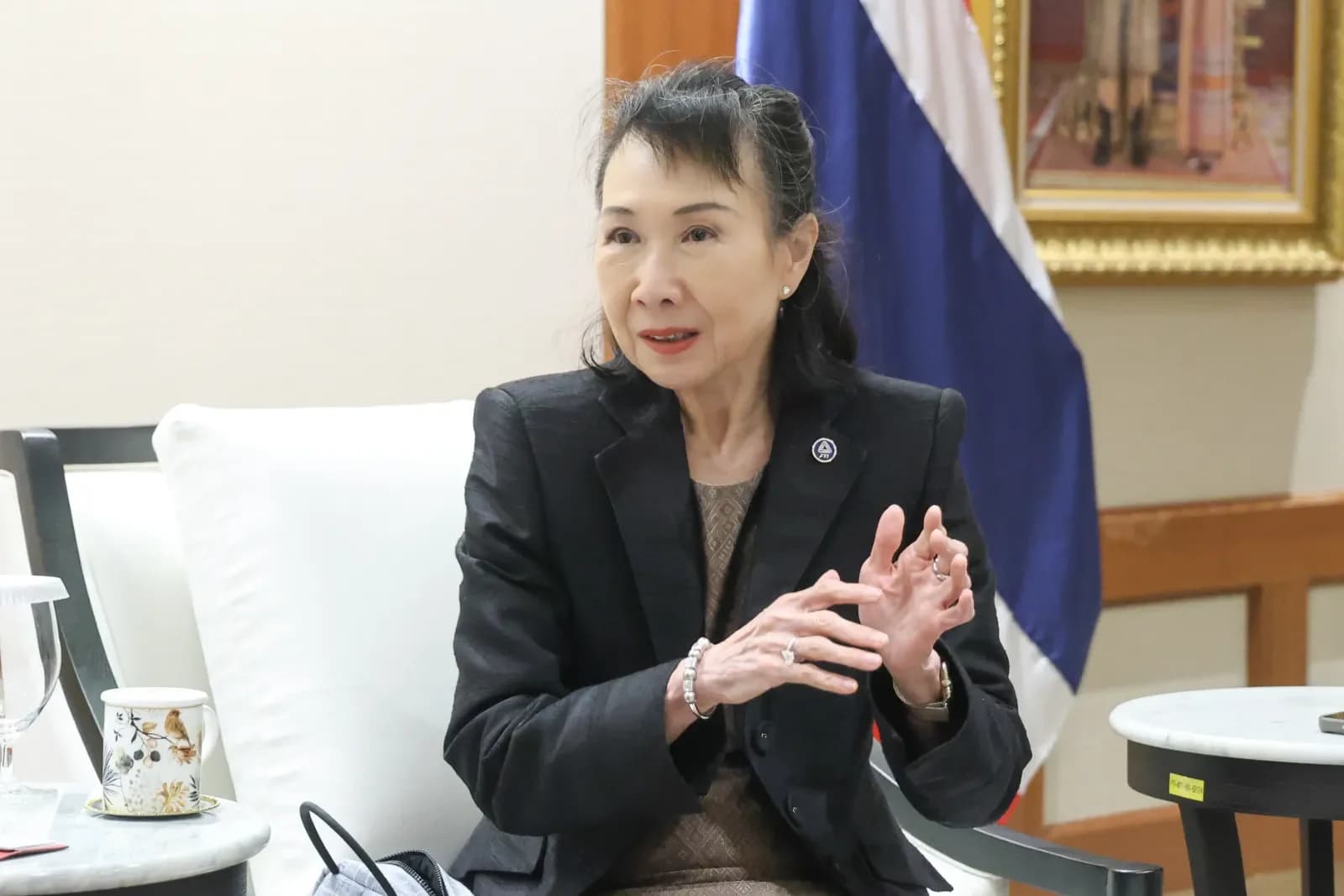
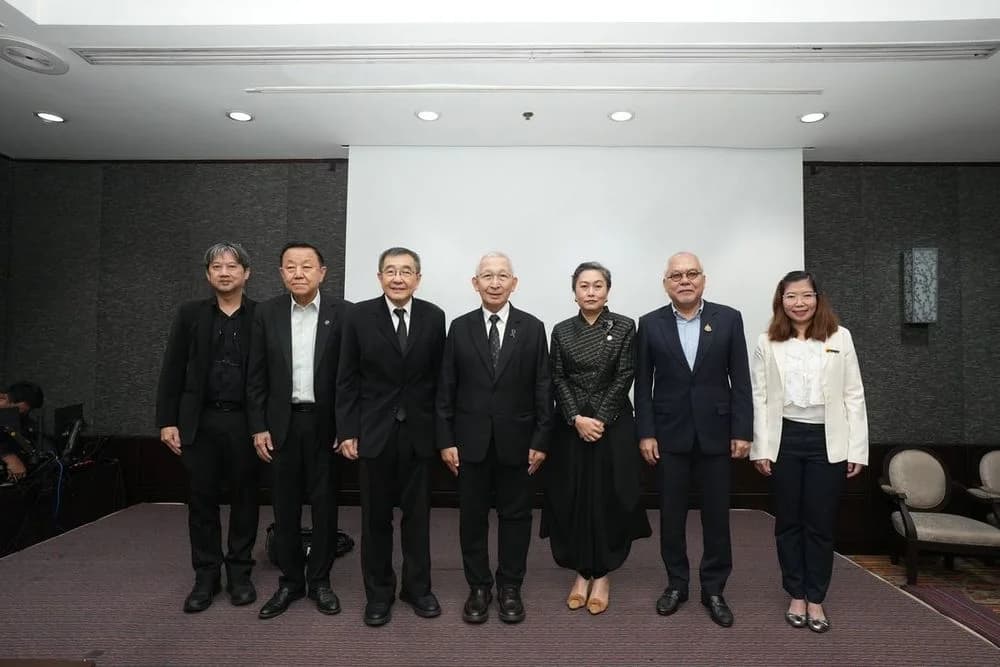
On February 27, 2026, Mr. Kriangkrai Theeranukul, the President of the Federation of Thai Industries (FTI), assigned Dr. Phak Nilsuwanna Leelarasmee, Vice President of FTI, to represent the FTI at the first Committee Meeting aimed at driving Thailand's accession to the OECD Anti-Bribery Convention and OECD membership, chaired by Mr. Pattarasak Wanasang, a member of the Office of the National Anti-Corruption Commission, held at Nonthaburi Room 3, Building 4, 3rd Floor, Office of the National Anti-Corruption Commission.
The meeting reported on the progress of efforts to accede to the OECD Anti-Bribery Convention as follows:
• On December 8, 2025, Mr. Anutin Charnvirakul, the Prime Minister, officially delivered Thailand's Initial Memorandum (IM) to Mr. František Ruzicka, the Deputy Secretary-General of the OECD, at Government House during his visit to Thailand.
• On the same day, Mr. Pattarasak Wanasang submitted a letter of intent to begin the process of accession to the said convention to the Deputy Secretary-General of the OECD.
• From December 6-13, 2025, a delegation from the National Anti-Corruption Commission participated in the meeting of the OECD Working Group on Bribery in International Business Transactions held in Paris, France.
In terms of public relations, the National Anti-Corruption Commission, through its Corporate Communication Office in collaboration with the Office of International Anticorruption Affairs, has continuously raised awareness about the OECD and the OECD Anti-Bribery Convention both internally and externally through various media formats such as infographics, video clips, radio and television programs, and articles published through the Office's channels.
Additionally, in the latter half of 2026, a workshop will be organized to enhance understanding of the convention and seek collaboration from various agencies to disseminate information to the public.
During the meeting, discussions were held on the assessment and amendment of laws to align with OECD standards in the following areas: (1) the process of settling bribery cases that can be done without entering the court system; (2) international legal cooperation with member countries regarding extradition, bribery cases, and various procedural guidelines; (3) Thailand already has some laws that align with the OECD, but lacks serious implementation; (4) the process of amending laws has several steps before it enters the Cabinet, necessitating preparation in various areas, especially laws that have mutual effects or are related, to ensure smooth implementation and compliance with OECD standards.
Dr. Phak Nilsuwanna suggested that currently the Joint Private Sector Committee from 3 institutions (the JPCA) has participated in activities and meetings with Business at OECD (BIAC), which is the business network of the OECD, to provide policy recommendations, enhance trade and investment standards, and support Thailand's accession to OECD membership. Recently, they participated in the General Assembly meeting in Paris in February 2025.
BIAC acts as the voice of the private sector from OECD member countries to provide recommendations on investment, digital policy, and free trade, while the JPCA serves as the representative of Thai private sectors in coordinating cooperation with BIAC to build confidence among foreign investors and elevate Thai business standards internationally, which is an important component in supporting another aspect of Thailand's accession to OECD membership.
Therefore, it is proposed that all sectors access the Open Law Data website of the Office of the Council of State to jointly express their opinions on legal drafts, which will help ensure that legal improvements reflect perspectives from the public sector, private sector, and the public comprehensively.
For issues proposed for consideration, the meeting clarified the approach for amending laws to align with OECD standards, with the National Anti-Corruption Commission cooperating with the OECD on the project Reinforcing Thailand’s Anti-Corruption Framework under the Country Programme Phase 2, which prepares study reports and proposals to strengthen legal frameworks and law enforcement on bribery against foreign public officials (Foreign Bribery).
OECD has evaluated six key areas:
1. The offense of bribing foreign public officials or officials of international organizations (Foreign Bribery Offence);
2. The liability of legal entities involved in bribing foreign public officials or officials of international organizations (Liability of Legal Person);
3. Sanctions for the offense of bribing foreign public officials or officials of international organizations (Sanctions);
4. Enforcement of laws on bribing foreign public officials or officials of international organizations (Enforcement);
5. International cooperation (International Cooperation);
6. Prohibition of deducting bribe-related expenses as tax-deductible expenses (Non-tax Deductibility).
After submitting the letter of intent in December 2025, the committee will proceed with legal amendments to comply with OECD standards to accede to the convention, which is expected to take approximately 9 months. Subsequently, it will enter the follow-up process for compliance with the convention taking about 1 year and 6 months before entering the legal preparation phase for OECD membership, which will take another approximately 1 year to achieve the goal of Thailand's accession to the OECD Anti-Bribery Convention and OECD membership by 2028.