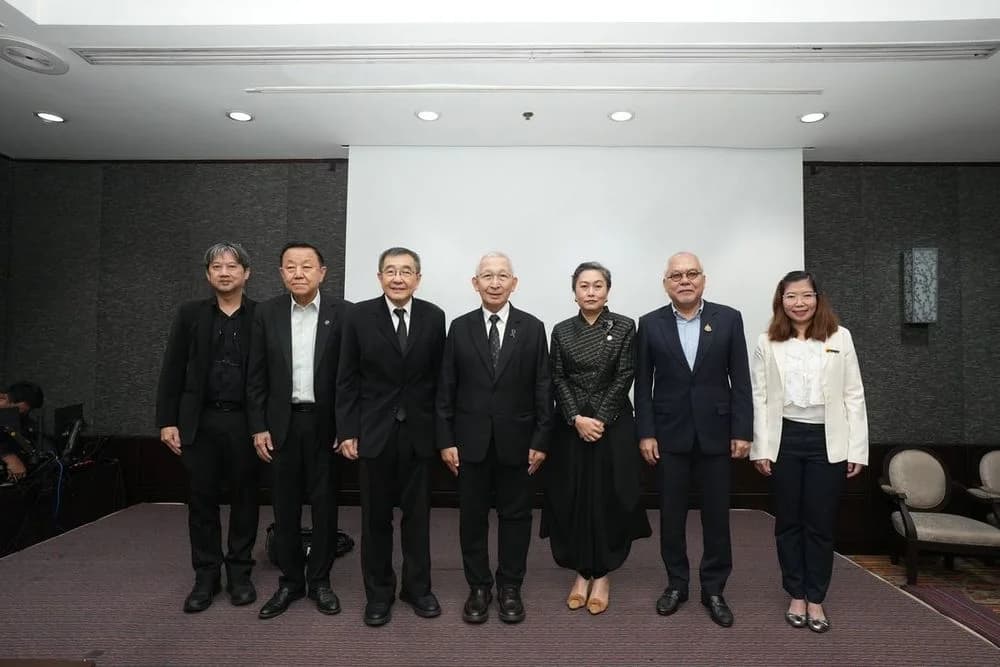

เมื่อวันที่ 7 เมษายน 2569 สภาอุตสาหกรรมแห่งประเทศไทย (ส.อ.ท.) ร่วมกับคณะแพทยศาสตร์ศิริราชพยาบาล และสำนักงานสภานโยบายการอุดมศึกษา วิทยาศาสตร์ วิจัยและนวัตกรรมแห่งชาติ (สอวช.) จัดประชุมหารือแนวทางผลักดัน “โปรแกรม Sandbox เครื่องมือแพทย์สำหรับผู้ประกอบการไทย” เพื่อสร้างความร่วมมือในการขับเคลื่อนอุตสาหกรรมไทยสู่กลุ่มอุตสาหกรรมมูลค่าสูง (High Value Industry) โดยมีนายสุพจน์ สุขพิศาล ประธานกิตติมศักดิ์กลุ่มฯ ชิ้นส่วนยานยนต์ และกรรมการ ส.อ.ท. นายสุธี ไตรวิวัฒน์วงศ์ ประธานกลุ่มฯ ผู้ผลิตเครื่องมือแพทย์ นางสาวยศรา ลิมป์ไพฑูรย์ กรรมการ ฝ่ายองค์กรระหว่างประเทศ กลุ่มฯ ชิ้นส่วนยานยนต์ นายนริศชา ต่อสุทธิ์กนก เลขาธิการกลุ่มฯ ผู้ผลิตเครื่องมือแพทย์ และ ดร.เจนกฤษณ์ คณาธารณา รองผู้อำนวยการใหญ่ และรักษาการ ผู้อำนวยการสถาบันนวัตกรรมเพื่ออุตสาหกรรม เข้าร่วม ณ ห้องประชุม 201 ชั้น 2 อาคารศรีสวรินทิรา โรงพยาบาลศิริราช
ที่ประชุมได้สะท้อนถึงความจำเป็นในการเร่งปรับตัวของผู้ประกอบการ SME ไทยกว่า 2,000 ราย ที่ได้รับผลกระทบจากการเปลี่ยนผ่านสู่อุตสาหกรรมยานยนต์ไฟฟ้า (EV) โดย ส.อ.ท. มองเห็นโอกาสในการนำทักษะด้านงานกล (Mechanical) ที่มีความเชี่ยวชาญ เช่น การปั๊มขึ้นรูปและการหล่อ มาประยุกต์ใช้ในการผลิตชิ้นส่วนเครื่องมือแพทย์ เพื่อลดการพึ่งพาการนำเข้า ซึ่งปัจจุบันประเทศไทยยังนำเข้าเครื่องมือแพทย์เทคโนโลยีขั้นสูงเกือบทั้งหมด
ด้าน สอวช. ได้นำเสนอแนวคิด “Medical Device Sandbox” ที่ครอบคลุมตั้งแต่การทดสอบความเป็นไปได้ (Feasibility) ไปจนถึงการผลิตเชิงพาณิชย์ (Commercialization) โดยมีกลไกสำคัญคือแพลตฟอร์มความร่วมมือ (Co-creation Platform) ที่เปิดโอกาสให้ผู้ผลิต แพทย์ และนักวิจัย ทำงานร่วมกันตั้งแต่ระยะเริ่มต้น เพื่อพัฒนาผลิตภัณฑ์ที่ตอบโจทย์การใช้งานจริง และสามารถแข่งขันในระดับสากล
ขณะที่คณะแพทยศาสตร์ศิริราชพยาบาล พร้อมทำหน้าที่เป็นศูนย์กลางในการทดสอบและรับรองทางคลินิก (Clinical Validation) โดยใช้ศักยภาพด้านข้อมูลการใช้งานจริงและจำนวนผู้ป่วย เพื่อสะท้อนความต้องการ (Demand-driven) ของภาคสาธารณสุขสู่ภาคอุตสาหกรรม
นอกจากนี้ ยังได้กำหนดให้สถาบันนวัตกรรมเพื่ออุตสาหกรรม (สนอ.) ภายใต้ ส.อ.ท. และศูนย์ Siriraj Excellent Innovation Center (SIEIC) ทำหน้าที่เป็นหน่วยประสานกลาง (Focal Point) ในการเชื่อมโยงความต้องการของแพทย์กับศักยภาพการผลิตของภาคเอกชนอย่างเป็นระบบ
ความร่วมมือครั้งนี้ถือเป็นจุดเริ่มต้นสำคัญในการเชื่อมโยงองค์ความรู้ทางการแพทย์กับภาคการผลิตของไทย โดยมุ่งพัฒนาผลิตภัณฑ์เป้าหมาย เช่น วัสดุฝังในร่างกาย (Implants) อุปกรณ์อิเล็กทรอนิกส์ทางการแพทย์ และหุ่นยนต์การแพทย์ เพื่อยกระดับประเทศไทยจาก “ผู้ใช้” สู่ “ผู้ผลิต” เทคโนโลยีทางการแพทย์ อันจะช่วยเพิ่มขีดความสามารถในการแข่งขัน และยกระดับการเข้าถึงบริการสาธารณสุขของประชาชนอย่างยั่งยืน
On April 7, 2026, the Federation of Thai Industries (FTI) in collaboration with the Faculty of Medicine Siriraj Hospital and the National Science, Technology and Innovation Policy Office (NSTDA) convened a meeting to discuss the implementation of the “Sandbox Program for Medical Devices for Thai Entrepreneurs” to foster cooperation in propelling the Thai industry towards a high-value industry segment. The meeting was attended by Mr. Supach Sukhpithan, Honorary President of the Automobile Parts Industry Group and FTI Board Member, Mr. Suthi Traivivatwong, President of the Medical Device Manufacturers Group, Ms. Yossara Limpaiphathurak, Committee Member of the International Organization Department of the Automobile Parts Industry Group, Mr. Naritsada Torsutthikanok, Secretary-General of the Medical Device Manufacturers Group, and Dr. Jangkrit Khanatharana, Deputy Director and Acting Director of the Innovation Institute for Industries, at Meeting Room 201, 2nd Floor, Si-Sawarinthira Building, Siriraj Hospital.
The meeting highlighted the urgent need for over 2,000 Thai SMEs that are affected by the transition to electric vehicle (EV) industry to adapt quickly. The FTI sees an opportunity to leverage existing mechanical skills, such as stamping and casting, to produce medical device components, thereby reducing reliance on imports as Thailand currently imports nearly all high-tech medical devices.
The NSTDA presented the concept of “Medical Device Sandbox,” encompassing everything from feasibility testing to commercialization. The key mechanism is the Co-creation Platform, which allows manufacturers, doctors, and researchers to collaborate from the early stages to develop products that meet real-world applications and are competitive on a global level.
Additionally, the Faculty of Medicine Siriraj Hospital will serve as a center for clinical validation, utilizing the potential of real-world usage data and patient numbers to reflect the demand-driven needs of the healthcare sector to the industry.
Furthermore, it was determined that the Innovation Institute for Industries (I2I) under the FTI and the Siriraj Excellent Innovation Center (SIEIC) will function as a focal point in systematically linking the needs of doctors with the production capabilities of the private sector.
This collaboration marks an important starting point in linking medical knowledge with Thailand's manufacturing sector, aiming to develop targeted products such as implants, medical electronics, and medical robotics. This will elevate Thailand from a “user” to a “producer” of medical technology, enhancing competitive capacity and improving sustainable access to public health services for the populace.