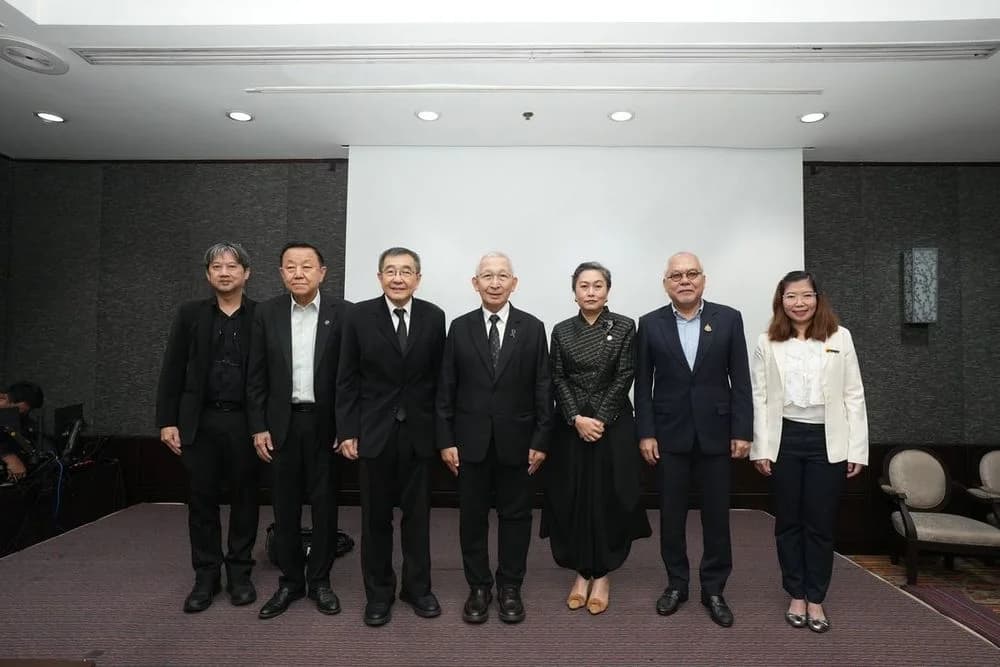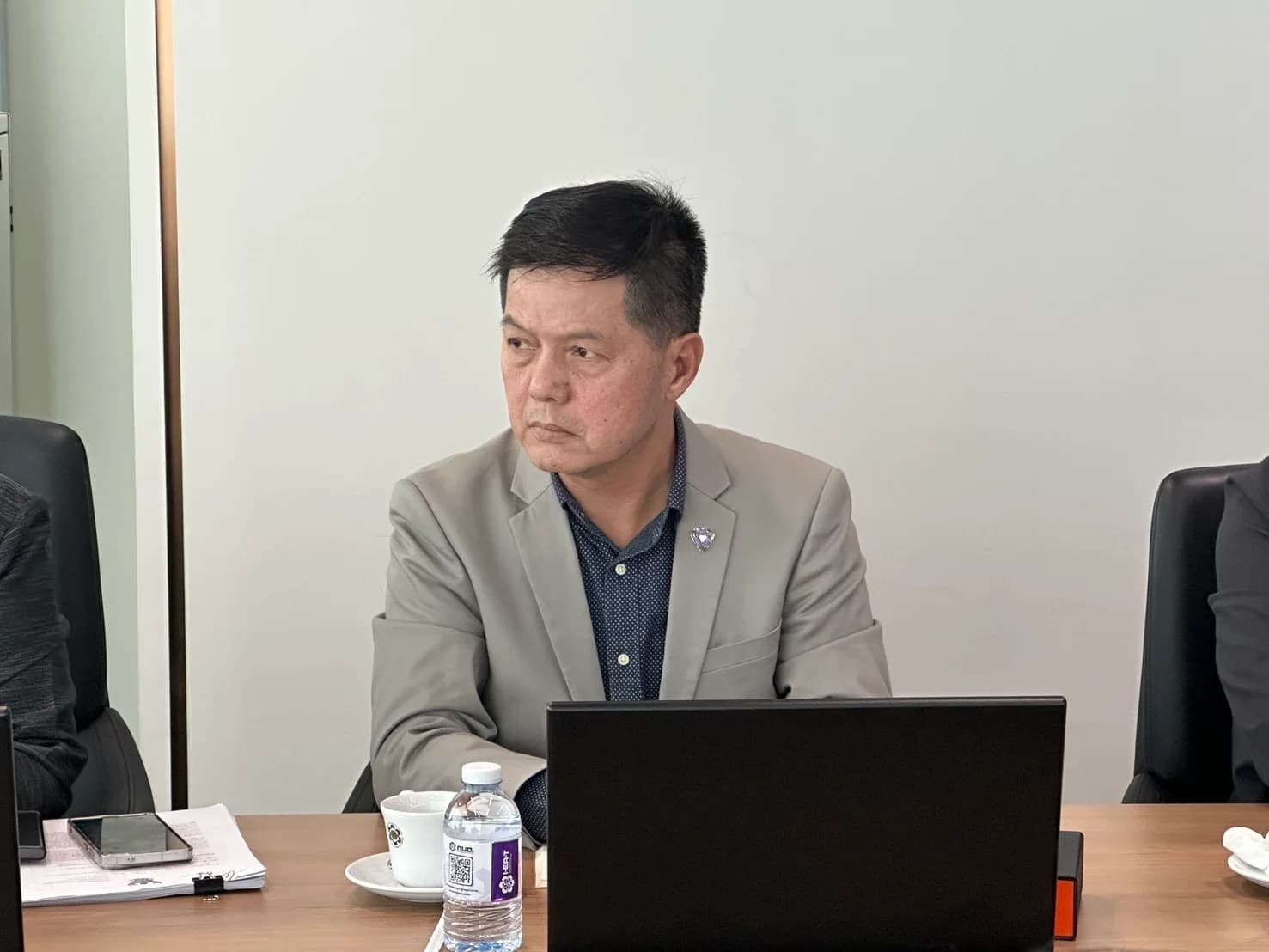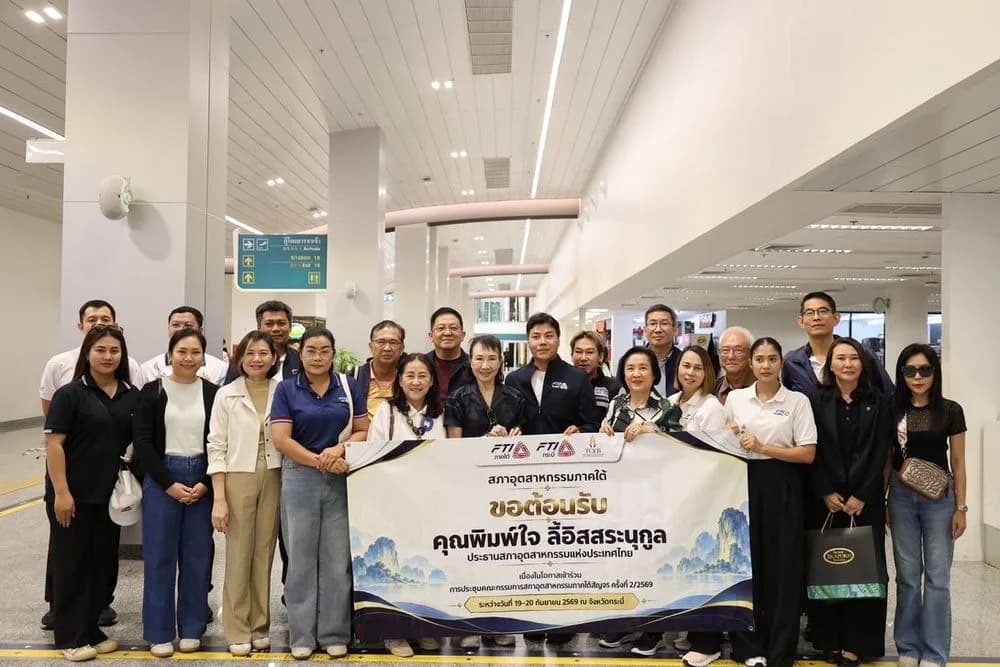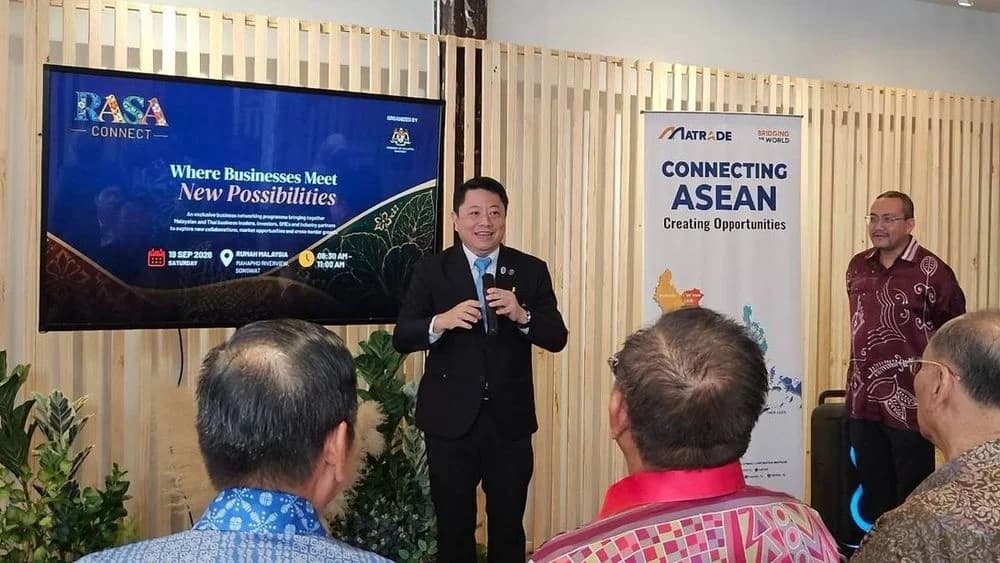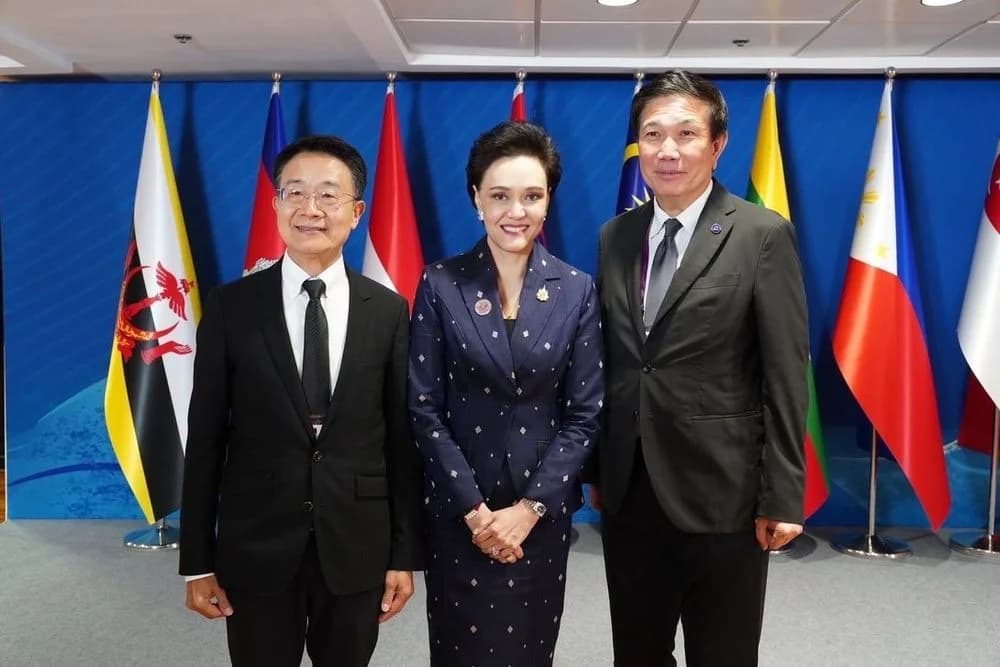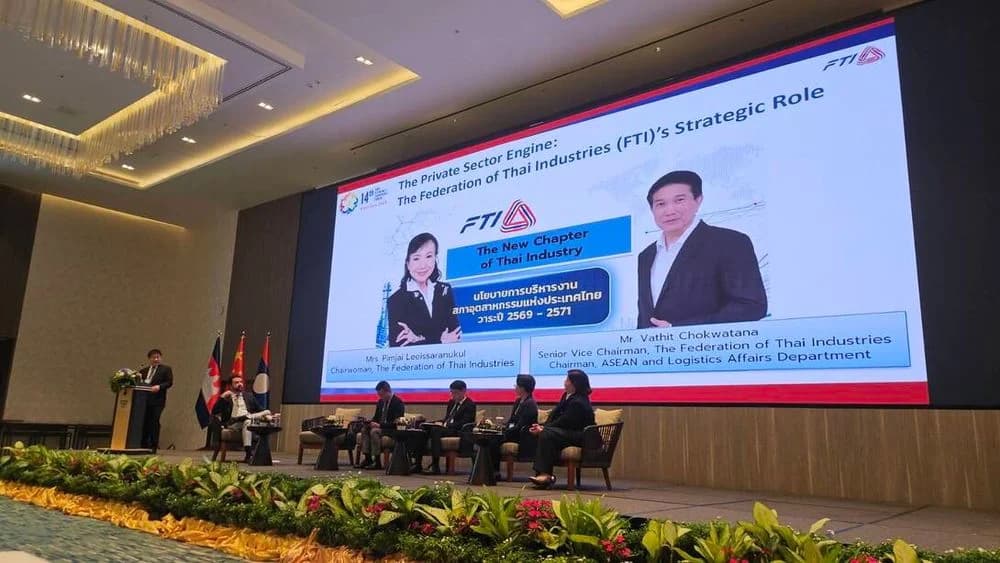
วันที่ 29 เมษายน 2569 ดร.วิรัช ฉัตรดรงค์ พร้อมด้วย นางบัญชุสา พุทธพรมงคล กรรมการสภาอุตสาหกรรมแห่งประเทศไทย (ส.อ.ท.) เป็นผู้แทน ให้การต้อนรับและหารือร่วมกับ Mr. Allen Ng หัวหน้าคณะวิจัยเศรษฐกิจมหภาคของภูมิภาคอาเซียน +3 (ASEAN+3 Macroeconomic Research Office :AMRO) และคณะฯ ณ ห้องประชุม 1012 ชั้น 10 ส.อ.ท.
การหารือครั้งนี้มีวัตถุประสงค์เพื่อรับฟังมุมมองจากภาคอุตสาหกรรมไทยต่อภาพรวมเศรษฐกิจ ความท้าทาย และผลกระทบที่เกิดขึ้นต่อภาคอุตสาหกรรมไทยในปัจจุบัน ซึ่งเป็นส่วนหนึ่งของการประเมินภาวะเศรษฐกิจประจำปีของประเทศไทย ทั้งในด้านโอกาสและความท้าทายที่ประเทศกำลังเผชิญอยู่
ในการนี้ ผู้แทน ส.อ.ท. ได้นำเสนอภาพรวมโครงสร้างเศรษฐกิจไทย โดยระบุว่า ผลิตภัณฑ์มวลรวมในประเทศ (GDP) ปี 2568 มีมูลค่ารวมประมาณ 18.98 ล้านล้านบาท ขณะที่การส่งออกยังคงเป็นกลไกหลักในการขับเคลื่อนเศรษฐกิจของประเทศ โดยอุตสาหกรรมส่งออกสำคัญ ได้แก่ กลุ่มเครื่องใช้ไฟฟ้า อิเล็กทรอนิกส์ และยานยนต์
ด้านการลงทุน ไทยมีอุตสาหกรรมเป้าหมายสำคัญ ได้แก่ ดิจิทัล อิเล็กทรอนิกส์อัจฉริยะ ยานยนต์สมัยใหม่ การแปรรูปอาหารและเกษตร ปิโตรเคมี และเคมีภัณฑ์ โดยในปี 2568 นักลงทุนต่างชาติ (FDI) อันดับ 1 ของไทย คือ สิงคโปร์ รองลงมาคือ จีน และญี่ปุ่น
นอกจากนี้ ยังได้สะท้อนผลกระทบจากความขัดแย้งในตะวันออกกลาง ซึ่งส่งผลโดยตรงต่อภาคอุตสาหกรรมไทย โดยเฉพาะราคาพลังงานที่ปรับตัวสูงขึ้น ทำให้ต้นทุนการผลิตและค่าขนส่งเพิ่มขึ้น ส่งผลต่อแรงกดดันด้านเงินเฟ้อและกำลังซื้อภายในประเทศที่ชะลอตัว
สำหรับกลุ่มธุรกิจที่ได้รับผลกระทบอย่างมีนัยสำคัญ ได้แก่ ภาคการส่งออก เช่น รถยนต์ ข้าว และอาหารกระป๋อง ภาคบริการ เช่น การท่องเที่ยว โรงแรม และสายการบิน รวมถึงอุตสาหกรรมที่ใช้พลังงานเข้มข้น เช่น โลจิสติกส์ ปิโตรเคมี และวัสดุก่อสร้าง เป็นต้น
On April 29, 2026, Dr. Wirach Chatrarong, along with Ms. Banchusa Phutphromongkol, a member of the Federation of Thai Industries (FTI), represented the organization to welcome and discuss with Mr. Allen Ng, Head of the ASEAN+3 Macroeconomic Research Office (AMRO) and his team at Meeting Room 1012, 10th floor, FTI.
The purpose of this discussion was to listen to perspectives from the Thai industrial sector regarding the overall economy, challenges, and impacts currently faced by the Thai industry, which is part of the annual economic assessment of Thailand, covering both opportunities and challenges the country is encountering.
In this regard, FTI representatives presented an overview of the Thai economic structure, indicating that the Gross Domestic Product (GDP) for 2025 totaled approximately 18.98 trillion baht, while exports continue to be a key mechanism driving the country's economy, with important export industries including electrical appliances, electronics, and automotive.
Regarding investment, Thailand targets key industries such as digital technology, smart electronics, modern automotive, food processing and agriculture, petrochemicals, and chemicals. In 2025, the top foreign direct investor (FDI) in Thailand was Singapore, followed by China and Japan.
Furthermore, the discussion reflected the impacts of the conflict in the Middle East, which has directly affected the Thai industrial sector, particularly with rising energy prices leading to increased production and transportation costs, putting pressure on inflation and domestic purchasing power.
Significantly affected business sectors include export sectors such as automobiles, rice, and canned food, service sectors like tourism, hotels, and airlines, as well as energy-intensive industries such as logistics, petrochemicals, and construction materials, among others.