
วันอังคารที่ 5 พฤษภาคม 2569 องค์การบริหารจัดการก๊าซเรือนกระจก (องค์การมหาชน) หรือ อบก. ร่วมกับ สำนักงานส่งเสริมวิสาหกิจขนาดกลางและขนาดย่อม (สสว.) และสภาอุตสาหกรรมแห่งประเทศไทย (ส.อ.ท.) จัดงานอบรมสัมมนา “การประเมิน CFP และระบบรับรองคาร์บอนฟุตพริ้นท์ของประเทศไทยให้กับ SME” ด้วยเครื่องหมายคาร์บอนฟุตพริ้นท์ของผลิตภัณฑ์ (Carbon Footprint of Product: CFP) ณ สถาบันเพื่อการยุติธรรมแห่งประเทศไทย (องค์การมหาชน)
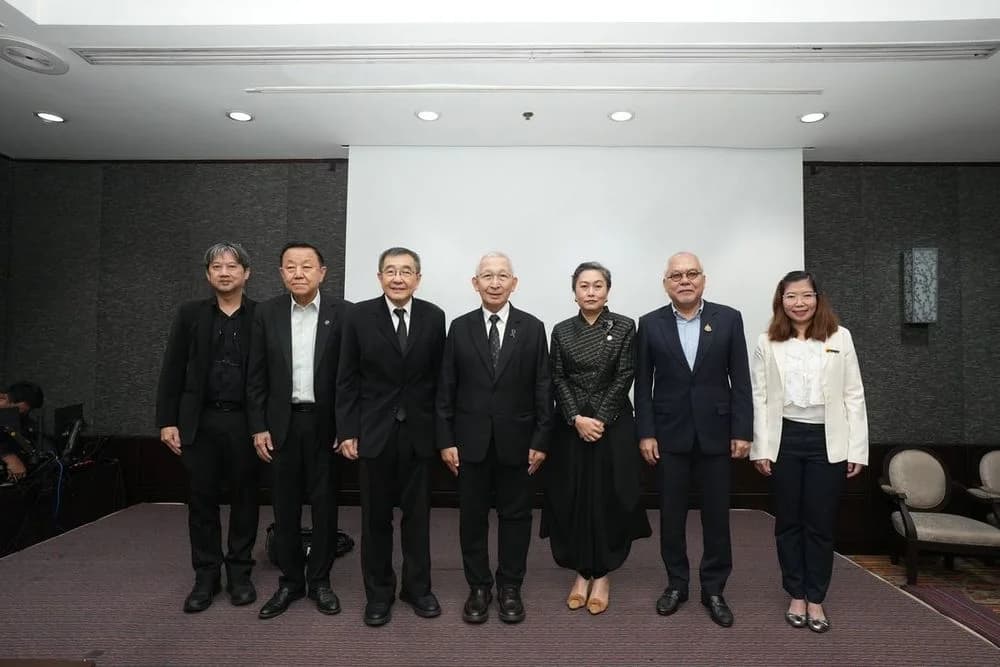
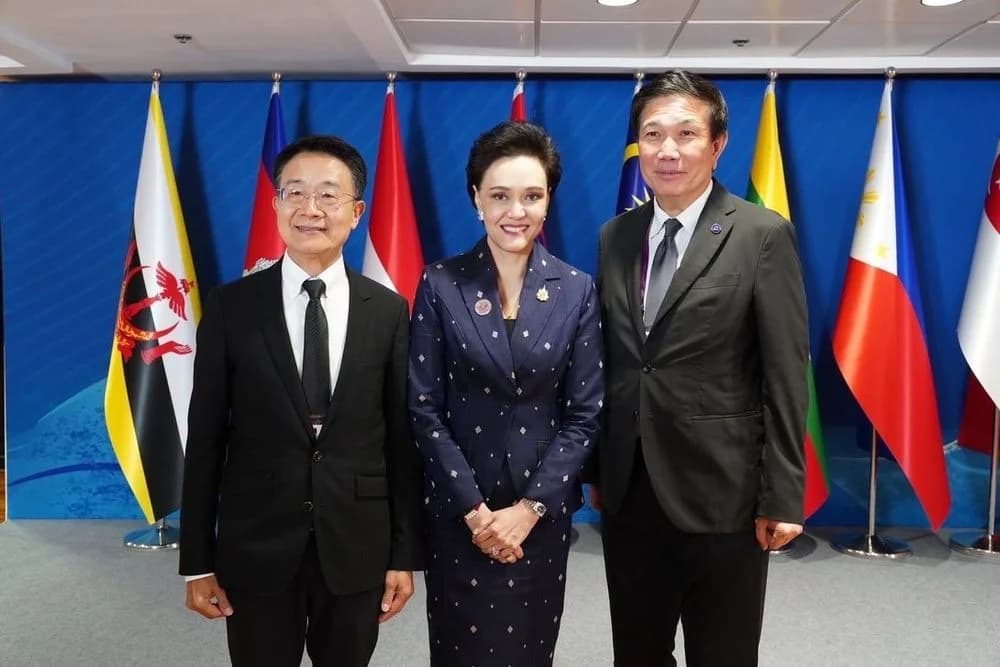
ภายในงานได้รับเกียรติจากผู้บริหารระดับสูงจาก 3 หน่วยงาน ได้แก่ นายณกรณ์ ตรรกวิรพัท ผู้อำนวยการองค์การบริหารจัดการก๊าซเรือนกระจก ดร.ปณิตา ชินวัตร รองผู้อำนวยการสำนักงาน รักษาการแทนผู้อำนวยการสำนักงานส่งเสริมวิสาหกิจขนาดกลางและขนาดย่อม และนางสาวพรรรัตน์ เพชรภักดี ผู้อำนวยการใหญ่ สภาอุตสาหกรรมแห่งประเทศไทย ร่วมกล่าวเปิดงานและแสดงวิสัยทัศน์ในการผลักดันผู้ประกอบการ SME ไทย ให้สามารถปรับตัวต่อมาตรฐานด้านสิ่งแวดล้อมและกติกาการค้าโลกยุคใหม่
นายณกรณ์ ตรรกวิรพัท ผู้อำนวยการองค์การบริหารจัดการก๊าซเรือนกระจก กล่าวว่า ปัจจุบันประเด็นด้านคาร์บอนและการเปลี่ยนแปลงสภาพภูมิอากาศ ได้กลายเป็นปัจจัยสำคัญต่อภาคการค้าและการลงทุนทั่วโลก โดยเฉพาะมาตรการด้านสิ่งแวดล้อมที่เชื่อมโยงกับการส่งออกและห่วงโซ่อุปทาน ผู้ประกอบการไทยจึงจำเป็นต้องเตรียมความพร้อมด้านข้อมูลการปล่อยก๊าซเรือนกระจก และการประเมินคาร์บอนฟุตพริ้นท์ของผลิตภัณฑ์ เพื่อรักษาความสามารถในการแข่งขันในอนาคต
ดร.ปณิตา ชินวัตร รักษาการแทนผู้อำนวยการสำนักงานส่งเสริมวิสาหกิจขนาดกลางและขนาดย่อม กล่าวว่า การสนับสนุน SME ไทยให้สามารถปรับตัวต่อมาตรฐานด้านสิ่งแวดล้อม ถือเป็นหนึ่งในกลไกสำคัญในการยกระดับศักยภาพธุรกิจไทย ทั้งในด้านการผลิต การเข้าถึงตลาด และการสร้างโอกาสใหม่ทางเศรษฐกิจอย่างยั่งยืน
นางสาวพรรรัตน์ เพชรภักดี ผู้อำนวยการใหญ่ สภาอุตสาหกรรมแห่งประเทศไทย กล่าวว่า การประเมิน Carbon Footprint of Product (CFP) ไม่ได้เป็นเพียงเครื่องมือด้านสิ่งแวดล้อม แต่กำลังกลายเป็น “เครื่องมือทางการแข่งขัน” ที่สำคัญของภาคอุตสาหกรรมไทยในยุคใหม่ โดยเฉพาะในบริบทของมาตรการทางการค้าระหว่างประเทศและ Green Supply Chain
ด้าน ดร.สนธยา กริชนวรักษ์ หัวหน้าโครงการ สภาอุตสาหกรรมแห่งประเทศไทย ได้กล่าวถึงความเป็นมาและวัตถุประสงค์ของโครงการว่า ปัจจุบันผู้ประกอบการ SME ไทยกำลังเผชิญความท้าทายจากแนวโน้มเศรษฐกิจโลกที่ให้ความสำคัญกับการลดการปล่อยก๊าซเรือนกระจก มาตรฐานด้านสิ่งแวดล้อม และข้อกำหนดด้านคาร์บอนในห่วงโซ่อุปทานมากขึ้น โครงการดังกล่าวจึงมีเป้าหมายในการเสริมสร้างองค์ความรู้ พัฒนาศักยภาพ และสนับสนุนผู้ประกอบการให้สามารถประเมินคาร์บอนฟุตพริ้นท์ของผลิตภัณฑ์ได้อย่างถูกต้อง เพื่อยกระดับความสามารถในการแข่งขันและเตรียมความพร้อมสู่เศรษฐกิจคาร์บอนต่ำในอนาคต ทั้งนี้ โครงการดังกล่าวมีเป้าหมายสำคัญในการผลักดันให้ผลิตภัณฑ์ของ SME ไทยอย่างน้อย 12 ผลิตภัณฑ์ ได้รับการรับรอง CFP รวมถึงพัฒนาศักยภาพบุคลากร SME กว่า 80 คน ให้มีความรู้ความเข้าใจด้านการประเมินคาร์บอนฟุตพริ้นท์และการเปลี่ยนแปลงสภาพภูมิอากาศ
หนึ่งในกิจกรรมสำคัญของงาน คือ “พิธีประกาศเจตนารมณ์ของผู้ประกอบการ SME” ซึ่งมีผู้ประกอบการจำนวน 15 องค์กร ร่วมแสดงความมุ่งมั่นในการขับเคลื่อนการลดการปล่อยก๊าซเรือนกระจก และยกระดับมาตรฐานการผลิตสู่เศรษฐกิจคาร์บอนต่ำอย่างเป็นรูปธรรม โดยผู้ประกอบการที่เข้าร่วมประกาศเจตนารมณ์ ประกอบด้วย
1. บริษัท เอดับบลิวดี อินเตอร์ กรุ๊ป จำกัด
2. บริษัท บีเอ็นเอส อุตสาหกรรมไม้ จำกัด
3. บริษัท ซีไอจี บลูโซลูชั่นส์ จำกัด
4. บริษัท ดี.ซี.แอล. พลาสติก จำกัด
5. บริษัท แกรนดี้อินเตอร์เทรด จำกัด
6. บริษัท แจมไนน์ จำกัด
7. บริษัท โคเซล (ประเทศไทย) จำกัด
8. บริษัท เมกก้าคลีน โปรดักส์ จำกัด
9. บริษัท แม่กลองคอนกรีต จำกัด
10. บริษัท สหศิลป์ รีเวทอินดัสเทรียล จำกัด
11. บริษัท วาสเซอร์แคร์ จำกัด
12. บริษัท เวิลด์เพ็ท อินเตอร์เนชั่นแนล จำกัด
13. บริษัท แสงชัยอินโนเวชั่น จำกัด
14. บริษัท สินเจริญ วีเนียร์ แอนด์ พลายวู้ด จำกัด
15. บริษัท อุตสาหกรรมสเตนเลสเคหภัณฑ์ จำกัด
ภายในงานยังมีการบรรยายและฝึกเชิงปฏิบัติด้านการประเมินคาร์บอนฟุตพริ้นท์ของผลิตภัณฑ์ ครอบคลุมตั้งแต่แนวคิดพื้นฐาน ขั้นตอนการประเมิน การเก็บข้อมูล การคำนวณ การทวนสอบ ตลอดจนแนวทางลดการปล่อยก๊าซเรือนกระจกจากกระบวนการผลิต โดยผู้เชี่ยวชาญจากสถาบันการเปลี่ยนแปลงสภาพภูมิอากาศ สภาอุตสาหกรรมแห่งประเทศไทย เพื่อให้ผู้ประกอบการสามารถนำไปประยุกต์ใช้ได้จริงในการประเมินคาร์บอนฟุตพริ้นท์ในผลิตภัณฑ์ที่องค์กรผลิตขึ้นต่อไป
ความร่วมมือระหว่าง อบก. สสว. และ ส.อ.ท. ในครั้งนี้ ถือเป็นอีกก้าวสำคัญในการรวมพลังภาครัฐ
และภาคเอกชน เพื่อยกระดับ SME ไทยสู่เศรษฐกิจคาร์บอนต่ำ เพิ่มขีดความสามารถในการแข่งขัน และสร้างการเติบโตอย่างยั่งยืนในระยะยาวต่อไป
On Tuesday, May 5, 2026, the Office of Greenhouse Gas Management (Public Organization) or OGCG, in collaboration with the Office of Small and Medium Enterprises Promotion (OSMEP) and the Federation of Thai Industries (FTI), organized a seminar titled “Assessment of CFP and Certification of Carbon Footprint of Products in Thailand for SMEs” featuring the Carbon Footprint of Product (CFP) at the Institute for Justice of Thailand (Public Organization).
The event was honored by the presence of senior executives from the three organizations, including Mr. Nakhon Trakvirapat, Director of OGCG; Dr. Panita Chinawatr, Acting Deputy Director of OSMEP; and Ms. Pannarat Phetphakdee, Director-General of FTI, who delivered opening remarks and visions to push Thai SMEs to adapt to environmental standards and the new rules of global trade.
Mr. Nakhon Trakvirapat, Director of OGCG, stated that the issues of carbon and climate change have become vital factors for trade and investment globally, especially with environmental measures related to exports and supply chains. Therefore, Thai entrepreneurs must prepare data on greenhouse gas emissions and conduct assessments of product carbon footprints to maintain competitive capabilities in the future.
Dr. Panita Chinawatr, Acting Deputy Director of OSMEP, commented that supporting Thai SMEs to adapt to environmental standards is a crucial mechanism for enhancing the potential of Thai businesses in production, market access, and creating new sustainable economic opportunities.
Ms. Pannarat Phetphakdee, Director-General of FTI, mentioned that the assessment of the Carbon Footprint of Product (CFP) is not only an environmental tool but is also becoming an important “competitive tool” for the Thai industrial sector in the new era, particularly in the context of international trade measures and the Green Supply Chain.
Dr. Sonthaya Krichanurak, Project Leader of FTI, discussed the background and objectives of the project, stating that Thai SMEs are currently facing challenges due to the global economic trend prioritizing reduced greenhouse gas emissions, environmental standards, and carbon regulations in supply chains. Therefore, the project aims to enhance knowledge, develop capabilities, and support entrepreneurs in accurately assessing the carbon footprint of their products, thereby improving competitiveness and preparing for a low-carbon economy in the future. The project aims to promote at least 12 SME products to receive CFP certification and to enhance the capabilities of over 80 SME personnel in understanding carbon footprint assessment and climate change.
One important activity of the event was the “Declaration of Intent by SME Entrepreneurs,” where 15 enterprises expressed their commitment to reducing greenhouse gas emissions and elevating production standards towards a tangible low-carbon economy. The participating enterprises include:
1. AWD International Group Co., Ltd.
2. BNS Wood Industry Co., Ltd.
3. CIG Blue Solutions Co., Ltd.
4. DCL Plastic Co., Ltd.
5. Grandy Intertrade Co., Ltd.
6. Jamnine Co., Ltd.
7. Kosel (Thailand) Co., Ltd.
8. Mega Clean Products Co., Ltd.
9. Maeklong Concrete Co., Ltd.
10. Sahasilp Revet Industrial Co., Ltd.
11. Wasser Care Co., Ltd.
12. World Pet International Co., Ltd.
13. Sangchai Innovation Co., Ltd.
14. Sinjaroen Veneer and Plywood Co., Ltd.
15. Stainless Home Industry Co., Ltd.
The event also featured lectures and hands-on training on product carbon footprint assessment, covering fundamental concepts, assessment procedures, data collection, calculations, verification, and strategies to reduce greenhouse gas emissions from production processes, led by experts from the Climate Change Institute, Federation of Thai Industries, to enable entrepreneurs to apply the knowledge in assessing the carbon footprint of their products.
This collaboration among OGCG, OSMEP, and FTI marks another significant step in uniting the government and the private sector to elevate Thai SMEs towards a low-carbon economy, enhance competitiveness, and create sustainable growth in the long term.