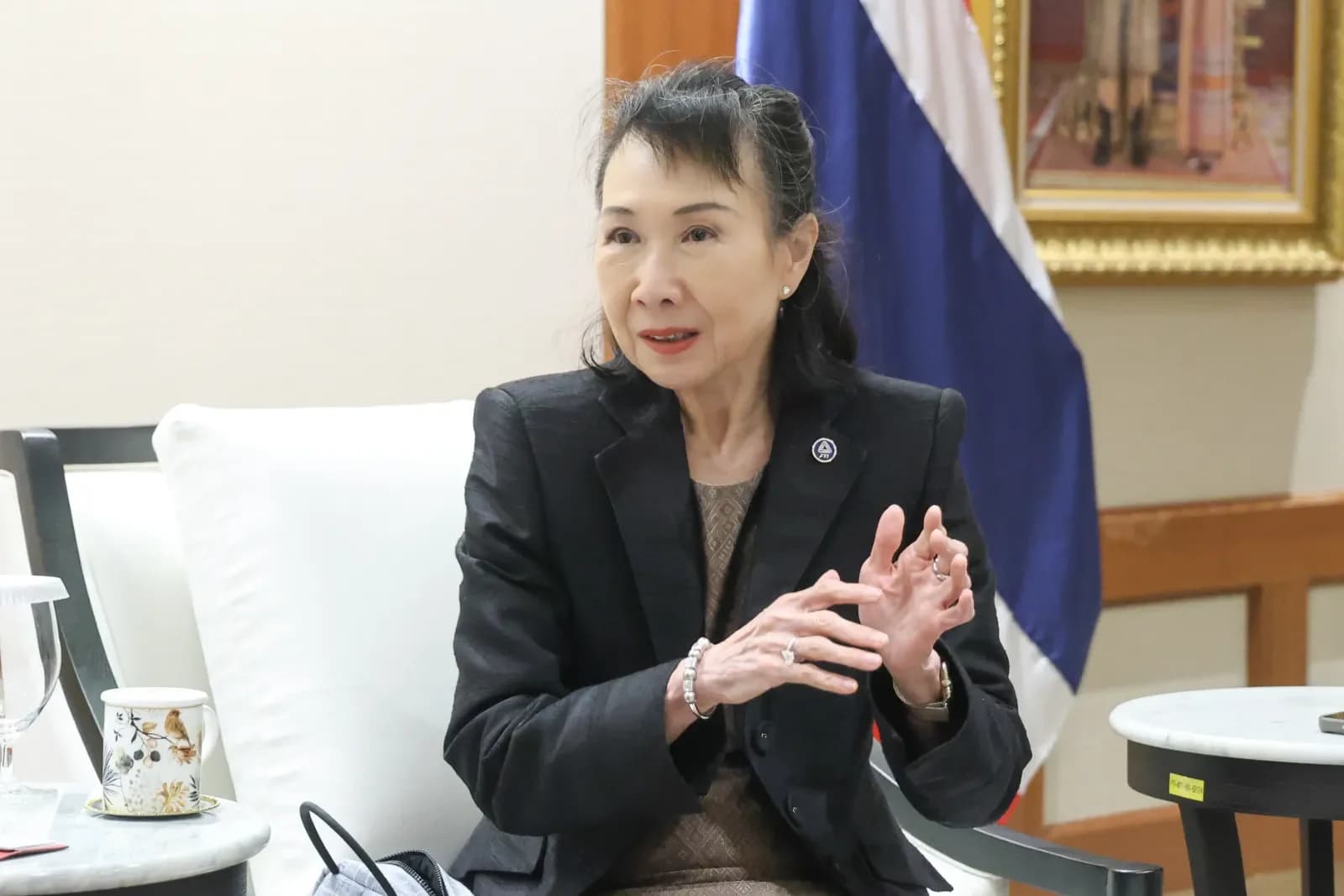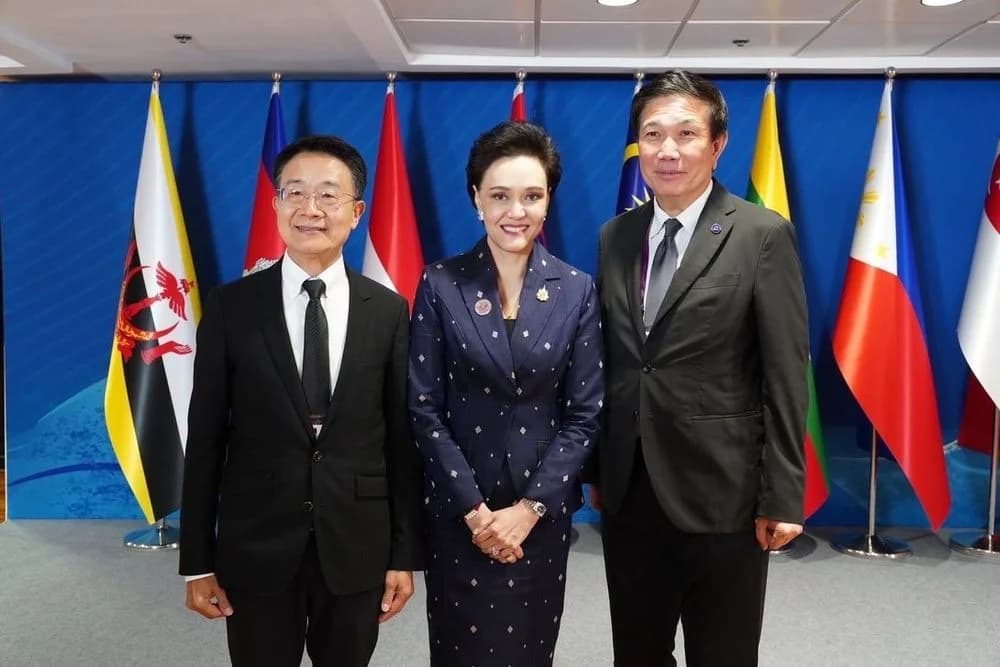

เมื่อวันพุธที่ 20 พฤษภาคม 2569 นางพิมพ์ใจ ลี้อิสสระนุกูล ประธานสภาอุตสาหกรรมแห่งประเทศไทย (ส.อ.ท.) พร้อมด้วยคณะผู้บริหาร ให้การต้อนรับ ดร.ธนิต โสรัตน์ ประธานกรรมการสภาที่ปรึกษาเพื่อพัฒนาแรงงานแห่งชาติ ชุดที่ 21 และคณะ เนื่องในโอกาสร่วมแสดงความยินดีแก่นางพิมพ์ใจ ลี้อิสสระนุกูล ที่ได้รับเลือกให้ดำรงตำแหน่งประธาน ส.อ.ท. วาระปี 2569-2571 พร้อมหารือแนวทางความร่วมมือด้านยุทธศาสตร์แรงงาน เพื่อยกระดับขีดความสามารถในการแข่งขันของภาคอุตสาหกรรมไทย ณ ห้องประชุม PASSION (802) ส.อ.ท.
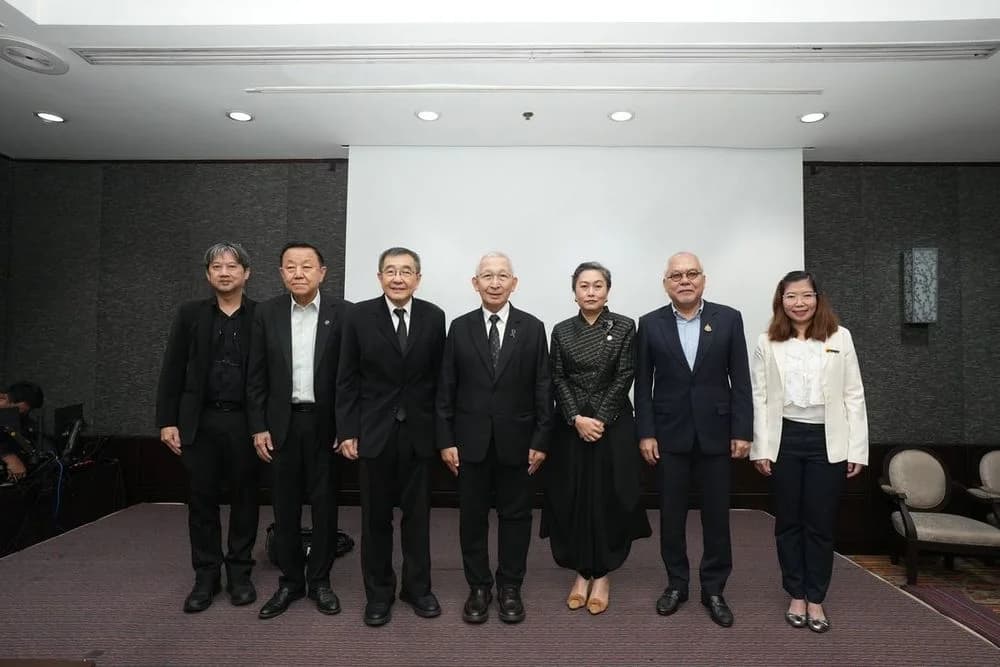
ในที่ประชุม มีคณะผู้บริหารและผู้อำนวยการเข้าร่วม ประกอบด้วย นายสุชาติ จันทนาคราช รองประธานส.อ.ท. นายปณิธาน ปวโรฬารวิทยา เลขาธิการ ส.อ.ท. นายธนวัฒน์ จิตบรรเทิงพันธ์ กรรมการสายงานอาเซียนและโลจิสติกส์ นางสาวพรรรัตน์ เพชรภักดี ผู้อำนวยการใหญ่ ส.อ.ท. และนายรุ่งเรือง สายพวรรณ์ ผู้อำนวยการสถาบันเสริมสร้างขีดความสามารถมนุษย์ ให้การต้อนรับ
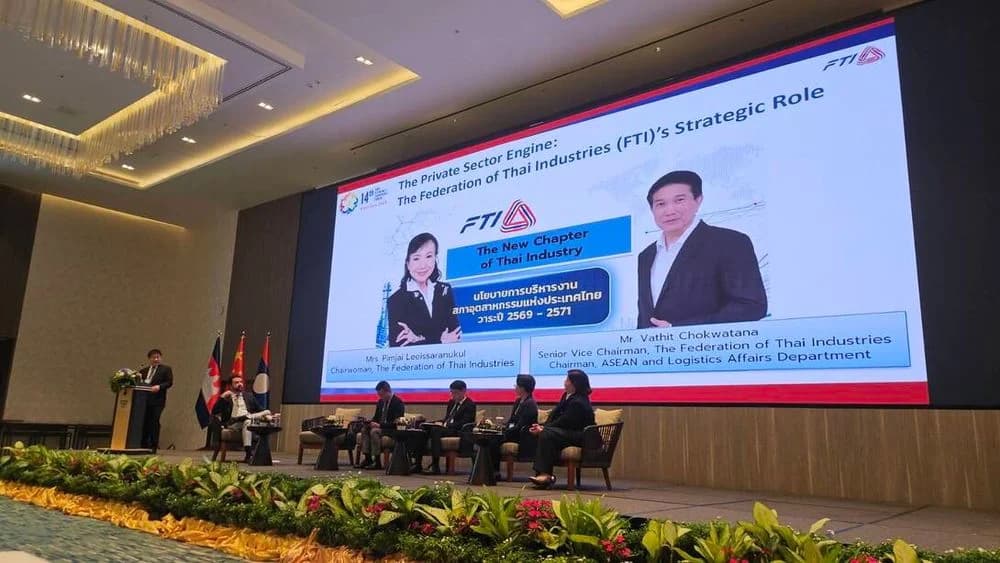
นางพิมพ์ใจ เปิดเผยถึงทิศทางการขับเคลื่อนอุตสาหกรรมไทยภายใต้วิสัยทัศน์ “The New Chapter of Thai Industry” สำหรับวาระปี 2569-2571 โดยระบุว่า อุตสาหกรรมไทยจำเป็นต้องเปิดหน้าใหม่เพื่อรับมือกับความเปลี่ยนแปลงทางภูมิรัฐศาสตร์และเศรษฐกิจ ผ่านการดำเนินยุทธศาสตร์หลักที่เรียกว่า 5I ประกอบด้วย
I1-Intelligent Industry
I2-Innovation & Creative Industry
I3-International Alliance & Network
I4-Industrial Infrastructure และ
I5-Inclusive & Sustainable Growth
เพื่อมุ่งสร้างความยืดหยุ่น ความยั่งยืน ตลอดจนการปฏิรูปโครงสร้างพื้นฐานอุตสาหกรรมและการบริหารจัดการแรงงานอย่างเป็นระบบ โดยมี “ทุนมนุษย์” เป็นหัวใจสำคัญ อีกทั้งยังมีความพร้อมในการสนับสนุนนโยบาย Pay by Skill หรือการจ้างงานตามมาตรฐานฝีมือแรงงาน (National Skill Standard) ควบคู่กับการนำเทคโนโลยี AI และ Robotics มาใช้ยกระดับอุตสาหกรรมสู่ Smart Industry
นายสุชาติ เน้นย้ำถึงความจำเป็นในการปฏิรูปโครงสร้างการบริหารจัดการแรงงานของประเทศ เพื่อเพิ่มขีดความสามารถในการแข่งขัน โดยเฉพาะแรงงานต่างด้าวในกลุ่มงาน 3D (Dirty, Dangerous, Difficult) ซึ่งแรงงานไทยไม่นิยมทำ โดยสภาอุตสาหกรรมแห่งประเทศไทยได้เสนอให้หน่วยงานที่เกี่ยวข้องปรับปรุงกฎหมายและข้อกำหนดเกี่ยวกับการนำเข้าและการจ้างงานแรงงานต่างด้าวให้มีประสิทธิภาพมากยิ่งขึ้น เนื่องจากปัจจุบันแรงงานยังไม่เพียงพอต่อความต้องการของภาคอุตสาหกรรม โดยมีวัตถุประสงค์เพื่อช่วยเหลือผู้ประกอบการ โดยเฉพาะกลุ่ม SME
ทั้งนี้ ในระยะยาว ส.อ.ท. เห็นว่าการเจรจากับประเทศต้นทางเพื่อปรับปรุงบันทึกข้อตกลง (MOU) อาจยังไม่เพียงพอ จึงเสนอให้มีการขยายกรอบความร่วมมือกับประเทศเพิ่มเติม เช่น ศรีลังกา อินโดนีเซีย และบังกลาเทศ เป็นต้น
ในประเด็นด้านการส่งเสริมการจ้างงานผู้สูงวัย ทั้งสองหน่วยงานเห็นพ้องในการผลักดันมาตรการจูงใจนายจ้าง อาทิ การเสนอให้หักลดหย่อนภาษีได้ 2-3 เท่า และการปรับปรุงกฎหมายให้รองรับการจ้างงานในรูปแบบที่ยืดหยุ่นหรือการจ้างงานรายชั่วโมง พร้อมมุ่งเน้นการพัฒนาทักษะทั้ง Upskill และ Reskill เพื่อให้แรงงานสูงวัยที่มีประสบการณ์สามารถปรับตัวเข้ากับเทคโนโลยีสมัยใหม่ และทำงานร่วมกับระบบอัตโนมัติได้อย่างมีประสิทธิภาพ อีกทั้งในประเด็นข้อมูล Big Data ด้านผู้สูงวัย ยังจำเป็นต้องขอความร่วมมือจากหน่วยงานที่เกี่ยวข้องต่อไป
นอกจากนี้ ประเด็นแรงงานผู้พ้นโทษยังได้รับการหยิบยกขึ้นหารือมากยิ่งขึ้น โดยในแต่ละปีมีผู้พ้นโทษออกจากเรือนจำประมาณ 100,000 คน ซึ่งในจำนวนนี้กว่าร้อยละ 80 เป็นผู้ต้องขังคดียาเสพติด
อย่างไรก็ตาม อุปสรรคสำคัญที่ทำให้บุคคลเหล่านี้ไม่สามารถเข้าสู่ตลาดแรงงานได้ คือ ความกังวลด้านความน่าเชื่อถือของนายจ้าง การถูกตีตราทางสังคม รวมถึงการขาดทักษะและที่อยู่อาศัยที่มั่นคง ซึ่งหากไม่สามารถแก้ไขปัญหาการมีงานทำได้อย่างยั่งยืน อาจนำไปสู่ปัญหาการกระทำผิดซ้ำที่สร้างต้นทุนทางเศรษฐกิจสูงกว่าในระยะยาว
ทั้งนี้ ส.อ.ท. เห็นว่ากรมราชทัณฑ์ควรมีบทบาทสำคัญในการปรับเปลี่ยนมุมมองของผู้พ้นโทษและผู้ประกอบการ ผ่านความร่วมมือกับภาคเอกชน โดย ส.อ.ท. ยินดีเข้ามามีส่วนร่วมในการสร้างความเข้าใจและเปิดโอกาสให้ผู้พ้นโทษสามารถกลับเข้าสู่ระบบการจ้างงานได้อย่างเหมาะสม พร้อมเสนอแนวทางการพัฒนา Social Enterprise หรือโรงงานต้นแบบสำหรับการจ้างงานผู้พ้นโทษโดยเฉพาะ รวมถึงการกำหนดมาตรฐานฝีมือแรงงานและการออกใบรับรอง (Certificate) เพื่อสร้างความเชื่อมั่นแก่ภาคเอกชนในการรับแรงงานกลุ่มดังกล่าวเข้าทำงาน
ด้าน ดร.ธนิต เห็นพ้องกับวิสัยทัศน์ของประธาน ส.อ.ท. และเห็นว่ายุทธศาสตร์ดังกล่าวจะเป็นประโยชน์อย่างยิ่งต่อการพัฒนาภาคอุตสาหกรรมไทย พร้อมมองว่า ส.อ ท. เป็นหน่วยงานที่มีศักยภาพในการขับเคลื่อนนโยบายด้านแรงงานอย่างเป็นรูปธรรม
พร้อมกันนี้ ได้เชิญชวน ส.อ.ท. เข้ามามีส่วนร่วมในโครงการสำรวจความต้องการแรงงานต่างด้าวใน 48 กลุ่มอุตสาหกรรม เพื่อจัดทำฐานข้อมูล Big Data ที่ชัดเจน สำหรับใช้วางแผนยุทธศาสตร์แรงงานของประเทศในระยะ 5-10 ปีข้างหน้า
อีกทั้งในประเด็นแรงงานผู้พ้นโทษ ยังมีความเห็นสอดคล้องกับ ส.อ.ท. โดยเสนอให้มีการจัดเวทีหารือร่วมกันระหว่างสภาที่ปรึกษาเพื่อพัฒนาแรงงานแห่งชาติ สภาอุตสาหกรรมแห่งประเทศไทย (ส.อ.ท.) สภาหอการค้าแห่งประเทศไทย และกระทรวงยุติธรรม เพื่อส่งเสริมให้ผู้พ้นโทษที่มีทักษะฝีมือเข้าสู่ตลาดแรงงานภาคอุตสาหกรรมได้อย่างเป็นรูปธรรม พร้อมเน้นย้ำถึงความสำคัญของการออกใบรับรองมาตรฐานฝีมือแรงงาน (Certificate) เพื่อสร้างความเชื่อมั่นแก่ภาคเอกชนในการจ้างงานต่อไป
On Wednesday, May 20, 2026, Ms. Pimjai Leeissaranukul, Chairperson of the Federation of Thai Industries (FTI), along with the executive team, welcomed Dr. Thanit Sorat, Chair of the National Labor Development Advisory Council, Committee 21, on the occasion of congratulating Ms. Pimjai Leeissaranukul on her election as the FTI Chairperson for the term 2026-2028. They also discussed collaborative approaches to labor strategies to enhance the competitiveness of the Thai industrial sector at the PASSION meeting room (802) of FTI.
During the meeting, executives and directors participated, including Mr. Suchart Jantanakharach, FTI Vice Chairperson; Mr. Panithan Pawarolwattana, Secretary-General of FTI; Mr. Thanawat Jitbanterngpan, Committee Member of ASEAN and Logistics; Ms. Pharnrat Pechpakdee, Director General of FTI; and Mr. Rungroeng Saiphuwan, Director of the Human Capability Development Institute, who welcomed the guests.
Ms. Phimjai revealed the direction for driving the Thai industry under the vision of “The New Chapter of Thai Industry” for the term 2026-2028, stating that the Thai industry needs to turn a new page to cope with geopolitical and economic changes through the implementation of key strategies known as 5I, which consists of:
I1-Intelligent Industry
I2-Innovation & Creative Industry
I3-International Alliance & Network
I4-Industrial Infrastructure and
I5-Inclusive & Sustainable Growth
These strategies aim to create resilience, sustainability, as well as to reform the industrial infrastructure and labor management systematically, with “human capital” being the core. Additionally, it includes readiness to support the Pay by Skill policy or employment according to National Skill Standards, alongside the integration of AI and Robotics technology to elevate the industry to Smart Industry.
Mr. Suchart emphasized the necessity for reforming the labor management structure in the country to enhance competitiveness, particularly concerning foreign labor in the 3D jobs (Dirty, Dangerous, Difficult), which Thai workers tend to avoid. The Federation of Thai Industries has proposed that relevant agencies improve laws and regulations related to the import and employment of foreign labor to become more efficient, as the current labor force is insufficient to meet the demands of the industrial sector, with the goal of assisting entrepreneurs, especially SMEs.
In the long term, FTI believes that negotiating with the source countries to improve memorandums of understanding (MOUs) may not suffice. Thus, they propose expanding cooperation frameworks with additional countries, such as Sri Lanka, Indonesia, and Bangladesh.
Regarding the promotion of employment for the elderly, both organizations concurred on promoting incentive measures for employers, such as proposing a tax deduction of 2-3 times and improving laws to accommodate flexible employment or hourly work. They also aimed to focus on developing skills through both upskilling and reskilling to ensure that experienced elderly workers can adapt to modern technologies and work efficiently alongside automation. Moreover, regarding the Big Data aspect for the elderly, continued cooperation with relevant agencies is necessary.
Furthermore, the topic of reintegrating ex-offenders into the workforce was discussed more extensively. Each year, approximately 100,000 inmates are released from prisons, with over 80 percent of them being drug-related offenders.
However, significant barriers preventing these individuals from re-entering the labor market include concerns about employer trustworthiness, social stigma, and lack of skills and stable housing. If the issue of sustainable employment cannot be resolved, it may lead to problems of recidivism that create higher economic costs in the long term.
FTI believes that the Department of Corrections should play a crucial role in changing the perspectives of ex-offenders and employers through collaboration with the private sector. FTI is willing to participate in fostering understanding and creating opportunities for ex-offenders to return to the labor market appropriately, proposing the development of Social Enterprises or model factories specifically for employing ex-offenders, including setting standards for skill certification to instill confidence in the private sector regarding employing this group of individuals.
Dr. Thanit agreed with the vision of the FTI Chairperson and acknowledged that such strategies would greatly benefit the development of the Thai industrial sector, viewing FTI as a capable agency to concretely drive labor policies.
Additionally, he invited FTI to participate in a project to survey the demand for foreign labor across 48 industrial sectors to create a clear Big Data database for use in strategizing national labor policies over the next 5-10 years.
Moreover, concerning the topic of ex-offenders, there was a consensus with FTI on the need to organize a collaborative forum involving the National Labor Development Advisory Council, the Federation of Thai Industries (FTI), the Board of Trade of Thailand, and the Ministry of Justice to promote skilled ex-offenders entering the industrial labor market effectively, emphasizing the importance of issuing skill certification to assure confidence in the private sector for future employment.