
ส.อ.ท. เสนอเปลี่ยน “กำลังซื้อของประเทศ” ให้เป็น “คำสั่งซื้อของผู้ผลิตไทย” ชงเพิ่มสัดส่วนจัดซื้อสินค้า Made in Thailand (MiT) ไม่น้อยกว่า 40% ของวงเงิน 200,000 ล้านบาท พร้อม 5 ยุทธศาสตร์เชื่อมตลาด–เงินทุน–ดิจิทัล–จัดซื้อภาครัฐ หวังสร้างตลาดให้ SMEs รักษาฐานการผลิต การจ้างงาน และทำให้เม็ดเงินหมุนเวียนอยู่ในเศรษฐกิจไทยมากขึ้น
ท่ามกลางแรงกดดันจากต้นทุนการผลิต การแข่งขันด้านราคา และสินค้านำเข้าที่มีความเข้มข้นขึ้น โจทย์สำคัญของผู้ประกอบการไทยในเวลานี้จึงไม่ใช่เพียงการ “ผลิตให้ได้” แต่ต้อง “มีตลาดให้ขาย” และมีคำสั่งซื้อเพียงพอที่จะทำให้ธุรกิจเดินหน้าต่อได้
สภาอุตสาหกรรมแห่งประเทศไทย (ส.อ.ท.) จึงเสนอให้ภาครัฐและภาคเอกชนเร่งขับเคลื่อน “Buy Thai – Made in Thailand” จากแนวคิดส่งเสริมการใช้สินค้าไทย ไปสู่การเป็นกลไกสร้างตลาดให้ผู้ผลิตไทยอย่างเป็นระบบ โดยเฉพาะการใช้กำลังซื้อภาครัฐเป็นแรงส่งสำคัญในการสร้างอุปสงค์ให้กับภาคการผลิต
หนึ่งในข้อเสนอหลัก คือการผลักดันให้ภาครัฐเพิ่มการจัดซื้อจัดจ้างสินค้า Made in Thailand (MiT) ไม่น้อยกว่า 40% ของวงเงิน 200,000 ล้านบาท เพื่อเปลี่ยนกำลังซื้อภาครัฐให้เป็นคำสั่งซื้อของผู้ผลิตไทยและ SMEs โดยตรง ซึ่งจะช่วยสร้างรายได้ให้กับธุรกิจ เกิดการผลิตต่อเนื่อง และทำให้เม็ดเงินหมุนเวียนกลับเข้าสู่ระบบเศรษฐกิจและการจ้างงานภายในประเทศ
อย่างไรก็ตาม ส.อ.ท. มองว่าการสร้างตลาดเพียงอย่างเดียวไม่เพียงพอ จึงเสนอ 5 ยุทธศาสตร์เร่งด่วน ที่ต้องเดินหน้าไปพร้อมกัน ตั้งแต่ตลาด เงินทุน ไปจนถึงการเปลี่ยนผ่านสู่เศรษฐกิจดิจิทัล ได้แก่
1. เร่งขยายตลาด Made in Thailand (MiT)
ผลักดันการจัดซื้อจัดจ้างสินค้าไทยของภาครัฐไม่น้อยกว่า 40% ของวงเงิน 200,000 ล้านบาท พร้อมพิจารณามาตรการจูงใจทางภาษีเพื่อส่งเสริมให้ภาคเอกชนเพิ่มการใช้สินค้าไทย และเชื่อมโยงผู้ผลิตไทยเข้าสู่ห่วงโซ่อุปทานทั้งในประเทศและระดับโลก
2. ขับเคลื่อน Buy Thai ให้เกิด “กำลังซื้อ” จริง
การมีสินค้าไทยที่ดีต้องมาพร้อมช่องทางที่เข้าถึงผู้บริโภคได้ง่าย ส.อ.ท. เสนอการผนึกกำลังระหว่างภาครัฐ ภาคเอกชน Modern Trade และ Online Platform เพื่อขยายช่องทางจำหน่ายและกิจกรรมส่งเสริมการขาย ควบคู่กับการยกระดับมาตรฐานสินค้าและระบบ Traceability เพื่อสร้างความเชื่อมั่นให้ผู้บริโภค และเพิ่มความสามารถในการแข่งขันของสินค้าไทย
3. เพิ่มโอกาส SMEs เข้าถึงแหล่งเงินทุน
ปัญหาของ SMEs ไม่ได้อยู่ที่ศักยภาพเพียงอย่างเดียว แต่หลายรายยังติดข้อจำกัดด้านหลักทรัพย์ค้ำประกัน ส.อ.ท. จึงเสนอให้สถาบันการเงินเพิ่มความยืดหยุ่นในการพิจารณาสินเชื่อสำหรับผู้ประกอบการที่มีศักยภาพ พร้อมพิจารณามาตรการลดภาระดอกเบี้ยสำหรับผู้ประกอบการที่มีประวัติการชำระหนี้ที่ดี เพื่อให้ธุรกิจมีเงินทุนหมุนเวียนเพียงพอสำหรับรักษาและขยายกิจการ
4. เร่ง SMEs สู่ตลาด Digital และ E-Commerce
ตลาดใหม่ของ SMEs ไม่จำเป็นต้องจำกัดอยู่เพียงหน้าร้านหรือพื้นที่เดิมอีกต่อไป ส.อ.ท. เสนอเร่งยกระดับทักษะด้านดิจิทัลและการขายออนไลน์ สนับสนุน Live Commerce พิจารณาลดภาระค่าธรรมเนียมแพลตฟอร์ม และพัฒนาช่องทาง B2B เพื่อให้ SMEs สามารถเข้าถึงลูกค้าใหม่ ทั้งตลาดในประเทศและต่างประเทศ
5. เปิดประตูจัดซื้อภาครัฐให้ SMEs ผ่าน SME-GP
อีกหนึ่งช่องทางสร้างตลาดที่สำคัญคือการเปิดโอกาสให้ SMEs เข้าถึงการจัดซื้อจัดจ้างภาครัฐมากขึ้น โดยเสนอให้ปรับระบบ e-GP ให้ใช้งานง่าย ลดขั้นตอนที่เป็นอุปสรรค และเพิ่มแต้มต่อด้านราคา เพื่อให้ผู้ประกอบการรายเล็กสามารถเข้าร่วมแข่งขันและคว้าโอกาสจากตลาดภาครัฐได้มากขึ้น
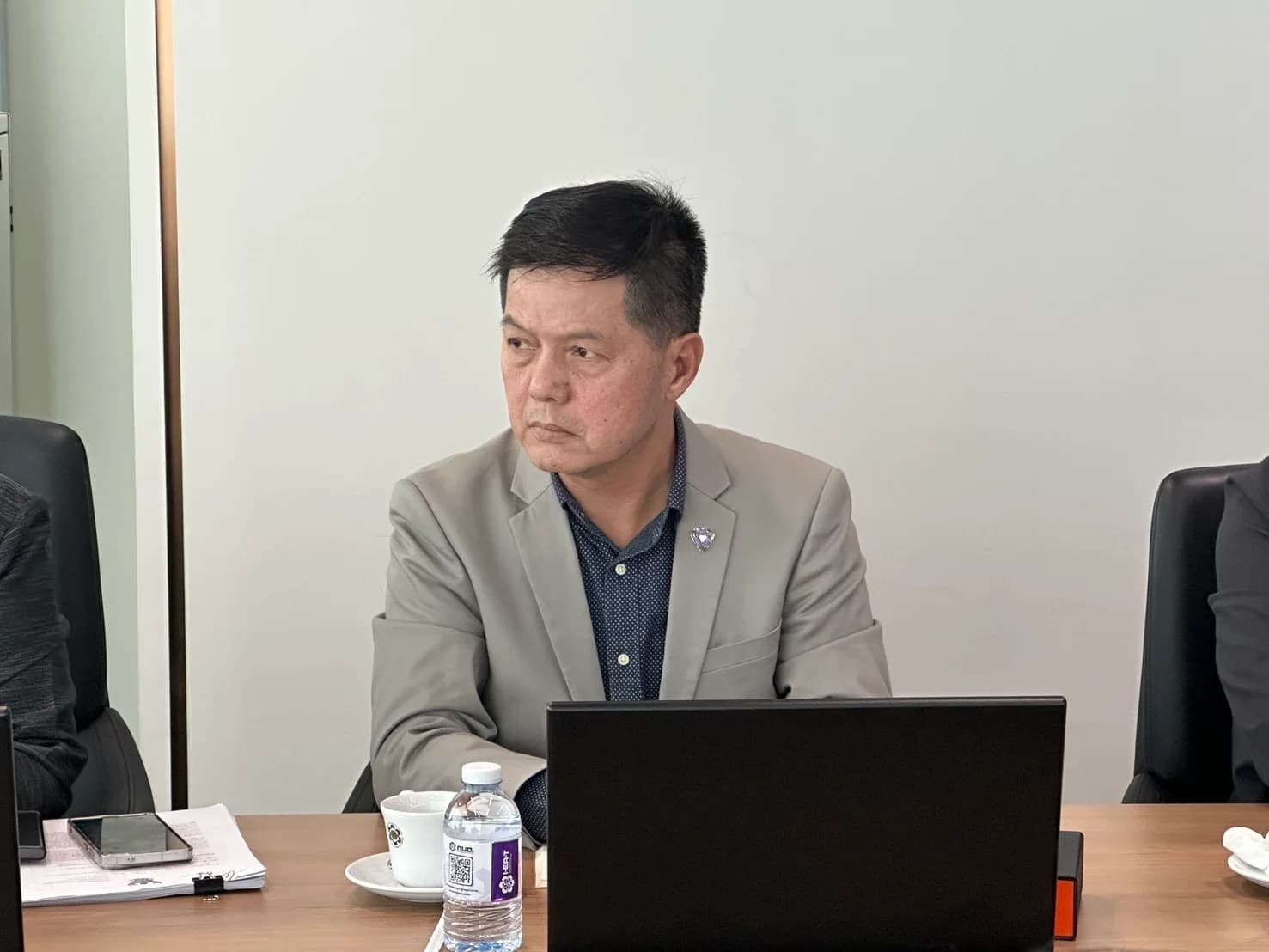
แนวทางดังกล่าวถูกผลักดันในการประชุม คณะทำงานด้านเศรษฐกิจชุมชนและ SMEs ครั้งที่ 1/2569 เมื่อวันที่ 13 สิงหาคม 2569 โดยมีนายกอบศักดิ์ ภูตระกูล ที่ปรึกษารองนายกรัฐมนตรี เป็นประธาน และนายณรงค์ฤทธิ์ พานิชชีวะ รองประธาน ส.อ.ท. เข้าร่วม ณ ทำเนียบรัฐบาล เพื่อร่วมกำหนดแนวทางยกระดับขีดความสามารถของวิสาหกิจชุมชน ผู้ประกอบการรายย่อย และ SMEs ให้สามารถรับมือกับการแข่งขันและเชื่อมโยงเข้าสู่ตลาดใหม่ได้มากขึ้น
ส.อ.ท. มองว่า การขับเคลื่อน Buy Thai – Made in Thailand ต้องไปไกลกว่าการรณรงค์ให้ “ซื้อสินค้าไทย” แต่ต้องสร้างระบบนิเวศที่ทำให้ผู้ประกอบการไทย ผลิตได้–ขายได้–เข้าถึงเงินทุนได้–เข้าถึงตลาดใหม่ได้ และสามารถเติบโตต่อได้อย่างยั่งยืน
เพราะเมื่อสินค้าไทยมีตลาด ย่อมหมายถึง โรงงานที่เดินเครื่องต่อ SMEs ที่มีคำสั่งซื้อ แรงงานที่มีงานทำ และรายได้ที่ยังหมุนเวียนอยู่ในประเทศ
ดังนั้น การใช้กำลังซื้อภาครัฐและภาคเอกชนเพื่อสร้างตลาดให้สินค้าไทย จึงไม่ได้เป็นเพียงมาตรการช่วยเหลือ SMEs แต่เป็นการใช้ “ตลาดในประเทศเป็นฐานสร้างความแข็งแกร่งให้ภาคการผลิต” ทั้งรักษาฐานการผลิต ลดการพึ่งพาการนำเข้า และเพิ่มความสามารถในการแข่งขันของธุรกิจไทยในระยะยาว
FTI has proposed transforming the "national purchasing power" into "orders for Thai manufacturers." It recommends increasing the proportion of procuring Made in Thailand (MiT) products to at least 40% of the 200 billion baht budget, along with five strategies to connect markets–funding–digital–government procurement, with the hope of creating a market for SMEs to maintain production bases and employment, while enhancing the circulation of money within the Thai economy.
Amid rising production costs, price competition, and increased imported goods, a major challenge for Thai entrepreneurs at this time is not only to "produce" but also to "have a market to sell" and sufficient orders to keep their businesses operational.
The Federation of Thai Industries (FTI) therefore proposed that both the public and private sectors expedite the “Buy Thai – Made in Thailand” initiative, transitioning from the idea of promoting the use of Thai products to a systematic mechanism to create a market for Thai manufacturers, particularly through utilizing government purchasing power as a key driver to foster demand for the manufacturing sector.
One of the main proposals is to encourage the government to increase procurement of Made in Thailand (MiT) products to at least 40% of the 200 billion baht budget, transforming government purchasing power into direct orders for Thai manufacturers and SMEs. This will help generate income for businesses, ensure continuous production, and facilitate the circulation of money back into the economy and domestic employment.
However, FTI believes that solely creating a market is insufficient; thus, it proposes five urgent strategies that must advance simultaneously, from market access, funding, to transitioning towards the digital economy, including:
1. Accelerating the expansion of the Made in Thailand (MiT) market
Promote the procurement of Thai products by the government to be no less than 40% of the 200 billion baht budget, while considering tax incentive measures to encourage the private sector to increase the use of Thai products and connect Thai manufacturers into supply chains both domestically and globally.
2. Driving the Buy Thai initiative to create real “purchasing power”
Having high-quality Thai products must be accompanied by easy access for consumers. FTI proposes collaboration between the government, private sector Modern Trade, and Online Platforms to expand sales channels and promotional activities, along with enhancing product standards and traceability systems to build consumer confidence and improve the competitiveness of Thai products.
3. Increasing access to funding sources for SMEs
The issue for SMEs is not just potential, but many face limitations regarding collateral requirements. FTI thus proposes that financial institutions increase flexibility in credit evaluations for potential entrepreneurs and consider measures to reduce interest burdens for businesses with good payment histories to ensure sufficient working capital for maintaining and expanding their operations.
4. Accelerating SMEs into the Digital and E-Commerce markets
The new market opportunities for SMEs no longer need to be confined to physical stores or previous locations. FTI recommends swiftly enhancing digital skills and online sales, supporting Live Commerce, considering reducing fees on platforms, and developing B2B channels to enable SMEs to access new customers in both domestic and international markets.
5. Opening government procurement doors for SMEs through SME-GP
Another important market creation avenue is increasing SME access to government procurement, proposing that the e-GP system be made more user-friendly, reducing obstacles in procedures, and providing pricing advantages to allow smaller operators to compete more effectively and seize opportunities in the government market.
These approaches were pushed forward during the meeting of the Community Economy and SMEs Working Group, No. 1/2026, held on August 13, 2026, presided over by Mr. Kob Sakkud, advisor to the Deputy Prime Minister, with Mr. Narongrit Panichchiva, Vice Chairman of FTI, participating at Government House to jointly determine strategies to enhance the capabilities of community enterprises, small operators, and SMEs to cope with competition and connect to new markets.
FTI believes that driving the “Buy Thai – Made in Thailand” initiative must extend beyond merely campaigning for “buying Thai products.” It should create an ecosystem that enables Thai entrepreneurs to produce, sell, access funding, reach new markets, and achieve sustainable growth.
When Thai products have a market, it means operating factories, SMEs that receive orders, workers with jobs, and revenues circulating within the country.
Thus, utilizing public and private purchasing power to build markets for Thai products is not merely a measure to support SMEs, but a way to use “domestic markets as a foundation to strengthen the manufacturing sector,” preserving production bases, reducing dependence on imports, and enhancing the competitiveness of Thai businesses in the long term.