สภาอุตสาหกรรมแห่งประเทศไทย (ส.อ.ท.) ชี้โจทย์ใหญ่ของภาคอุตสาหกรรมไม่ใช่เพียง “ขาดคน” แต่ต้องมีคนที่มีทักษะตรงกับงานที่เปลี่ยนเร็วขึ้น เดินหน้าหารือร่วมกับสถาบันการจัดการปัญญาภิวัฒน์ (PIM) วางแนวทางพัฒนา Future Skills ตั้งแต่ Upskill–Reskill การศึกษา การเชื่อมโยงบัณฑิตสู่ตลาดแรงงาน ไปจนถึงงานวิจัยและโซลูชันสำหรับภาคธุรกิจ
การเปลี่ยนผ่านของเทคโนโลยี โดยเฉพาะ AI, Automation, Digital และแนวคิดด้าน ESG กำลังทำให้รูปแบบการทำงานและทักษะที่องค์กรต้องการเปลี่ยนแปลงอย่างรวดเร็ว การพัฒนากำลังคนจึงจำเป็นต้องขยับจากการเรียนรู้ในห้องเรียน ไปสู่การพัฒนาทักษะที่เชื่อมโยงกับ “งานจริงและโจทย์จริงของภาคอุตสาหกรรม”
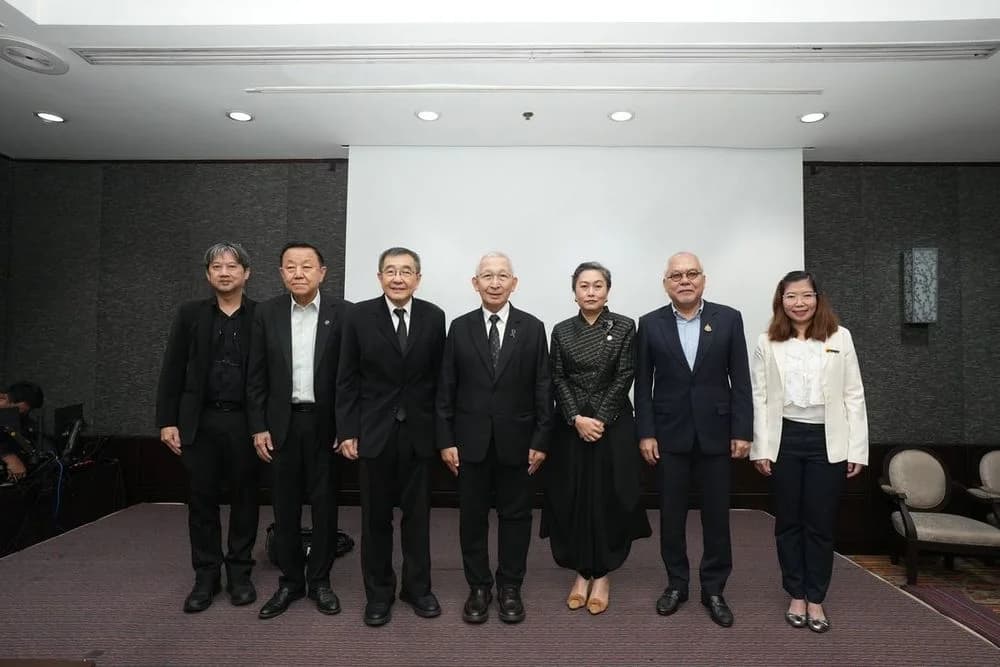
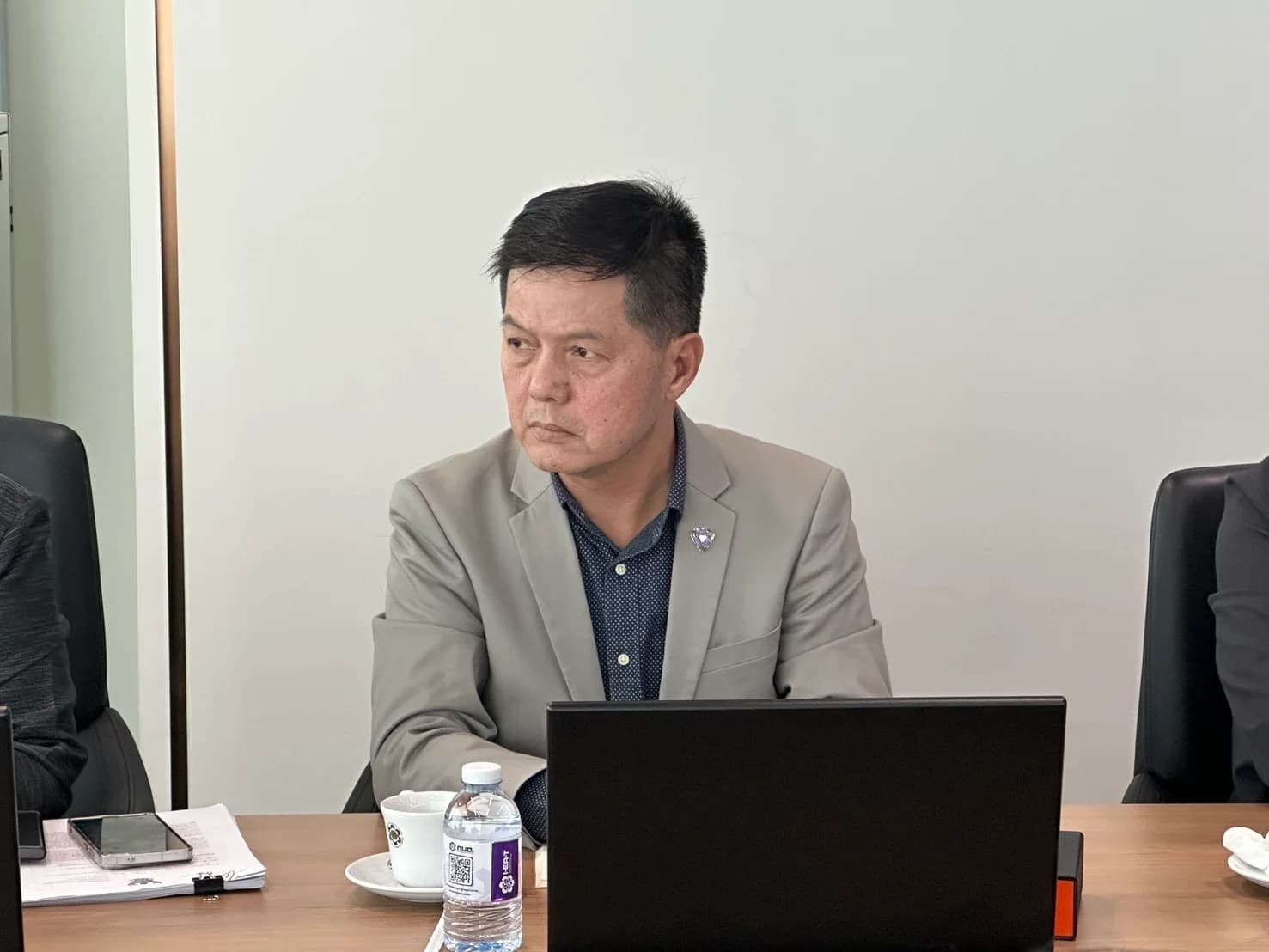
ด้วยเหตุนี้ สภาอุตสาหกรรมแห่งประเทศไทย (ส.อ.ท.) โดยนายถาวร ชลัษเฐียร รองประธาน ส.อ.ท. และประธานสถาบันเสริมสร้างขีดความสามารถมนุษย์ พร้อมด้วยผู้บริหาร FTI Academy และสถาบันเสริมสร้างขีดความสามารถมนุษย์ จึงร่วมหารือกับคณะผู้บริหารสถาบันการจัดการปัญญาภิวัฒน์ (PIM) เมื่อวันที่ 17 สิงหาคม 2569 ณ ส.อ.ท. เพื่อวางแนวทางเชื่อมโยงภาคการศึกษากับภาคอุตสาหกรรมให้ใกล้ชิดยิ่งขึ้น
เบื้องต้น ทั้งสองฝ่ายเห็นแนวทางความร่วมมือสำคัญ 5 ด้าน ได้แก่
1. พัฒนา Future Skills ให้ตรงกับความต้องการของอุตสาหกรรม
FTI Academy และ PIM เตรียมศึกษาแนวทางพัฒนาหลักสูตร Upskill / Reskill สำหรับคนทำงาน โดยเน้นทักษะที่มีความต้องการเพิ่มขึ้น เช่น AI, Cyber Security, Smart Factory, Power BI, Robotics & Automation Management, ESG และ HR Business Partner เพื่อให้บุคลากรสามารถปรับตัวและเพิ่มขีดความสามารถได้ทันต่อการเปลี่ยนแปลง
2. เพิ่มโอกาสทางการศึกษาให้สมาชิก ส.อ.ท.
เตรียมสนับสนุนสิทธิประโยชน์ด้านการศึกษาแก่สมาชิก ส.อ.ท. ทั้งทุนการศึกษาระดับปริญญาตรีสำหรับบุตรหลานพนักงาน และส่วนลดค่าธรรมเนียมการศึกษาระดับปริญญาโทสำหรับพนักงาน เพื่อเปิดโอกาสให้บุคลากรพัฒนาความรู้และต่อยอดเส้นทางอาชีพ
3. เปลี่ยนองค์ความรู้จากห้องเรียนสู่ภาคอุตสาหกรรม
ร่วมจัดสัมมนา เวทีวิชาการ และ Symposium เพื่อแลกเปลี่ยนองค์ความรู้ เทคโนโลยี และนวัตกรรม พร้อมส่งเสริมการนำองค์ความรู้ไปประยุกต์ใช้กับโจทย์จริงของสถานประกอบการ
4. เชื่อมบัณฑิตสู่ “งานจริง”
สร้างช่องทางเชื่อมโยงบัณฑิตจาก PIM กับองค์กรสมาชิก ส.อ.ท. เพิ่มโอกาสเข้าสู่ตลาดแรงงาน ขณะเดียวกันช่วยให้สถานประกอบการเข้าถึงบุคลากรที่มีทักษะและความรู้ตรงกับความต้องการมากขึ้น
5. ใช้องค์ความรู้และงานวิจัยแก้โจทย์ธุรกิจ
ต่อยอดไปสู่การพัฒนา Short Course, Tailor-made Course งานที่ปรึกษา และงานวิจัย เพื่อสร้างองค์ความรู้และโซลูชันที่สามารถนำไปใช้แก้ปัญหาและเพิ่มประสิทธิภาพให้กับสถานประกอบการได้อย่างตรงจุด
ส.อ.ท. มองว่า การพัฒนากำลังคนในยุคใหม่ต้องไม่แยกส่วนระหว่าง “การศึกษา” กับ “การทำงาน” แต่ต้องสร้างระบบที่ทำให้คนสามารถเรียนรู้ พัฒนาทักษะ และเข้าสู่ตลาดแรงงานได้อย่างต่อเนื่อง ขณะที่ภาคอุตสาหกรรมสามารถเข้ามามีส่วนร่วมในการกำหนดทักษะที่ต้องการได้ตั้งแต่ต้น
ความร่วมมือระหว่าง ส.อ.ท. และ PIM จึงมุ่งสร้างกลไกเชื่อม “การศึกษา → ทักษะ → คน → งาน → อุตสาหกรรม” เพื่อให้การพัฒนาคนตอบโจทย์ทั้งความต้องการของธุรกิจในปัจจุบัน และทักษะใหม่ที่กำลังจะเกิดขึ้นในอนาคต
ทั้งนี้ ทั้งสองฝ่ายจะนำแนวทางจากการหารือไปศึกษาในรายละเอียด เพื่อพัฒนาเป็นความร่วมมือที่เป็นรูปธรรม และร่วมกันสร้างกำลังคนที่พร้อมขับเคลื่อนอุตสาหกรรมไทยให้สามารถแข่งขันได้ในโลกที่เทคโนโลยีและรูปแบบการทำงานเปลี่ยนแปลงอย่างรวดเร็ว
The Federation of Thai Industries (FTI) highlights that the major challenge for the industrial sector is not merely the "lack of personnel" but rather the necessity for skilled individuals who can align with rapidly changing job requirements. Discussions with the Panyapiwat Institute of Management (PIM) are underway to develop Future Skills, focusing on Upskilling–Reskilling in education, linking graduates to the labor market, as well as conducting research and solutions for the business sector.
The transition of technology, especially in AI, Automation, Digital, and ESG concepts, is rapidly altering work patterns and the skills that organizations require. Therefore, workforce development must shift from classroom learning to skill-building that connects with the "real jobs and challenges of the industrial sector."
For this reason, FTI, represented by Mr. Thaworn Chonlatheam, Vice President of FTI and Chairman of the Human Capability Development Institute, along with executives from FTI Academy and the Human Capability Development Institute, engaged in discussions with the management team of Panyapiwat Institute of Management (PIM) on August 17, 2026, at FTI, to formulate strategies to more closely align the education sector with the industrial sector.
Initially, both parties identified five key areas for collaboration, including:
1. Develop Future Skills that align with industry needs.
The FTI Academy and PIM are preparing to study curriculum development for Upskilling/Reskilling for workers, focusing on in-demand skills such as AI, Cyber Security, Smart Factory, Power BI, Robotics & Automation Management, ESG, and HR Business Partner, enabling personnel to adapt and enhance capabilities in response to changes.
2. Increase educational opportunities for FTI members.
Support educational benefits for FTI members, including scholarships for the children of employees pursuing bachelor's degrees and discounts on master's degree tuition for employees, to open up opportunities for personnel to enhance their knowledge and career paths.
3. Transform knowledge from classrooms to the industrial sector.
Jointly organize seminars, academic forums, and symposiums to exchange knowledge, technology, and innovations while promoting the application of such knowledge to real challenges faced by businesses.
4. Link graduates to "real jobs."
Create channels to connect graduates from PIM with FTI member organizations, increasing opportunities for entry into the labor market while simultaneously helping enterprises access personnel with skills and knowledge that meet demand more effectively.
5. Utilize knowledge and research to address business challenges.
Advance towards the development of Short Courses, Tailor-made Courses, consultancy work, and research to create knowledge and solutions that can precisely address issues and enhance efficiency within enterprises.
FTI believes that workforce development in the new era should not separate "education" from "work" but must create a system that allows people to continuously learn, develop skills, and enter the labor market while the industrial sector can participate in defining the required skills from the outset.
The collaboration between FTI and PIM, therefore, aims to establish a mechanism connecting “Education → Skills → People → Jobs → Industry” to ensure that workforce development meets both the current business demands and the new skills that will emerge in the future.
Both parties will take the discussed strategies for detailed examination to develop tangible cooperation and jointly create a workforce prepared to drive the Thai industry to compete in a world where technology and work patterns are evolving rapidly.