
กติกาการค้าโลกกำลังเปลี่ยนจากการวัดเพียง “สินค้าดีและราคาสู้ได้” ไปสู่การให้ความสำคัญกับข้อมูล สิ่งแวดล้อม และความสามารถในการลดผลกระทบตลอด Supply Chain ขณะที่มาตรการอย่างมาตรการปรับราคาคาร์บอนก่อนข้ามพรมแดนของสหภาพยุโรป (CBAM) และ การปล่อยก๊าซเรือนกระจกสุทธิเป็นศูนย์ (Net Zero) และมาตรฐานด้านสิ่งแวดล้อม กำลังกลายเป็นโจทย์สำคัญของผู้ประกอบการไทย โดยเฉพาะ SMEs
สภาอุตสาหกรรมแห่งประเทศไทย (ส.อ.ท.) จึงเสนอให้ภาครัฐเร่งวางโครงสร้างพื้นฐานด้านกฎระเบียบ ข้อมูล เงินทุน และองค์ความรู้ เพื่อไม่ให้ต้นทุนจากการเปลี่ยนผ่านกลายเป็นข้อจำกัดในการแข่งขัน แต่สามารถต่อยอดเป็นโอกาสลดต้นทุน เพิ่มประสิทธิภาพ และสร้างมูลค่าเพิ่มให้ธุรกิจไทย
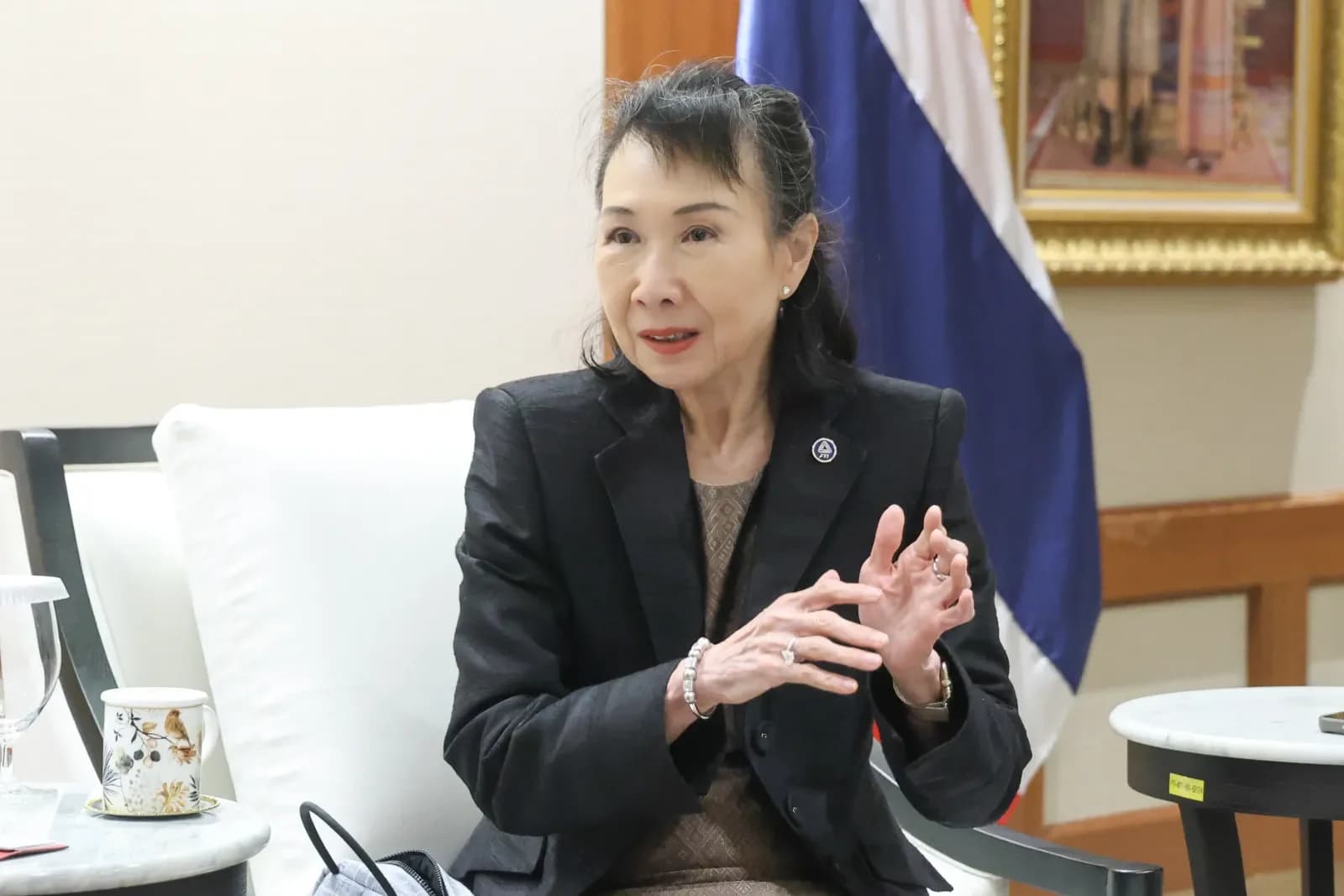
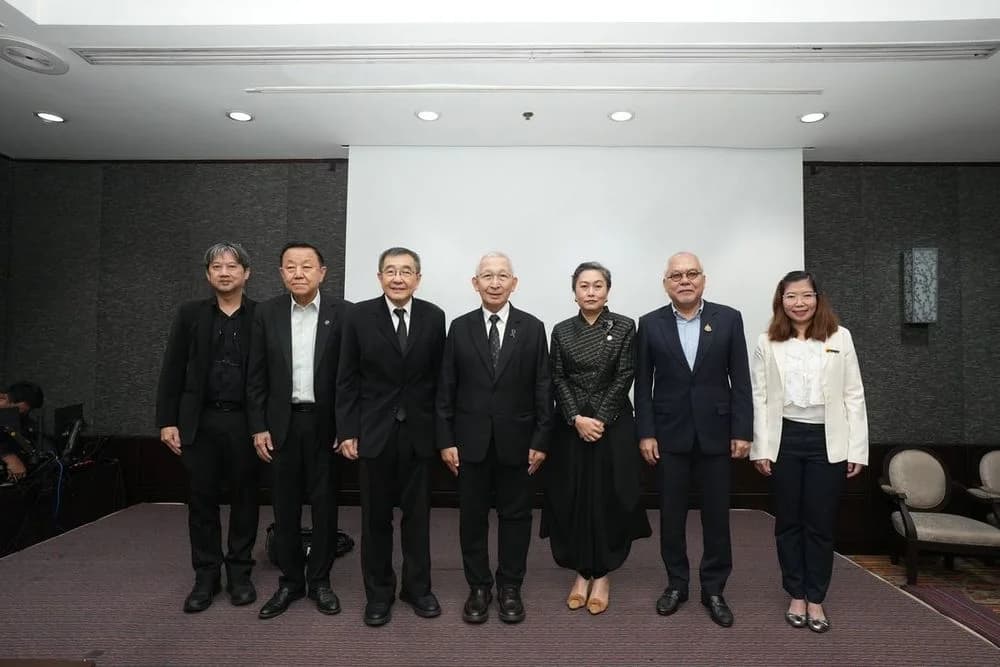
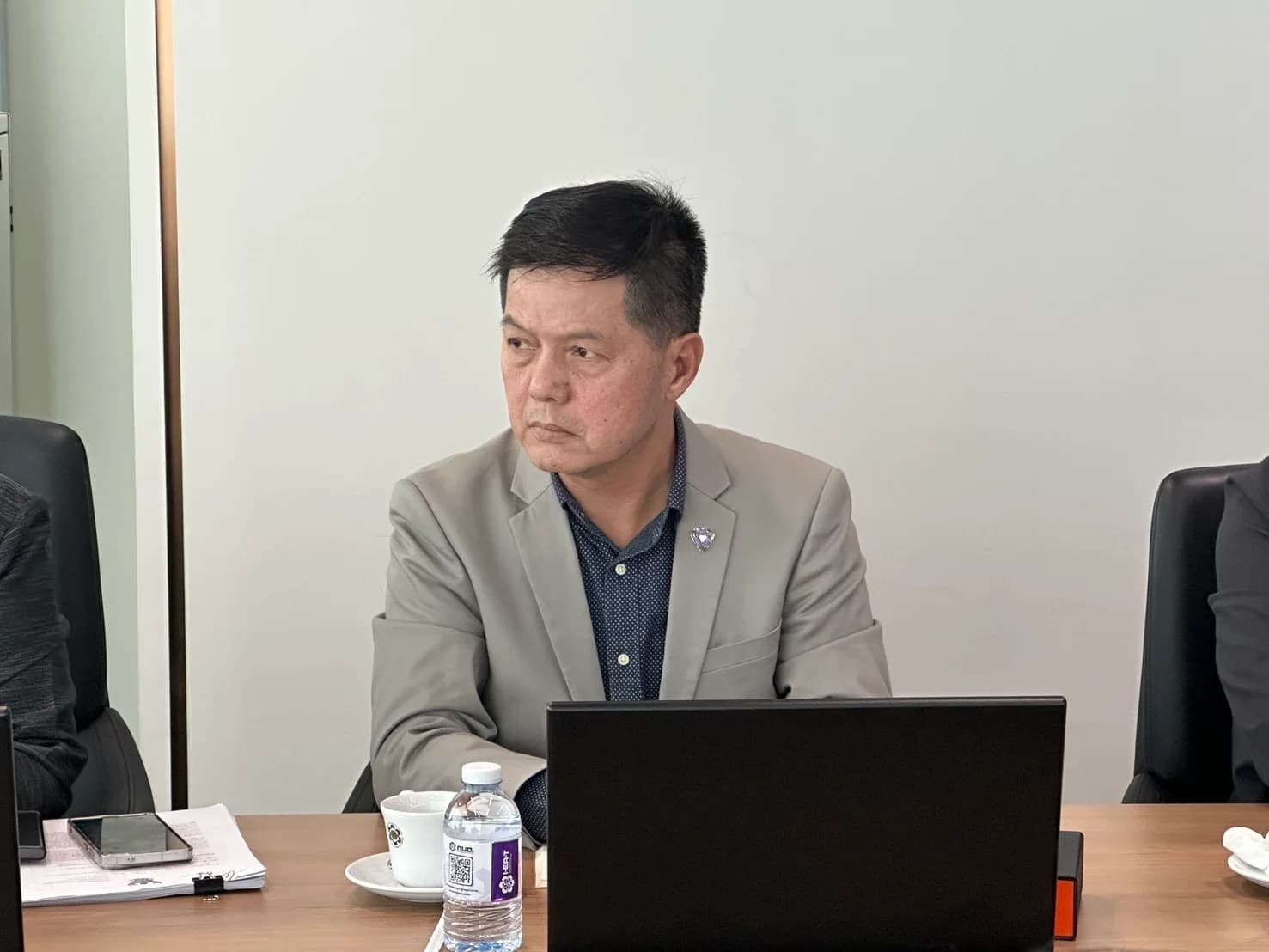
เมื่อวันที่ 19 สิงหาคม 2569 นายเจตพล เอมมณี กรรมการสถาบันน้ำ สิ่งแวดล้อม และ Climate Change ส.อ.ท. พร้อมด้วยนางสรวงระวี คุณธนกาญจน์ ผู้อำนวยการสถาบันฯ เข้าร่วมประชุมกับคณะอนุกรรมาธิการด้านการพัฒนาที่ยั่งยืน (SDGs) วุฒิสภา และนำเสนอหัวข้อ “SDGs 2030: ขับเคลื่อนอุตสาหกรรมไทยสู่การเติบโตอย่างยั่งยืน” ณ ห้องประชุมกรรมาธิการ CA 320 ชั้น 3 อาคารรัฐสภา
[5 ข้อเสนอ เปลี่ยน “กติกา” ให้เป็น “โอกาส”]
ส.อ.ท. เสนอ 5 แนวทางสำคัญเพื่อสนับสนุนการเปลี่ยนผ่านของภาคอุตสาหกรรม ได้แก่
1. Smart Regulation ปรับปรุงกฎหมายให้รองรับเศรษฐกิจหมุนเวียน (Circular Economy) และ การสิ้นสุดการเป็นของเสีย (End of Waste)
2. Data & Traceability พัฒนาโครงสร้างข้อมูลกลางที่เชื่อมโยงและตรวจสอบย้อนกลับได้
3. Green Finance เพิ่มโอกาสเข้าถึงเงินทุนสีเขียวและสิทธิประโยชน์ทางภาษี
4. SME Support ยกระดับทักษะ องค์ความรู้ และเทคโนโลยีให้ SMEs
5. Regulatory Sandbox เปิดพื้นที่ทดลองนวัตกรรมและกฎระเบียบใหม่ก่อนขยายผลในระดับประเทศ
นอกจากนี้ ยังมีการแลกเปลี่ยนประเด็นสำคัญ ทั้งการจัดการกากอุตสาหกรรม การเชื่อมโยงข้อมูล การกำหนด KPIs และการยกระดับความสามารถของ SMEs เพื่อให้การขับเคลื่อน SDGs สามารถนำไปสู่การปฏิบัติจริงได้
[“Inclusive Sustainability” ต้องเกิดตลอด Supply Chain]
ส.อ.ท. มองว่าการเปลี่ยนผ่านด้านความยั่งยืนจะเกิดขึ้นได้อย่างแท้จริง หากไม่ได้เกิดขึ้นเฉพาะในบริษัทขนาดใหญ่ แต่ต้องครอบคลุม SMEs และผู้ประกอบการตลอด Supply Chain เพราะความสามารถในการแข่งขันของอุตสาหกรรมไทยในอนาคตจะขึ้นอยู่กับทั้งห่วงโซ่ ไม่ใช่เพียงผู้ประกอบการรายใดรายหนึ่ง
แนวทางดังกล่าวสอดคล้องกับ I ที่ 5: Inclusive Sustainability ภายใต้ยุทธศาสตร์ 5I ของ ส.อ.ท. ที่มุ่งสร้างการเติบโตที่ทุกภาคส่วนสามารถมีส่วนร่วมและปรับตัวไปพร้อมกัน โดยใช้ความร่วมมือระหว่างภาครัฐ ภาคเอกชน และภาคประชาชน เป็นกลไกสำคัญ
เป้าหมายจึงไม่ใช่เพียงการ “ทำตามกติกา” แต่คือการทำให้ SDGs และมาตรฐานความยั่งยืนกลายเป็นเครื่องมือยกระดับประสิทธิภาพ ลดต้นทุน และเพิ่มขีดความสามารถในการแข่งขันของอุตสาหกรรมไทยในระยะยาว
Global trade rules are evolving from measuring merely "quality products at competitive prices" to emphasizing data, environmental impact, and reducing effects throughout the Supply Chain. Measures such as the European Union's Carbon Border Adjustment Mechanism (CBAM), Net Zero greenhouse gas emissions, and environmental standards are becoming key challenges for Thai entrepreneurs, especially SMEs.
The Federation of Thai Industries (FTI) therefore urges the government to accelerate the establishment of infrastructure regarding regulations, data, funding, and knowledge so that the costs associated with the transition do not become a competitive disadvantage but instead represent opportunities to reduce costs, enhance efficiency, and create added value for Thai businesses.
On August 19, 2026, Mr. Jetthapol Emmanee, a director at the Water, Environment, and Climate Change Institute of FTI, along with Ms. Suangravi Khunthanakarn, the director of the institute, participated in a meeting with the Senate's Subcommittee on Sustainable Development (SDGs) to present the topic “SDGs 2030: Driving Thai Industries Toward Sustainable Growth” at the CA 320 Conference Room on the third floor of the Parliament Building.
[5 Proposals to Turn “Rules” into “Opportunities”]
The FTI has proposed five key guidelines to support the transition of the industrial sector, which include:
1. Smart Regulation: Improve laws to support the Circular Economy and End of Waste
2. Data & Traceability: Develop a centralized data structure that is interconnected and traceable
3. Green Finance: Enhance access to green funding and tax benefits
4. SME Support: Elevate skills, knowledge, and technology for SMEs
5. Regulatory Sandbox: Create spaces for testing innovations and new regulations before expanding nationally
Furthermore, there was an exchange of important topics, including industrial waste management, data connectivity, the establishment of KPIs, and enhancing the capabilities of SMEs to ensure the implementation of SDGs leads to real practices.
[“Inclusive Sustainability” Must Occur Throughout the Supply Chain]
The FTI believes that true sustainability transitions will only occur if they do not apply solely to large companies but also encompass SMEs and entrepreneurs throughout the Supply Chain. The competitiveness of Thai industries in the future will rely on the entire chain, not just on individual operators.
This approach aligns with I at 5: Inclusive Sustainability under the FTI’s 5I strategy, which aims to create growth that includes participation from all sectors and adapts collaboratively, using cooperation among the government, private sector, and civil society as a key mechanism.
Thus, the goal is not merely to “comply with regulations,” but to transform SDGs and sustainability standards into tools that enhance efficiency, reduce costs, and increase the competitiveness of Thai industries in the long term.