
การค้าไทย–อียิปต์มีศักยภาพเติบโต แต่ผู้ประกอบการไทยต้องรับมือกับความท้าทายใหม่ ทั้งความผันผวนของค่าเงิน ขั้นตอนนำเข้าที่ซับซ้อน และนโยบายส่งเสริมการผลิตภายในประเทศของอียิปต์ ซึ่งอาจกดดันความสามารถในการแข่งขันของสินค้าไทยในตลาดระยะต่อไป สภาอุตสาหกรรมแห่งประเทศไทย (ส.อ.ท.) จึงเสนอให้ใช้เวทีความร่วมมือระดับรัฐบาลเปิดทางสู่การลงทุนและธุรกิจบริการมากขึ้น
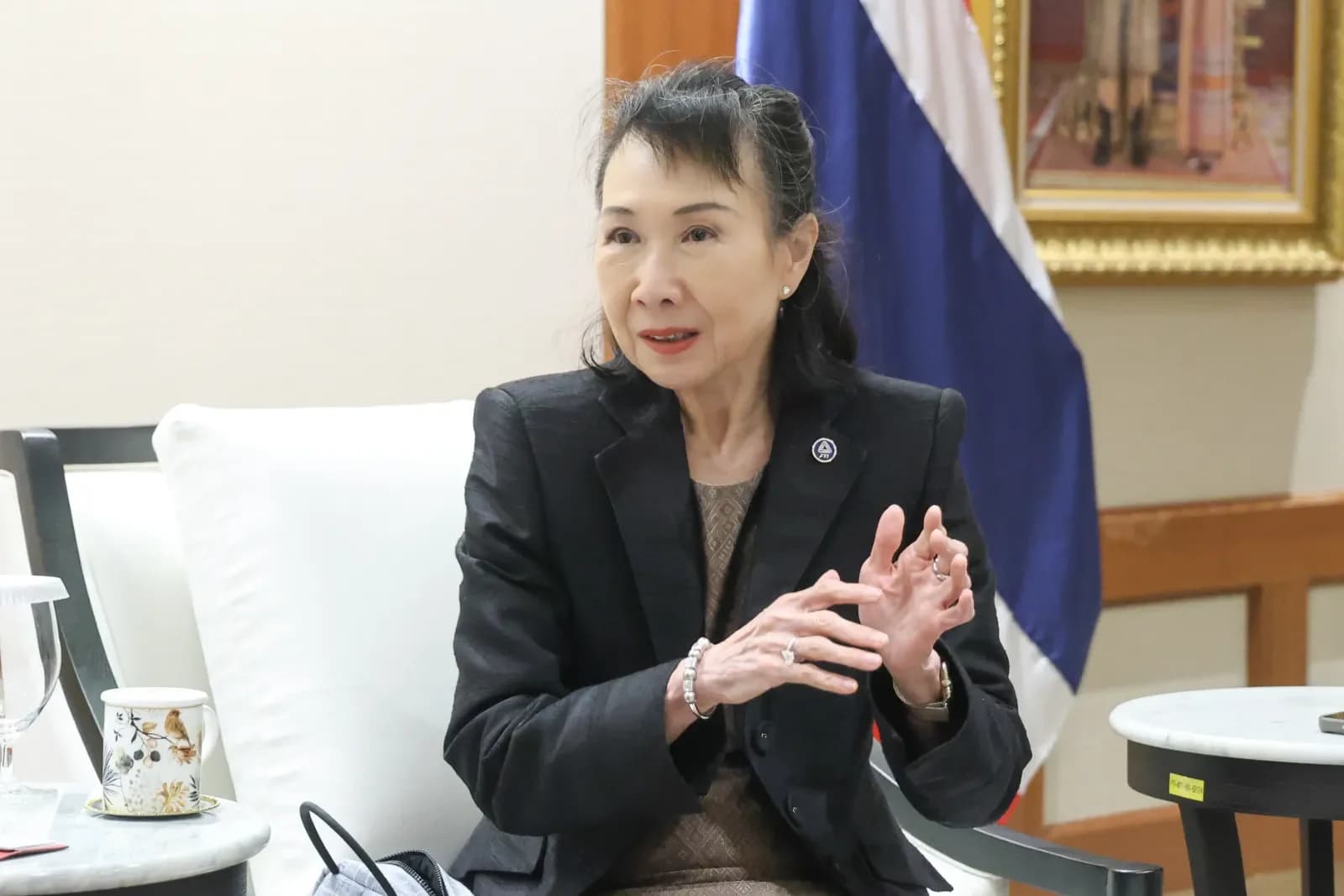
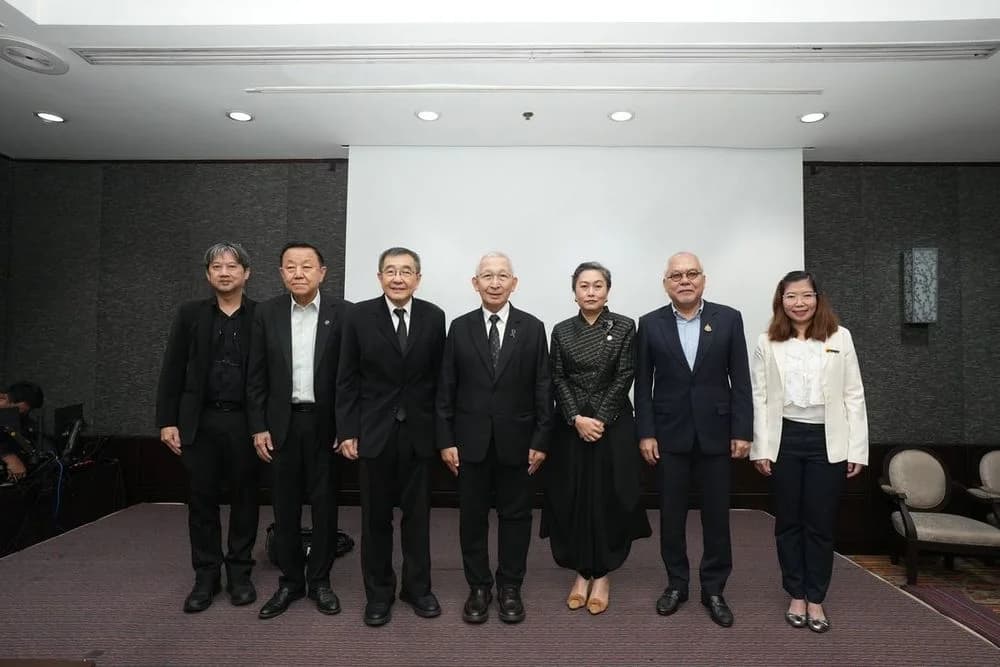
เมื่อวันที่ 19 สิงหาคม 2569 ดร.ชโย ตรังอดิศัยกุล กรรมการบริหาร ส.อ.ท. และประธานสภาธุรกิจไทย–อียิปต์ เข้าร่วมการประชุมเตรียมการคณะกรรมาธิการร่วมว่าด้วยความร่วมมือทวิภาคี (Joint Commission) ไทย–อียิปต์ โดยมีนางอุรษา มงคลนาวิน อธิบดีกรมเอเชียใต้ ตะวันออกกลางและแอฟริกา เป็นประธาน ณ กระทรวงการต่างประเทศ
การประชุมมีเป้าหมายเตรียมสารัตถะสำหรับการประชุม Joint Commission ไทย–อียิปต์ ครั้งที่ 3 ซึ่งกำหนดจัดขึ้นวันที่ 16 ตุลาคม 2569 ในช่วงการเยือนประเทศไทยของรัฐมนตรีว่าการกระทรวงการต่างประเทศอียิปต์ โดย ส.อ.ท. ได้นำมุมมองและข้อเสนอของภาคเอกชนเข้าร่วมผลักดัน
[การค้าเกือบ 1,000 ล้านดอลลาร์ แต่โจทย์แข่งขันเริ่มเปลี่ยน]
ในปี 2568 ไทยและอียิปต์มีมูลค่าการค้ารวม 974.86 ล้านดอลลาร์สหรัฐ โดยไทยเกินดุลการค้า 654.61 ล้านดอลลาร์สหรัฐ สินค้าส่งออกสำคัญของไทย ได้แก่ ยานยนต์และชิ้นส่วน อาหารแปรรูป และผลิตภัณฑ์ยาง
อย่างไรก็ตาม ผู้ประกอบการไทยกำลังเผชิญแรงกดดันจาก ความผันผวนของค่าเงิน ที่ทำให้ราคาสินค้าไทยในตลาดอียิปต์สูงขึ้น รวมถึงกระบวนการนำเข้าที่มีความซับซ้อน และนโยบายส่งเสริมการผลิตภายในประเทศเพื่อลดการพึ่งพาการนำเข้า ซึ่งอาจกระทบต่อโอกาสทางการตลาดของสินค้าสำคัญอย่างยานยนต์ ชิ้นส่วน และยางรถยนต์ในอนาคต
ส.อ.ท. จึงเห็นว่าการสร้างความสัมพันธ์ทางเศรษฐกิจระยะต่อไปควรขยับจากการพึ่งพา “การส่งออกสินค้า” เพียงอย่างเดียว ไปสู่การลงทุนและบริการ เพื่อให้ภาคเอกชนไทยเข้าไปมีส่วนร่วมในตลาดอียิปต์ได้ลึกขึ้น
[เปิดเกมลงทุน “การแพทย์–สุขภาพ–ท่องเที่ยว”]
ส.อ.ท. เสนอให้หารือกับฝ่ายอียิปต์เพื่อส่งเสริมการลงทุนในสาขาที่ไทยมีความเชี่ยวชาญและมีศักยภาพในการสร้างมูลค่าเพิ่ม อาทิ บริการทางการแพทย์ การท่องเที่ยวเชิงสุขภาพ และธุรกิจโรงแรมและที่พัก
แนวทางดังกล่าวจะช่วยกระจายโอกาสจากการค้าสินค้าไปสู่ การลงทุน การบริการ และการสร้างพันธมิตรทางธุรกิจ ซึ่งสามารถสร้างประโยชน์ร่วมกันทั้งสองประเทศ และเพิ่มช่องทางให้ผู้ประกอบการไทยรับมือกับความเปลี่ยนแปลงของตลาดอียิปต์ได้มากขึ้น
ส.อ.ท. พร้อมทำหน้าที่เชื่อมโยงภาคเอกชนไทยกับภาครัฐและพันธมิตรในอียิปต์ เพื่อผลักดันข้อเสนอที่ตอบโจทย์ผู้ประกอบการ และเปลี่ยนความท้าทายด้านการค้าให้เป็นโอกาสใหม่ในการขยายธุรกิจไทยสู่ตลาดตะวันออกกลางและแอฟริกา
The trade relationship between Thailand and Egypt has potential for growth; however, Thai entrepreneurs must navigate new challenges, including currency volatility, complex import procedures, and Egypt's domestic production promotion policies, which may pressure Thailand's competitive edge in future markets. The Federation of Thai Industries (FTI) proposes utilizing governmental cooperation platforms to facilitate greater investment and business services.
On August 19, 2026, Dr. Chayo Trangadisai, Executive Board Member of FTI and Chairman of the Thai-Egyptian Business Council, participated in the preparatory meeting of the Joint Commission on Bilateral Cooperation between Thailand and Egypt, presided over by Mrs. Urasa Mongklnavin, Director-General of the Department of South Asia, the Middle East and Africa, at the Ministry of Foreign Affairs.
The meeting aimed to prepare documents for the 3rd Joint Commission meeting between Thailand and Egypt, scheduled for October 16, 2026, during the visit of the Egyptian Minister of Foreign Affairs to Thailand, where FTI brought private sector insights and proposals to facilitate discussions.
[Trade nearing $1 billion, but competitive challenges are changing]
In 2025, the total trade value between Thailand and Egypt reached $974.86 million, with Thailand experiencing a trade surplus of $654.61 million. Major Thai export products include automobiles and parts, processed foods, and rubber products.
However, Thai entrepreneurs are facing pressure from currency volatility that increases the prices of Thai products in the Egyptian market, along with complex import processes and domestic production promotion policies that aim to reduce reliance on imports, which may affect the market opportunities for significant products such as automobiles, components, and tires in the future.
FTI believes that establishing future economic relationships should shift from reliance on “product exports” alone towards investment and services to allow Thai private sectors to participate more deeply in the Egyptian market.
[Opening investment opportunities in “medical, health, and tourism”]
FTI suggests discussions with Egyptian counterparts to promote investment in sectors where Thailand has expertise and potential for value addition, such as medical services, health tourism, and hospitality businesses.
This approach will help diversify opportunities from product trading to investment, services, and business partnerships, which can create mutual benefits for both countries and provide Thai entrepreneurs with enhanced means to respond to changes in the Egyptian market.
FTI is ready to act as a connector between the Thai private sector and Egyptian government and partners to promote proposals that address the needs of entrepreneurs and transform trade challenges into new opportunities for expanding Thai businesses into the Middle Eastern and African markets.