ส.อ.ท. ชี้โจทย์การค้าชายแดนยุคใหม่ต้องไปไกลกว่าการซื้อขาย เร่งเชื่อมระบบศุลกากร ดิจิทัล และโครงสร้างพื้นฐาน พร้อมปรับบทบาทผู้ประกอบการไทยจาก “พ่อค้าชายแดน” สู่ “นักลงทุน” สร้างฐานการผลิตและห่วงโซ่อุปทานในประเทศเพื่อนบ้าน เพื่อเพิ่มทางเลือกทางธุรกิจและรับมือความผันผวนของเศรษฐกิจโลก
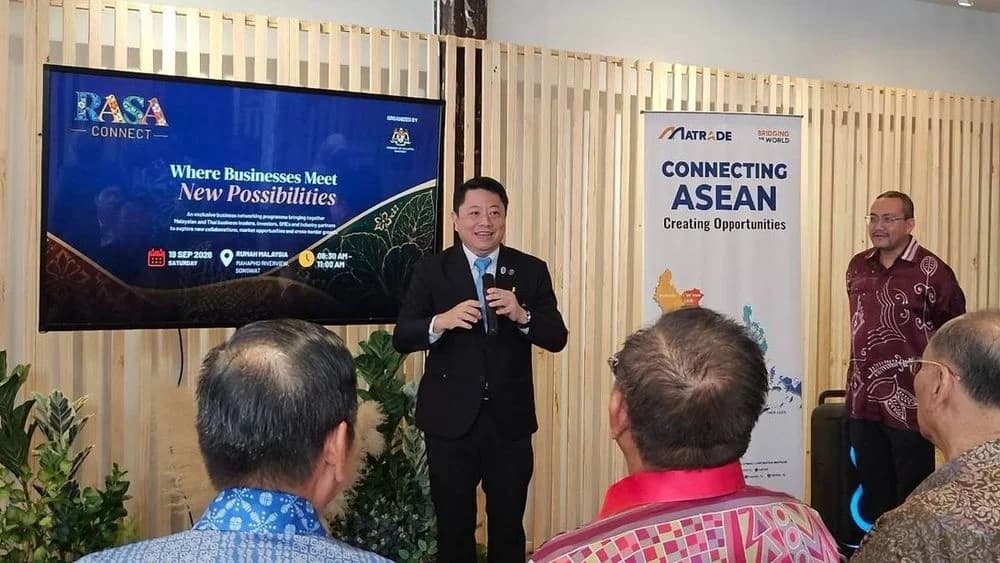
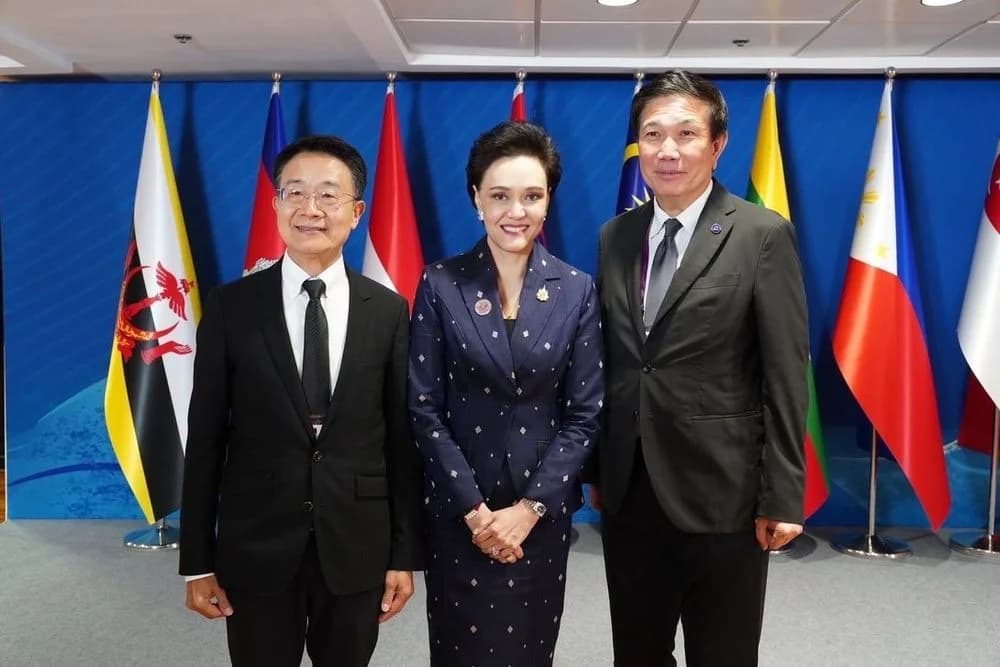
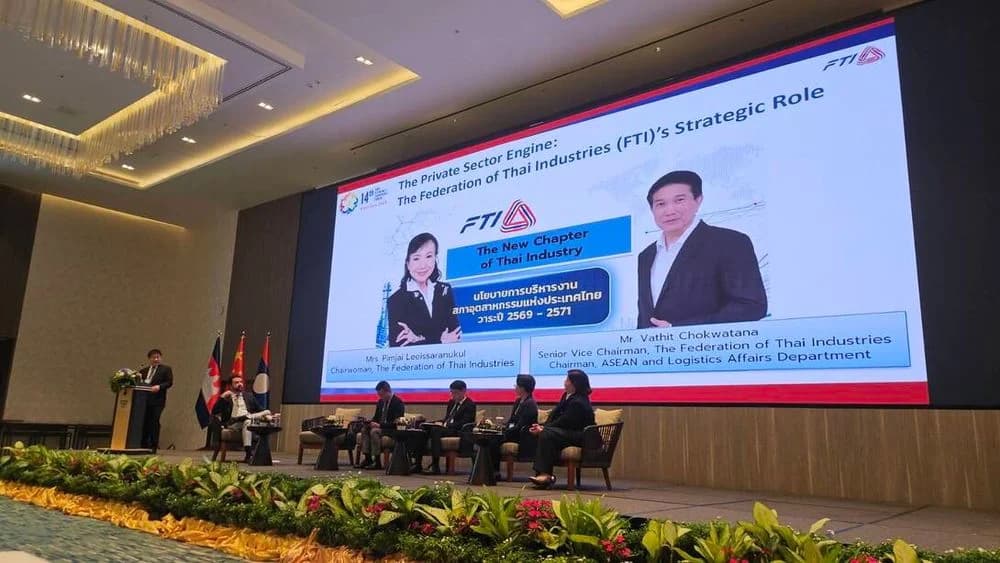
เมื่อวันที่ 20 สิงหาคม 2569 ดร.กริช อึ้งวิฑูรสถิตย์ รองประธานสายงานอาเซียนและโลจิสติกส์ สภาอุตสาหกรรมแห่งประเทศไทย (ส.อ.ท.) และประธานสภาธุรกิจไทย-เมียนมา ร่วมอภิปรายในหัวข้อ “Facilitating Cross Border Trade” ในงาน Asia Forum 2026 ณ C asean Ratchada พร้อมด้วยนายยุทธนา พูลพิพัฒน์ รองอธิบดีกรมศุลกากร นายวิมล ปั้นคง รองผู้อำนวยการ (วิชาการ) สถาบันระหว่างประเทศเพื่อการค้าและการพัฒนา (itd) และนายยงยศ ผลธนาวัฒน์ Global Commercial and Distribution Business Director, SCG International Corporation โดยมีนายวรทัศน์ ตันติมงคลสุข ประธานสภาธุรกิจไทย-กัมพูชา เป็นผู้ดำเนินรายการ
[เมียนมาเผชิญข้อจำกัด ไทยต้องใช้ “ความร่วมมือ” เปิดทางธุรกิจ]
ดร.กริช กล่าวว่า สถานการณ์ในเมียนมาส่งผลต่อการค้าระหว่างสองประเทศอย่างมีนัยสำคัญ โดยเฉพาะข้อจำกัดด้านเงินตราต่างประเทศและกระบวนการนำเข้า ส่งผลให้สินค้าไทยในตลาดเมียนมามีสัดส่วนลดลงอย่างมาก จากเดิมที่เคยอยู่ในระดับประมาณ 80% เหลือราว 10%
อย่างไรก็ตาม การเยือนไทยของผู้นำเมียนมาล่าสุดถือเป็นสัญญาณบวกในการฟื้นความร่วมมือ โดยเฉพาะการเปิดช่องทางให้ภาคเอกชนกลับมาดำเนินธุรกิจได้มากขึ้น สะท้อนว่าความร่วมมือระดับรัฐสามารถเป็น “ตัวเปิดประตู” ให้ภาคธุรกิจเดินหน้าต่อได้
ส.อ.ท. จึงมองว่าไทยควรต่อยอดความสัมพันธ์ดังกล่าวจาก “การค้าชายแดน” ไปสู่ “การลงทุน” โดยเฉพาะการเข้าไปตั้งฐานการผลิตและแปรรูปสินค้าในประเทศเพื่อนบ้าน ซึ่งจะช่วยสร้างมูลค่าเพิ่มและลดข้อจำกัดจากมาตรการทางการค้า
[ศุลกากรเร่งเป็น “Trade Enabler” ลดขั้นตอนด้วยดิจิทัล]
ด้านกรมศุลกากรอยู่ระหว่างปรับบทบาทจาก Regulator สู่ Trade Enabler โดยเร่งนำระบบดิจิทัลเข้ามาช่วยลดขั้นตอนและระยะเวลาในการนำเข้า–ส่งออก ทั้ง ASEAN Single Window, e-Form D และระบบบริหารความเสี่ยง เพื่อสร้างสมดุลระหว่างการกำกับดูแลกับการอำนวยความสะดวกทางการค้า
นอกจากนี้ ยังส่งเสริมผู้ประกอบการเข้าสู่ระบบ Authorized Economic Operator (AEO) เพื่อให้ได้รับสิทธิประโยชน์ด้านการตรวจปล่อยสินค้า และเตรียมพัฒนาระบบ Joint Border Control/One Stop Service เพื่อเพิ่มประสิทธิภาพการผ่านแดน
[เปลี่ยนจาก “ค้าชายแดน” สู่ “ฐานลงทุน” สร้าง Supply Chain ใหม่]
ขณะที่ภาคเอกชนมองว่าไทยมีจุดแข็งจากความใกล้ชิดกับประเทศเพื่อนบ้าน ทั้งด้านภูมิศาสตร์ วัฒนธรรม และเครือข่ายธุรกิจ จึงควรใช้แต้มต่อนี้ขยายบทบาทใน ACMECS ให้มากขึ้น โดยเฉพาะการลงทุนในภาคเกษตรและอาหาร การแปรรูป และการสร้างฐานการผลิตในประเทศเพื่อนบ้าน
พร้อมกันนี้ ผู้ประกอบการต้องสร้าง Supply Chain Resilience ผ่านการกระจายเส้นทางขนส่ง การมีแผนสำรอง และการขยายตลาดใหม่ เพื่อไม่ให้ธุรกิจพึ่งพาตลาดหรือเส้นทางใดเส้นทางหนึ่งมากเกินไป
หนึ่งในโอกาสที่น่าสนใจคือการเชื่อมโยง ท่าเรือระนองกับท่าเรือจิตตะกองของบังกลาเทศ เพื่อเปิดเส้นทางการค้าใหม่จากไทยสู่ตลาดเอเชียใต้ ซึ่งมีศักยภาพด้านประชากร การบริโภค และการลงทุน
[ผนึกภาครัฐ–เอกชน ปลดล็อกชายแดน เปิดทางการลงทุน]
เวที Asia Forum 2026 สะท้อนตรงกันว่า การเพิ่มขีดความสามารถทางการค้าของ ACMECS ต้องทำควบคู่ทั้ง กฎระเบียบ ศุลกากรดิจิทัล โครงสร้างพื้นฐาน และยุทธศาสตร์ของภาคธุรกิจ โดยภาครัฐทำหน้าที่เป็นผู้เปิดทาง ขณะที่ภาคเอกชนต้องปรับตัวจากผู้ส่งออกและผู้ค้าชายแดน ไปสู่การเป็นผู้ลงทุนและผู้สร้างห่วงโซ่อุปทานในภูมิภาค
ส.อ.ท. จะทำหน้าที่เชื่อมโยงภาครัฐกับภาคเอกชน เพื่อสะท้อนปัญหาและข้อเสนอจากผู้ประกอบการ พร้อมผลักดันให้ ACMECS เป็นมากกว่าพื้นที่การค้าชายแดน แต่เป็นฐานการลงทุนและ Supply Chain สำคัญของไทยในภูมิภาค เพื่อสร้างโอกาสใหม่และการเติบโตทางเศรษฐกิจ
FTI points out that the modern cross-border trade challenge must go beyond mere transactions by accelerating the integration of digital customs and infrastructure systems, while transforming the role of Thai entrepreneurs from "cross-border traders" to "investors". This includes establishing production bases and supply chains in neighboring countries to expand business options and manage global economic volatility.
On August 20, 2026, Dr. Krit Ungwitthunrat, Vice President of the ASEAN and Logistics Division at the Federation of Thai Industries (FTI) and Chairman of the Thailand-Myanmar Business Council, participated in a discussion on the topic “Facilitating Cross Border Trade” at the Asia Forum 2026 held at C asean Ratchada. He was joined by Mr. Yutana Poonsukpith, Deputy Director-General of the Customs Department, Mr. Wimol Pankong, Deputy Director (Academic) of the International Trade and Development Institute (ITD), and Mr. Yongyod Polthanawat, Global Commercial and Distribution Business Director, SCG International Corporation, with Mr. Worathat Tantimongkolsuk, Chairman of the Thailand-Cambodia Business Council, serving as the moderator.
[Myanmar Faces Constraints; Thailand Must Utilize “Cooperation” to Open Business Opportunities]
Dr. Krit stated that the situation in Myanmar significantly affects trade between the two countries, particularly due to constraints related to foreign currency and import processes, resulting in a substantial reduction of Thai goods in the Myanmar market, from approximately 80% to around 10%.
However, the recent visit of Myanmar's leaders to Thailand serves as a positive sign for restoring cooperation, especially in reopening channels for the private sector to conduct more business, reflecting that state-level cooperation can act as a “door opener” for businesses to move forward.
FTI therefore views that Thailand should build upon this relationship from “cross-border trade” to “investment,” particularly in establishing production bases and processing goods in neighboring countries, which will help create added value and reduce limitations imposed by trade measures.
[Customs Accelerating to Become a “Trade Enabler” by Reducing Processes with Digital Solutions]
The Customs Department is adjusting its role from Regulator to Trade Enabler, accelerating the integration of digital systems to reduce the steps and time involved in imports and exports, including ASEAN Single Window, e-Form D, and risk management systems to create a balance between regulation and facilitation of trade.
Furthermore, it promotes operators to enter the Authorized Economic Operator (AEO) system to receive benefits related to customs clearance and prepares to develop a Joint Border Control/One Stop Service system to enhance border crossing efficiency.
[Transitioning from “Cross-Border Trade” to “Investment Base” to Build a New Supply Chain]
Meanwhile, the private sector perceives that Thailand has strengths due to its proximity to neighboring countries in terms of geography, culture, and business networks, which should be leveraged to increase its role in ACMECS, particularly in investments in agriculture and food, processing, and establishing production bases in neighboring countries.
Moreover, entrepreneurs must build Supply Chain Resilience through diversifying transportation routes, planning contingencies, and expanding new markets to avoid over-reliance on any single market or route.
One interesting opportunity is the linkage between Ranong Port and Chittagong Port in Bangladesh to open new trade routes from Thailand to the South Asian market, which has significant potential in terms of population, consumption, and investment.
[Collaboration Between Public and Private Sectors to Unlock Borders and Open Investment Opportunities]
The Asia Forum 2026 reflects the consensus that enhancing the trade capabilities of ACMECS must go hand in hand with regulations, digital customs, infrastructure, and business strategies, with the public sector serving as enablers while the private sector must transition from exporters and cross-border traders to investors and supply chain developers in the region.
FTI will serve as a bridge connecting the public and private sectors to reflect concerns and proposals from entrepreneurs while promoting ACMECS to be more than just a cross-border trade area, but a significant investment and supply chain base for Thailand in the region, creating new opportunities and economic growth.