
สภาอุตสาหกรรมแห่งประเทศไทย (ส.อ.ท.) เดินหน้าเชื่อมโยงภาคอุตสาหกรรมไทยสู่ แหล่งเงินทุน เทคโนโลยี และความร่วมมือจากญี่ปุ่น เพื่อรับมือความผันผวนด้านพลังงานและวัตถุดิบสำคัญ เสริมความยืดหยุ่นของ Supply Chain ไทย–ญี่ปุ่น และสนับสนุนการลงทุนเพื่อเปลี่ยนผ่านสู่อุตสาหกรรมคาร์บอนต่ำ โดยมุ่งนำกลไกทางการเงินของ Japan Bank for International Cooperation (JBIC) มาต่อยอดสู่โอกาสการลงทุนของผู้ประกอบการไทยอย่างเป็นรูปธรรม
หนึ่งในกลไกสำคัญคือ “POWERR Asia FAST Window” (Partnership on Wide Energy and Resources Resilience Asia Finance for Agile and Secure Trade Window) ภายใต้ Japan Strategic Investment Facility ซึ่งสนับสนุนการเสริมความมั่นคงและความยืดหยุ่นของห่วงโซ่อุปทานด้านพลังงานและวัตถุดิบสำคัญ รวมถึงการลงทุนด้านพลังงานหมุนเวียน การเพิ่มประสิทธิภาพการใช้พลังงาน เชื้อเพลิงทางเลือกคาร์บอนต่ำ และโครงการ Decarbonization
กลไกดังกล่าวมีความสำคัญต่อภาคอุตสาหกรรมไทยในช่วงที่ความตึงเครียดทางภูมิรัฐศาสตร์ โดยเฉพาะในตะวันออกกลาง เพิ่มความเสี่ยงต่อการจัดหาพลังงาน วัตถุดิบ และต้นทุนการผลิตทั่วโลก การเพิ่มทางเลือกด้านพลังงาน ควบคู่กับการเข้าถึงเงินทุนและเทคโนโลยี จึงเป็นปัจจัยสำคัญต่อการรักษาความสามารถในการแข่งขันและความต่อเนื่องของ Supply Chain
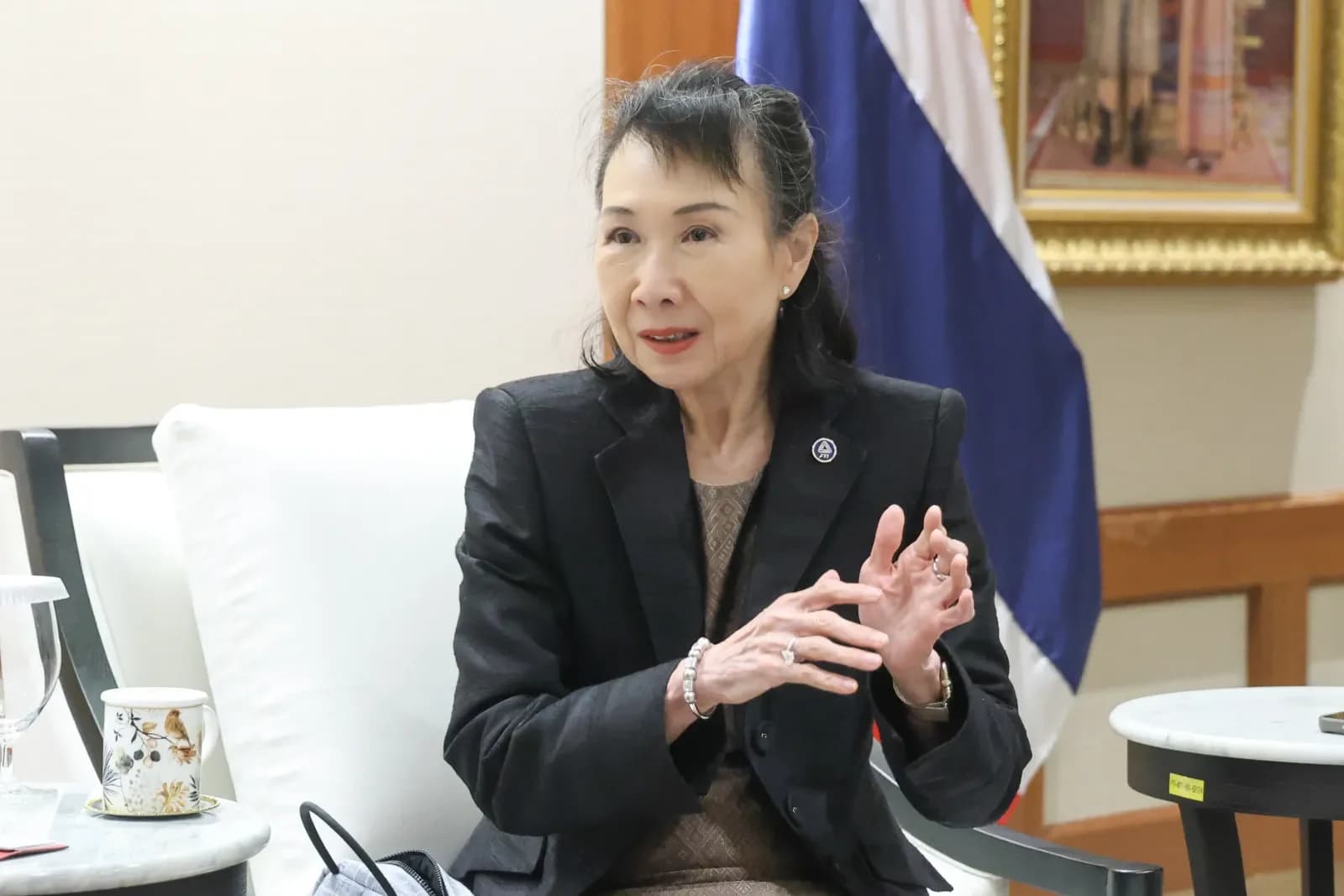
นายปรีดา วัชรเธียรสกุล รองประธาน ส.อ.ท. และประธานสถาบันน้ำ สิ่งแวดล้อม และ Climate Change กล่าวว่า “โจทย์สำคัญของภาคอุตสาหกรรมวันนี้ไม่ใช่เพียงการเปลี่ยนผ่านสู่พลังงานสะอาด แต่ต้องทำให้การเปลี่ยนผ่านนั้นช่วยลดต้นทุน เสริมความมั่นคงด้านพลังงาน และรักษาขีดความสามารถในการแข่งขันของประเทศ การเชื่อมโยงผู้ประกอบการไทยกับแหล่งเงินทุนและเทคโนโลยีจาก JBIC จึงเป็นโอกาสที่จะช่วยให้การลงทุนด้านพลังงานและ Decarbonization เกิดขึ้นได้จริงมากขึ้น”
ส.อ.ท. ได้ผลักดันแนวคิด “Thailand Pragmatic Energy Transition” ซึ่งให้ความสำคัญกับการเปลี่ยนผ่านด้านพลังงานที่สอดคล้องกับบริบทและศักยภาพของประเทศไทย โดยมุ่งเพิ่มสัดส่วนและศักยภาพพลังงานสะอาดภายในประเทศ ยกระดับการใช้พลังงานชีวภาพ เพิ่มประสิทธิภาพการใช้พลังงาน และลดการพึ่งพาเชื้อเพลิงฟอสซิล เพื่อให้ภาคอุตสาหกรรมสามารถลดต้นทุนและลดการปล่อยก๊าซเรือนกระจกควบคู่กัน
แนวทางดังกล่าวสอดคล้องกับทิศทางการสนับสนุนของ JBIC ในด้าน Energy Efficiency, Renewable Energy และ Low-carbon Transition ตลอดจนความร่วมมือภายใต้กรอบ AZEC-SAVE ซึ่งสามารถเป็นอีกกลไกหนึ่งในการสนับสนุนผู้ประกอบการและ Supply Chain ของญี่ปุ่นในประเทศไทยให้เดินหน้าสู่การลดการปล่อยก๊าซเรือนกระจก
นายนที สิทธิประศาสน์ ประธานกลุ่มอุตสาหกรรมพลังงานหมุนเวียน ส.อ.ท. กล่าวว่า “ประเทศไทยมีศักยภาพด้านพลังงานหมุนเวียนและพลังงานชีวภาพที่สามารถนำมาต่อยอดเพื่อลดต้นทุนและเพิ่มความมั่นคงทางพลังงานได้อีกมาก หากผู้ประกอบการสามารถเข้าถึงเงินทุนและเทคโนโลยีที่เหมาะสม จะช่วยเร่งให้โครงการ Energy Efficiency และ Renewable Energy เกิดขึ้นได้จริง และทำให้ Supply Chain ในประเทศไทยสามารถตอบโจทย์เป้าหมายด้านคาร์บอนของตลาดโลกได้ดีขึ้น”
สำหรับขั้นตอนต่อไป ส.อ.ท. จะนำข้อมูลและแนวทางจากการหารือกับ JBIC ไปเชื่อมโยงกับกลุ่มอุตสาหกรรมและสมาชิก เพื่อ สำรวจความต้องการ คัดเลือกโครงการที่มีศักยภาพ และพัฒนาแนวทางการเข้าถึงกลไกสนับสนุนทางการเงินที่เหมาะสม โดยมุ่งให้เกิดโครงการลงทุนจริงที่ช่วยลดต้นทุน เพิ่มประสิทธิภาพพลังงาน และยกระดับความแข็งแกร่งของ Supply Chain ไทย–ญี่ปุ่น
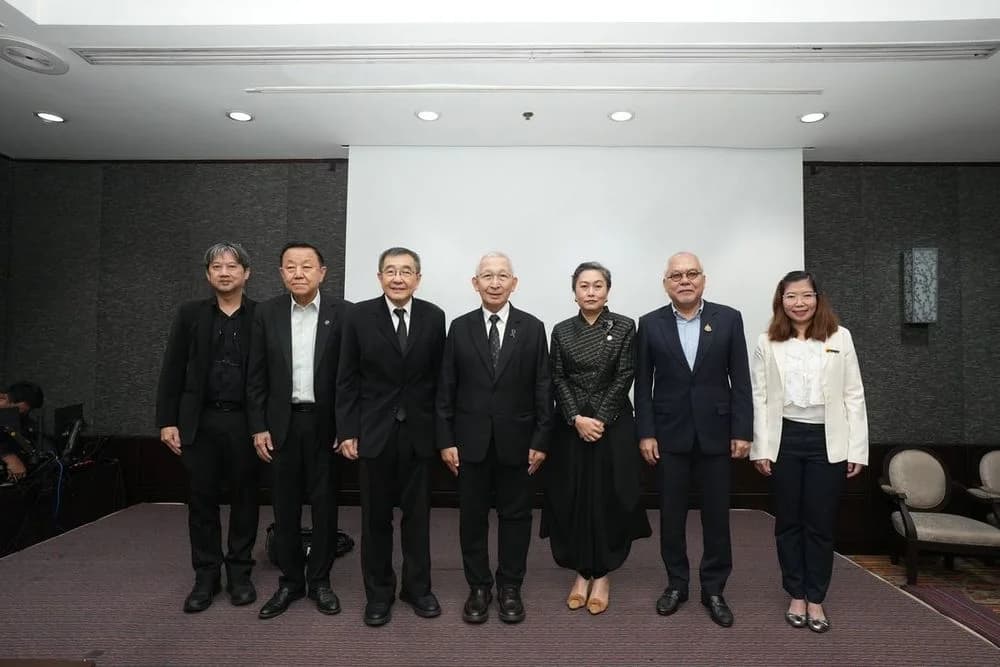
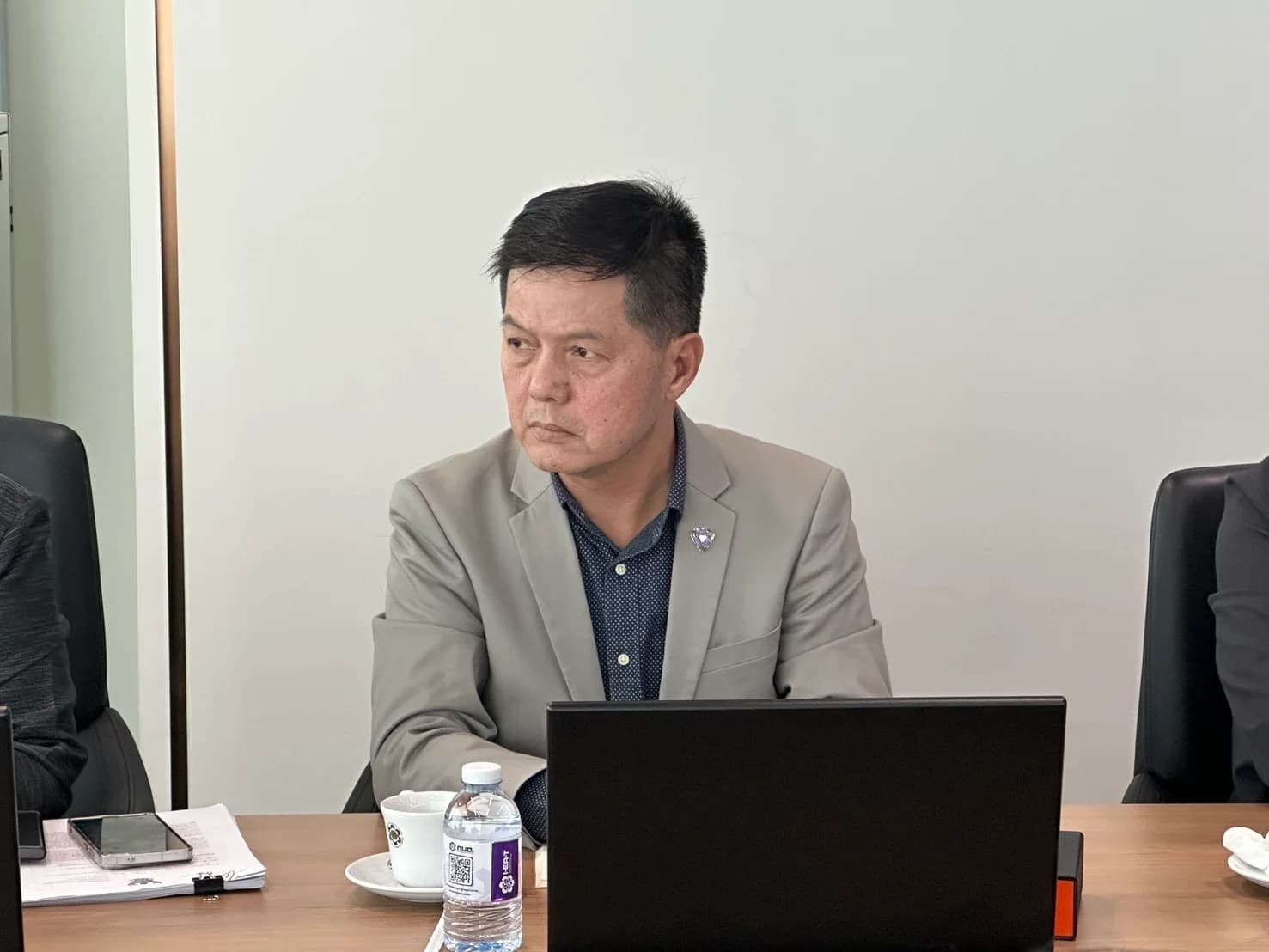
การหารือดังกล่าวเกิดขึ้นเมื่อวันที่ 21 สิงหาคม 2569 โดยนายปรีดา วัชรเธียรสกุล พร้อมด้วยนายนที สิทธิประศาสน์ และคณะกรรมการ ส.อ.ท. หารือร่วมกับคณะผู้แทนจาก JBIC นำโดย Mr. SHIRAISHI Takanori, Chief Representative และ Mr. SHIMATANI Tokuro, Representative สำนักงานผู้แทน JBIC กรุงเทพฯ ณ สภาอุตสาหกรรมแห่งประเทศไทย
The Federation of Thai Industries (FTI) is moving forward with connecting the Thai industrial sector to funding sources, technology, and cooperation from Japan to address volatility in energy and critical raw materials, enhancing the resilience of the Thai-Japan Supply Chain and supporting investment for a transition to a low-carbon industry by leveraging the financial mechanisms of the Japan Bank for International Cooperation (JBIC) to materialize investment opportunities for Thai entrepreneurs.
One of the key mechanisms is the “POWERR Asia FAST Window” (Partnership on Wide Energy and Resources Resilience Asia Finance for Agile and Secure Trade Window) under the Japan Strategic Investment Facility, which supports the enhancement of security and resilience of energy and critical raw material supply chains, including investments in renewable energy, energy efficiency improvements, low-carbon alternative fuels, and decarbonization projects.
This mechanism is crucial for the Thai industrial sector amidst heightened geopolitical tensions, particularly in the Middle East, increasing the risks related to energy supply, commodity procurement, and global production costs. Expanding energy options, combined with access to capital and technology, is thus vital to maintaining competitiveness and ensuring the continuity of the Supply Chain.
Mr. Prida Watcharathamsakul, FTI Vice President and Chairman of the Institute of Water, Environment, and Climate Change, stated, “The critical challenge for the industrial sector today is not solely transitioning to clean energy but ensuring that this transition helps reduce costs, enhance energy security, and maintain the country's competitiveness. Connecting Thai operators with funding sources and technology from JBIC presents an opportunity to realize investments in energy and decarbonization.”
FTI has pushed forward the concept of “Thailand Pragmatic Energy Transition,” which emphasizes an energy transition that aligns with Thailand's context and capabilities, focusing on increasing the proportion and potential of clean energy within the country, enhancing biomass energy use, improving energy efficiency, and reducing reliance on fossil fuels to enable the industrial sector to lower costs and reduce greenhouse gas emissions simultaneously.
This approach aligns with JBIC's support for Energy Efficiency, Renewable Energy, and Low-carbon Transition initiatives, as well as cooperation under the AZEC-SAVE framework, which could serve as another mechanism to support operators and the Supply Chain of Japan in Thailand towards achieving greenhouse gas emissions reduction.
Mr. Natee Sitthiprasas, Chairman of the Renewable Energy Industry Group of FTI, stated, “Thailand possesses significant potential for renewable energy and biomass that can be leveraged to reduce costs and enhance energy security further. If operators can access appropriate capital and technology, it will expedite the realization of Energy Efficiency and Renewable Energy projects, enabling Supply Chains in Thailand to better meet the carbon goals of global markets.”
For the next step, FTI will connect the information and guidelines from discussions with JBIC to industry groups and members to explore needs, select potential projects, and develop appropriate access strategies to financial support mechanisms, aiming to realize investment projects that help reduce costs, enhance energy efficiency, and strengthen the Thai-Japan Supply Chain.
The discussions occurred on August 21, 2026, where Mr. Prida Watcharathamsakul, along with Mr. Natee Sitthiprasas and the FTI Board, engaged in talks with a delegation from JBIC led by Mr. SHIRAISHI Takanori, Chief Representative, and Mr. SHIMATANI Tokuro, Representative of the JBIC Bangkok Office at the Federation of Thai Industries.