
ส.อ.ท. เดินหน้าผลักดันการขนส่งทางถนนไทย–สปป.ลาวให้คล่องตัวและเท่าเทียม ลดข้อจำกัดการเปลี่ยนถ่ายสินค้า พัฒนา CCA–SSI และเปิดเส้นทางใหม่ พร้อมยกระดับกลไกหารือเป็นรายไตรมาส เพื่อให้การแก้ปัญหาการขนส่งทันต่อการเปลี่ยนแปลงและสนับสนุนการค้าระหว่างสองประเทศ
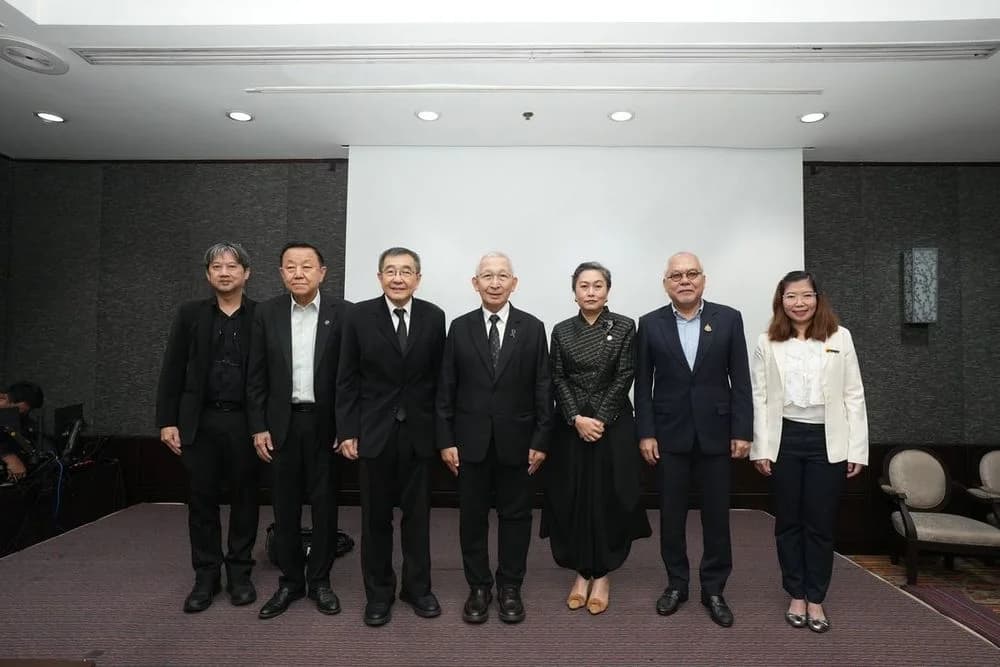
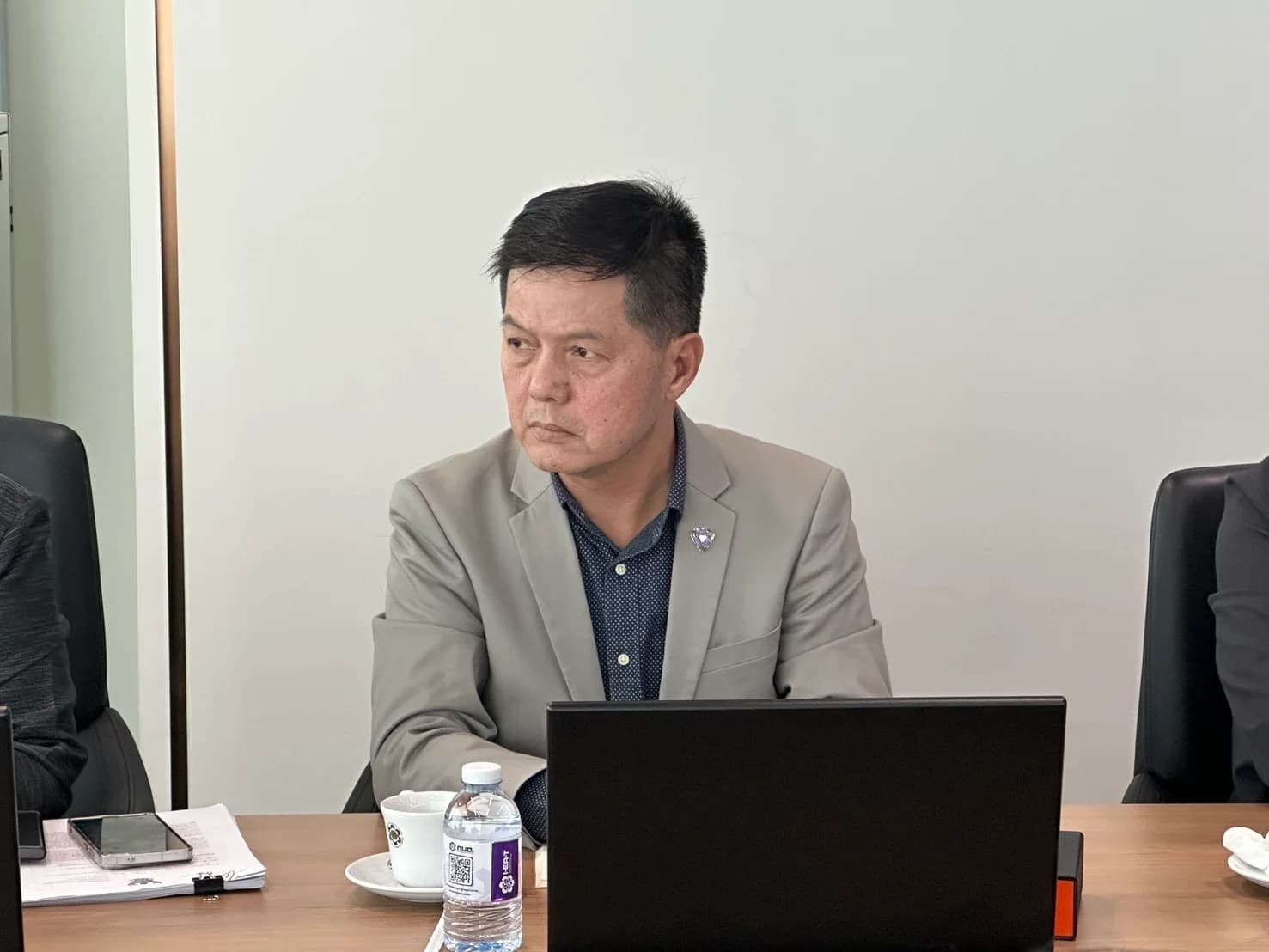
เมื่อวันที่ 3 กันยายน 2569 นายสุนทรพล วีระประวัติ รองประธานสายงานอาเซียนและโลจิสติกส์ สภาอุตสาหกรรมแห่งประเทศไทย (ส.อ.ท.) และประธานคณะอนุกรรมการส่งเสริมนำเข้า-ส่งออก การค้าชายแดนและผ่านแดน พร้อมด้วย นายธงชัย วณิชวิกรม รองประธานคณะอนุกรรมการโครงสร้างพื้นฐาน โลจิสติกส์ และซัพพลายเชน และนายปิยะวัฒน์ ลอออรรถพงศ์ อนุกรรมการและเลขานุการฯ เป็นผู้แทน ส.อ.ท. เข้าร่วมประชุมหารือด้านการขนส่งทางถนนระหว่างไทย–สปป.ลาว ณ ห้องแกรนด์บอลรูม โรงแรมพูลแมน หลวงพระบาง สปป.ลาว
[เร่งปลดล็อกการขนส่งสินค้า–สร้างความเท่าเทียมสองฝั่งชายแดน]
ประเด็นสำคัญที่ภาคธุรกิจไทยผลักดัน คือ การลดข้อจำกัดด้านการขนส่งสินค้าข้ามแดน โดยเฉพาะกรณีรถขนส่งสินค้าทะเบียนไทยที่เมื่อผ่านท่าบกของ สปป.ลาว ต้องเปลี่ยนถ่ายสินค้าไปยังรถทะเบียนลาว ซึ่งเป็นอุปสรรคที่ภาคเอกชนไทยติดตามหารือกับฝ่ายลาวมาอย่างต่อเนื่อง
ในการประชุมครั้งนี้ ฝ่ายไทยยืนยันหลักการให้การขนส่งสินค้าระหว่างสองประเทศเป็นไปอย่างเท่าเทียมและเกิดประโยชน์ร่วมกัน พร้อมแจ้งว่าไทยอยู่ระหว่างจัดทำประกาศกำหนดพื้นที่ให้รถขนส่งของ สปป.ลาว ต้องเข้ามาเปลี่ยนถ่ายสินค้าในพื้นที่ที่กำหนดของไทย เพื่อสร้างความสมดุลในการขนส่งข้ามพรมแดน
ขณะเดียวกัน ไทยเสนอการใช้พื้นที่ควบคุมร่วมกัน หรือ Common Control Area (CCA) และการตรวจแบบเบ็ดเสร็จ ณ จุดเดียว หรือ Single Stop Inspection (SSI) โดยศูนย์การขนส่งชายแดนนครพนมและศูนย์เปลี่ยนถ่ายรูปแบบการขนส่งสินค้าเชียงของ มีความพร้อมรองรับการดำเนินพิธีการที่เกี่ยวข้อง ขณะที่ฝ่ายลาวจะนำข้อเสนอไปหารือหน่วยงานภายในเพื่อหาข้อสรุปภายในปี 2569
[เปิดเส้นทางใหม่ เพิ่มทางเลือกการเดินทางและการค้า]
ด้านการขนส่งผู้โดยสาร ทั้งสองฝ่ายหารือการเปิดเดินรถโดยสารใหม่ 3 เส้นทาง ได้แก่ กรุงเทพฯ–สะหวันนะเขต, พัทยา–ปากเซ และพัทยา–นครหลวงเวียงจันทน์ เพื่อเพิ่มทางเลือกให้ประชาชนและนักท่องเที่ยว พร้อมหารือหลักเกณฑ์การกำหนดค่าโดยสารให้สะท้อนต้นทุนที่แท้จริงและสามารถปรับให้สอดคล้องกับสถานการณ์ด้านพลังงานในอนาคต
นอกจากนี้ ยังเตรียมกำหนดผู้ประสานงานหลักด้านการขนส่งผู้โดยสารและสินค้า เพื่อให้สามารถแก้ไขปัญหาและประสานข้อมูลระหว่างสองประเทศได้รวดเร็วยิ่งขึ้น รวมถึงขอให้ สปป.ลาว ยกร่างความตกลงว่าด้วยการขนส่งทางถนนฉบับใหม่เพื่อปรับปรุงให้สอดคล้องกับบริบทการขนส่งในปัจจุบัน
[จาก “ประชุมปีละครั้ง” สู่กลไกติดตามทุกไตรมาส]
อีกประเด็นสำคัญคือไทยเสนอให้ปรับความถี่การประชุมจากเดิมปีละครั้งเป็นทุกไตรมาส เพื่อให้การแก้ไขปัญหาและติดตามความคืบหน้าทำได้ต่อเนื่อง โดยเฉพาะประเด็นที่กระทบต่อผู้ประกอบการโดยตรง
ทั้งสองฝ่ายยังหารือการเตรียมบังคับใช้ระบบ GPS สำหรับรถขนส่งผู้โดยสารและสินค้า ที่จะเข้ามาในประเทศไทยในช่วงต้นปี 2570 โดยไทยพร้อมประสานด้านเทคนิคเพื่อสนับสนุนผู้ประกอบการลาว
การหารือครั้งนี้สะท้อนทิศทางสำคัญว่า การยกระดับการค้าชายแดนไม่ได้ขึ้นอยู่กับปริมาณสินค้าเพียงอย่างเดียว แต่ต้องอาศัยระบบขนส่งที่คล่องตัว กฎระเบียบที่สอดคล้อง และโครงสร้างพื้นฐานที่เชื่อมต่อกัน เพื่อช่วยลดต้นทุนและเวลาในการขนส่ง และเพิ่มศักยภาพไทย–ลาวในการเป็นส่วนหนึ่งของห่วงโซ่อุปทานระดับภูมิภาค
FTI is making strides to facilitate smooth and equitable road transport between Thailand and Lao PDR, aiming to reduce bottlenecks in cargo transfers, develop Common Control Areas (CCA) and Single Stop Inspections (SSI), and initiate new routes. Additionally, it has proposed to elevate the discussion mechanism to quarterly meetings to timely address transportation issues and support trade between the two nations.
On September 3, 2026, Mr. Sunthornpol Veeraprawat, Vice Chairman of ASEAN and Logistics Affairs at the Federation of Thai Industries (FTI), and Chairman of the Subcommittee on Trade Facilitation for Cross-Border and Transit Commerce, along with Mr. Thongchai Wanichvikrom, Vice Chairman of the Subcommittee on Infrastructure, Logistics, and Supply Chain, and Mr. Piyawat Laoordtpong, Subcommittee Member and Secretary, represented FTI in discussions regarding road transport between Thailand and Lao PDR at the Grand Ballroom of the Pullman Hotel in Luang Prabang, Lao PDR.
[Accelerating the Unblocking of Goods Transport – Creating Equitable Conditions on Both Sides of the Border]
One of the key issues that the Thai business sector is advocating for is the reduction of restrictions on cross-border goods transport, especially concerning Thai-registered trucks that must transfer cargo to Lao-registered trucks upon passing through border checkpoints in Lao PDR, which poses ongoing obstacles that the Thai private sector has consistently addressed with their Lao counterparts.
During this meeting, the Thai side affirmed the principle of ensuring that goods transport between the two countries remains equitable and beneficial to both parties. It was also communicated that Thailand is in the process of issuing a notification defining areas where Lao trucks must transfer their cargo to designated locations within Thailand to create a balance in cross-border transportation.
Simultaneously, Thailand proposed the establishment of Common Control Areas (CCA) and the use of Single Stop Inspections (SSI), whereby the Nakhon Phanom Border Transport Center and the Chiang Khong Cargo Transfer Center are prepared to handle the related procedures. The Lao side will take the proposals for internal discussion with relevant agencies to seek concluding agreements by the end of 2026.
[Opening New Routes to Enhance Travel and Trade Options]
Regarding passenger transport, both parties discussed launching three new bus routes, namely Bangkok–Savanakhet, Pattaya–Pakse, and Pattaya–Vientiane. This initiative aims to increase choices for the public and tourists while also discussing fare regulations that reflect actual costs and can be adjusted to align with future energy situations.
Furthermore, both sides are preparing to designate primary coordinators for passenger and cargo transport, which will enable faster resolution of issues and improved information coordination between the two countries. They also requested Lao PDR to draft a new agreement on road transport that aligns with the current transport context.
[From “Annual Meetings” to a Quarterly Monitoring Mechanism]
Another significant point raised by Thailand is the proposal to change the meeting frequency from once a year to quarterly, to ensure ongoing resolution of issues and continuous monitoring of progress, especially concerning matters that directly impact operators.
Both sides also discussed the impending implementation of GPS systems for passenger and cargo transport entering Thailand in early 2027, with Thailand offering technical support to assist Lao operators.
This discussion reflects a key direction that enhancing cross-border trade reliance not only on the volume of goods but also on a streamlined transport system, consistent regulations, and interconnected infrastructure to help reduce costs and transit times, thus bolstering the Thai-Lao capacity as part of the regional supply chain.