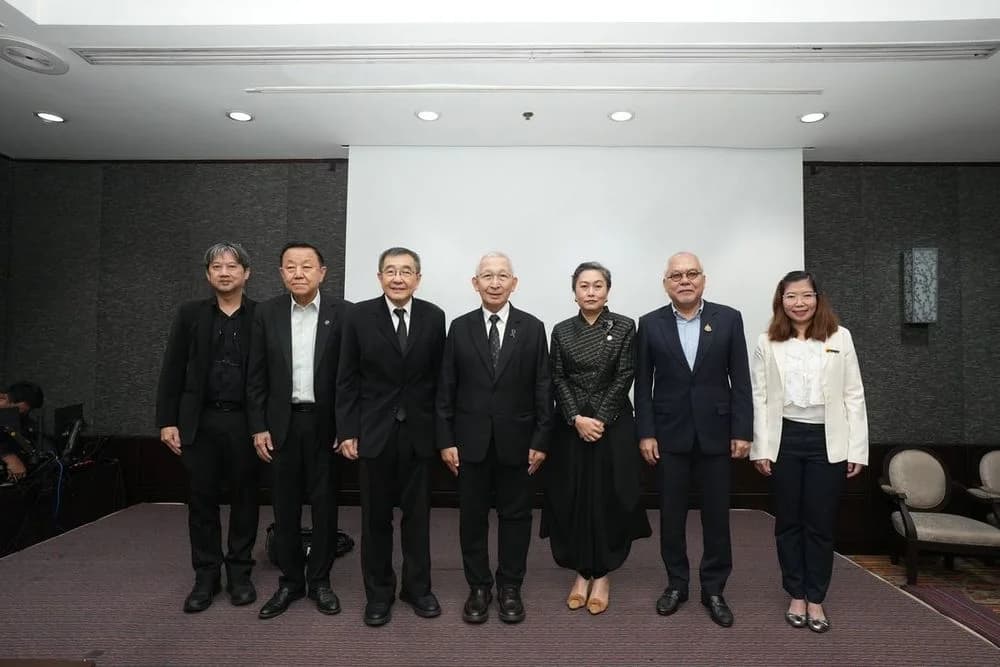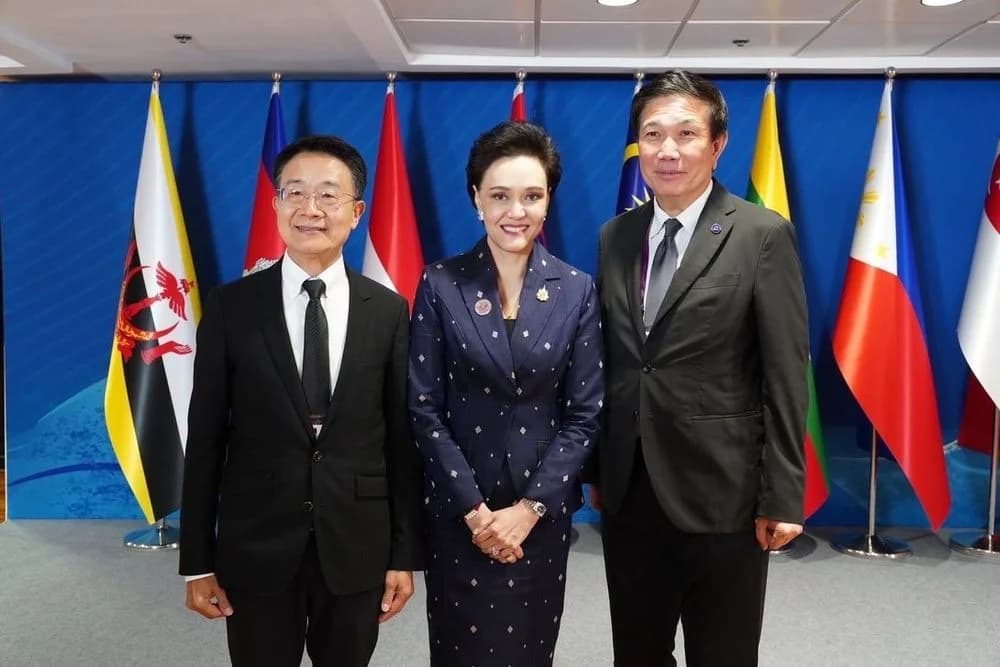
เมื่อวันจันทร์ที่ 16 กันยายน 2567 นายเกรียงไกร เธียรนุกุล ประธานสภาอุตสาหกรรมแห่งประเทศไทย (ส.อ.ท.) พร้อมด้วยคณะผู้บริหาร ส.อ.ท. ร่วมมอบกระเช้าดอกไม้แสดงความยินดีกับนายมาริษ เสงี่ยมพงษ์ รัฐมนตรีว่าการกระทรวงการต่างประเทศ เนื่องในโอกาสมีพระบรมราชโองการโปรดเกล้าฯ ให้ดำรงตำแหน่งรัฐมนตรีกระทรวงการต่างประเทศ พร้อมทั้งหารือถึงแนวทางการสนับสนุนการดำเนินงานด้านการต่างประเทศของภาครัฐและเอกชน ณ ห้องประชุม 3 กระทรวงการต่างประเทศ
ส.อ.ท. ได้นำเสนอประเด็นสำคัญที่ต้องการการสนับสนุนจากภาครัฐ อาทิ การสนับสนุนกิจกรรมกรอบความร่วมมือภาคเอกชน เพื่อผลักดันความร่วมมือระหว่างประเทศ อาทิ กรอบความร่วมมือทางเศรษฐกิจในอนุภูมิภาคลุ่มแม่น้ำโขง (GMS) กรอบความร่วมมือทางวิชาการและเศรษฐกิจระหว่าง 7 ประเทศในอ่าวเบงกอล (BIMSTEC) และยุทธศาสตร์ความร่วมมือทางเศรษฐกิจ อิรวดี-เจ้าพระยา-แม่โขง ระหว่างกัมพูชา ลาว เมียนมา ไทย และเวียดนาม (ACMECS) เป็นต้น รวมถึงการขยายโอกาสทางการค้าในตลาดที่มีศักยภาพ ผ่านการจัดทำความตกลงเขตการค้าเสรี (FTA) เช่น การเจรจาในความตกลง FTA TH-EU และสมาคมการค้าเสรียุโรป (EFTA) นอกจากนี้ ยังขอการสนับสนุนจากภาครัฐ ในการสนับสนุนการจัดกิจกรรมผ่านกลไกความร่วมมือสภาธุรกิจทั้งในระดับภูมิภาคและทวิภาคีทั้ง 23 สภาธุรกิจ ที่จัดตั้งโดยคณะกรรมการร่วมภาคเอกชน 3 สถาบัน (กกร.)
ทั้งนี้ ส.อ.ท. ยังได้นำเสนอปัญหาของผู้ประกอบการอุตสาหกรรมไทยที่ได้รับผลกระทบจากการไหลเข้า (Oversupply) ของสินค้าต่างประเทศราคาถูก และการทุ่มตลาดของสินค้าต่างประเทศ โดยเสนอให้ภาครัฐมีความเข้มงวดในแนวทางการปกป้องผู้ประกอบการในประเทศ พร้อมทั้งเสนอให้มีการสร้างความเข้าใจระหว่างประเทศถึงผลกระทบที่ผู้ประกอบการไทยได้รับ รวมทั้งยังเสนอให้ภาครัฐเน้นการเพิ่มบทบาทของไทยในห่วงโซ่คุณค่าโลก (Global Value Chains) ท่ามกลางความขัดแย้งทางภูมิรัฐศาสตร์ (Geopolitics) โดย กระทรวงการต่างประเทศยินดีที่จะรับข้อเสนอ รวมถึงความเห็นจากภาคเอกชน เพื่อนำไปปรับใช้ในการดำเนินการและการเจรจาเพื่อผลประโยชน์ของประเทศไทยต่อไป
On Monday, September 16, 2024, Mr. Kriangkrai Theeranukul, Chairman of the Federation of Thai Industries (FTI), along with the FTI executive team, presented a congratulatory flower basket to Mr. Maris Sangiamphong, Minister of Foreign Affairs, on the occasion of his royal appointment as Minister of Foreign Affairs. They also discussed ways to support the foreign affairs operations of the government and private sector at Meeting Room 3, Ministry of Foreign Affairs.
FTI presented key issues requiring government support, such as the support for private sector cooperation activities to promote international collaboration, like the economic cooperation framework in the Greater Mekong Subregion (GMS), the academic and economic cooperation framework among seven countries in the Bay of Bengal (BIMSTEC), and the economic cooperation strategy of the Ayeyawady-Chao Phraya-Mekong Economic Cooperation Strategy among Cambodia, Laos, Myanmar, Thailand, and Vietnam (ACMECS). Moreover, FTI called for expanding trade opportunities in potential markets through the establishment of free trade agreements (FTAs), such as the ongoing FTA negotiations between Thailand and the EU and the European Free Trade Association (EFTA). Additionally, FTI requested government support for organizing activities through the cooperative mechanism of business councils at both regional and bilateral levels among the 23 business councils established by the Joint Private Sector Committee of three organizations (Joint Private Sector Committee).
Furthermore, FTI presented the challenges faced by Thai industrial entrepreneurs due to the oversupply of low-cost foreign goods and foreign market dumping, urging the government to take stricter measures to protect domestic entrepreneurs. It also suggested enhancing understanding among nations regarding the impacts experienced by Thai entrepreneurs. Additionally, FTI proposed that the government focus on increasing Thailand's role in global value chains amid geopolitical conflicts. The Ministry of Foreign Affairs expressed its willingness to accept the proposals and feedback from the private sector to apply in future operations and negotiations for the benefits of Thailand.