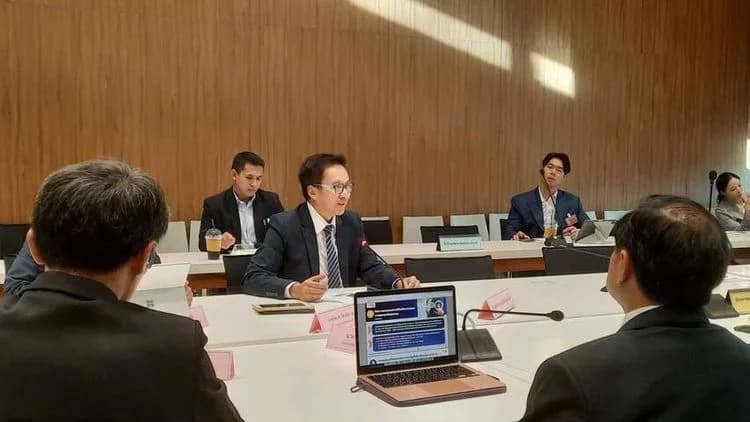
วันที่ 15 มีนาคม 2567 คลัสเตอร์วัสดุก่อสร้าง สภาอุตสาหกรรมแห่งประเทศไทย (ส.อ.ท.) จัดงานสัมมนาเรื่อง “Green Construction toward ESG Achievement” เพื่อพัฒนาขีดความสามารถในการแข่งขันให้กับอุตสาหกรรมวัสดุก่อสร้างตั้งแต่ต้นน้ำถึงปลายน้ำ ผ่านการแลกเปลี่ยนองค์ความรู้เกี่ยวกับเทคโนโลยีและนวัตกรรมใหม่ โดยได้รับเกียรติจากนายวิกรม วัชระคุปต์ ประธานคลัสเตอร์วัสดุก่อสร้าง สภาอุตสาหกรรมแห่งประเทศไทย (ส.อ.ท.) กล่าวรายงาน และนายอภิชิต ประสพรัตน์ รองประธาน ส.อ.ท. กล่าวเปิดงาน ณ อาคาร O-NES TOWER สุขุมวิท ซอย 6
นายวิกรม วัชระคุปต์ ประธานคลัสเตอร์วัสดุก่อสร้าง สภาอุตสาหกรรมแห่งประเทศไทย (ส.อ.ท.) กล่าวถึงงานสัมมนาครั้งนี้ว่ามีเป้าหมายสำคัญเพื่อส่งเสริมและพัฒนาขีดความสามารถใน การแข่งขันให้กับอุตสาหกรรมวัสดุก่อสร้างตลอดห่วงโซ่อุปทาน (Supply chain) ผ่านความร่วมมือระหว่างหน่วยงานภาครัฐและเอกชน โดยมุ่งเน้นให้เกิดการแลกเปลี่ยนองค์ความรู้เกี่ยวกับเทคโนโลยี นวัตกรรม และแนวโน้มอุตสาหกรรมวัสดุก่อสร้างที่เป็นประโยชน์ต่อภาคอุตสาหกรรม
“สำหรับอุตสาหกรรมก่อสร้างในปี 2567 คาดการณ์ว่ามีแนวโน้มขยายตัวประมาณร้อยละ 2 ต่อปี มูลค่าประมาณ 1.4 ล้านล้านบาท โดยเป็นการขยายตัวจากการก่อสร้างของภาครัฐร้อยละ 2 ต่อปี มูลค่าประมาณ 810,000 บาท ซึ่งส่วนใหญ่เป็นการก่อสร้างที่เป็นโครงการต่อเนื่องจากอดีต เช่น โครงการรถไฟความเร็วสูง โครงการรถไฟทางคู่ โครงการรถไฟฟ้า โครงการมอเตอร์เวย์ และการก่อสร้างในภาคเอกชนมูลค่าประมาณ 598,000 บาท ขยายตัวร้อยละ 3 ต่อปี โดยเป็นโครงการก่อสร้างอาคารที่อยู่อาศัย อาคารสำนักงาน พื้นที่ค้าปลีก โรงงานอุตสาหกรรม รวมถึงการปรับปรุง ซ่อมแซม โรงแรมให้สอดคล้องกับการขยายตัวในภาคการท่องเที่ยวหลังสถานการณ์การระบาดของโควิด-19 ที่ผ่อนคลายลงแล้ว ปัจจัยข้างต้นเหล่านี้จึงส่งผลโดยตรงต่อแนวโน้มความต้องการใช้วัสดุก่อสร้าง ซึ่งคาดการณ์ว่าปี 2567-2568 ความต้องการจะเติบโตขึ้นโดยเฉลี่ยร้อยละ 3.5 – 4 ต่อปี”
นอกจากนี้ นายวิกรม กล่าวเพิ่มเติมว่า “การก่อสร้างอาคารสมัยใหม่ที่ปลอดภัยและเป็นมิตรกับสิ่งแวดล้อม หรือ Green Construction จะกลายเป็นรูปแบบการดำเนินธุรกิจกระแสหลักของไทยในอนาคตอันใกล้ โดยเป็นผลกระทบโดยตรงจากแนวโน้มการดำเนินธุรกิจและการลงทุนของโลกที่มุ่งให้ความสำคัญกับความยั่งยืนหรือหลัก ESG อันได้แก่ การดูแลสิ่งแวดล้อม การรับผิดชอบต่อสังคม และการบริหารงานที่ยึดหลักธรรมาภิบาล ควบคู่ไปกับการแสวงหาผลกำไรของธุรกิจ”
ด้านนายอภิชิต ประสพรัตน์ รองประธานสภาอุตสาหกรรมแห่งประเทศไทย (ส.อ.ท.) เน้นย้ำถึงความร่วมมือระหว่างคลัสเตอร์วัสดุก่อสร้าง ส.อ.ท. และหน่วยงานที่เกี่ยวข้อง เพื่อให้ภาครัฐและภาคเอกชนตระหนักถึงความสำคัญของอุตสาหกรรมวัสดุก่อสร้างที่มีความเกี่ยวเนื่องกับผู้ประกอบการในหลายธุรกิจ ซึ่งมีความจำเป็นที่จะต้องติดตามทิศทางการเปลี่ยนแปลงของอุตสาหกรรมอย่างใกล้ชิด รวมถึงความท้าทายของอุตสาหกรรมที่จะเกิดขึ้นในอนาคตโดยเฉพาะความท้าทายที่มาจากประเด็นด้านสิ่งแวดล้อมและความยั่งยืนที่เป็นแรงกดดันต่อการดำเนินธุรกิจในอนาคต
“ผู้ประกอบการต้องปรับตัวให้เท่าทันต่อแรงกดดันจากการดำเนินธุรกิจในระดับโลกที่ให้ความสำคัญต่อสิ่งแวดล้อมและความยั่งยืนมากขึ้น โดยเฉพาะการนำกรอบ ESG มาเป็นตัวชี้วัดสำคัญขององค์กรในการแสดงถึงการประกอบกิจการที่ไม่ได้มุ่งแสวงหากำไรแต่เพียงอย่างเดียว แต่ให้ความสำคัญต่อการใส่ใจสิ่งแวดล้อม รับผิดชอบต่อสังคม และบริหารงานอย่างมีธรรมาภิบาลควบคู่ไปด้วย”
“หากไม่มีการปรับเปลี่ยนการดำเนินธุรกิจ จะทำให้เกิดความเสี่ยงในการดำเนินธุรกิจมากขึ้นเช่นกัน อาทิ เสียโอกาสในการสร้างภาพลักษณ์ที่ดีให้แก่แบรนด์สินค้า ไม่สามารถเข้าถึงแหล่งเงินทุนใหม่ๆ สูญเสียความสามารถทางการแข่งขันจากการเผชิญกับมาตรการกีดกันทางการค้าต่างๆ อาทิ มาตรการปรับคาร์บอนก่อนเข้าพรมแดน (Carbon Border Adjustment Mechanism: CBAM) เป็นต้น” นายอภิชิต กล่าวเสริม
สภาอุตสาหกรรมแห่งประเทศไทยภายใต้นโยบาย ONE FTI สนับสนุนให้เกิดการขับเคลื่อน คลัสเตอร์วัสดุก่อสร้าง ซึ่งเป็นการรวมกลุ่มกันของกลุ่มอุตสาหกรรมที่เกี่ยวข้องกับผู้ผลิต 13 กลุ่ม อาทิ แก้วและกระจก แกรนิตและหินอ่อน เคมี เซรามิก เทคโนโลยีชีวภาพ ปูนซีเมนต์ พลาสติก ไฟฟ้าและอิเล็กทรอนิกส์ ไม้อัดไม้บางและวัสดุแผ่น โรงเลื่อยและโรงอบไม้ เหล็ก หลังคาและอุปกรณ์ และอลูมิเนียม เป็นต้น รวมทั้งยังมีสภาอุตสาหกรรมจังหวัด 5 ภูมิภาค ซึ่งถือเป็นอุตสาหกรรมดั้งเดิม หรือ First Industries ให้เกิดการเปลี่ยนผ่านไปสู่อุตสาหกรรมแห่งอนาคต หรือ Next – Gen Industries ที่ใส่ใจต่อสิ่งแวดล้อมและความยั่งยืน และพร้อมรับมือต่อความท้าทายทุกรูปแบบอย่างเป็นรูปธรรม และเป็นการบูรณาการร่วมกันอย่างครอบคลุมและรอบด้านทั้งในเชิงอุตสาหกรรมและในเชิงพื้นที่
…………………………………………………………..
คลัสเตอร์วัสดุก่อสร้าง สภาอุตสาหกรรมแห่งประเทศไทย
โทร. 02-345-1164
On March 15, 2024, the Construction Materials Cluster of the Federation of Thai Industries (FTI) organized a seminar titled “Green Construction toward ESG Achievement” to enhance the competitiveness of the construction materials industry from upstream to downstream through the exchange of knowledge about new technologies and innovations. The event was graced by Mr. Vikrom Vacharakul, Chairman of the Construction Materials Cluster of the Federation of Thai Industries (FTI), who delivered the report, and Mr. Apiwat Prasoprat, Vice Chairman of the FTI, who officially opened the event at O-NES TOWER, Sukhumvit Soi 6.
Mr. Vikrom Vacharakul, Chairman of the Construction Materials Cluster of the Federation of Thai Industries (FTI), stated that this seminar aims to promote and enhance competitiveness within the entire supply chain of the construction materials industry through collaboration between government and private sectors, focusing on knowledge exchange regarding technology, innovation, and trends in the construction materials industry that benefit the sector.
“For the construction industry in 2024, it is anticipated to expand by approximately 2% per year, with a value of about 1.4 trillion baht, driven by a 2% annual growth in government construction valued at about 810 billion baht, mainly from ongoing projects such as high-speed rail, dual-track rail, electric rail, motorway projects, alongside private sector construction worth approximately 598 billion baht, which is expected to grow by 3% per year, including residential buildings, office buildings, retail spaces, industrial factories, as well as renovations and upgrades for hotels to align with the recovery of the tourism sector after the easing of the COVID-19 pandemic. These factors directly influence the anticipated demand for construction materials, which is projected to grow by an average of 3.5% to 4% per year from 2024 to 2025.”
Furthermore, Mr. Vikrom added that “the construction of modern, safe, and environmentally friendly buildings, or Green Construction, will become a mainstream business model in Thailand in the near future, directly impacted by global business trends and investments that emphasize sustainability or ESG principles, which include environmental care, social responsibility, and governance alongside profit-seeking by businesses.”
Mr. Apiwat Prasoprat, Vice Chairman of the Federation of Thai Industries (FTI), emphasized the collaboration between the Construction Materials Cluster of the FTI and relevant agencies to raise awareness among the government and private sectors regarding the importance of the construction materials industry, which is interconnected with numerous businesses. It is imperative to monitor industry change trends closely, including future challenges, particularly regarding environmental issues and sustainability that will impact future business operations.
Under the ONE FTI policy, the Federation of Thai Industries supports the advancement of the Construction Materials Cluster, which is a coalition of industrial groups related to 13 sectors of producers, including glass and mirrors, granite and marble, chemicals, ceramics, biotechnology, cement, plastics, electrical and electronics, plywood and sheet materials, sawmills and wood drying, steel, roofing and equipment, as well as aluminum. There are also provincial industrial councils across five regions, representing traditional industries or First Industries, transitioning towards future industries or Next-Gen Industries that are environmentally conscious and sustainable, ready to tackle all forms of challenges concretely, and integrating comprehensively in both industrial and spatial terms.
…………………………………………………………..
Construction Materials Cluster, Federation of Thai Industries
Tel. 02-345-1164