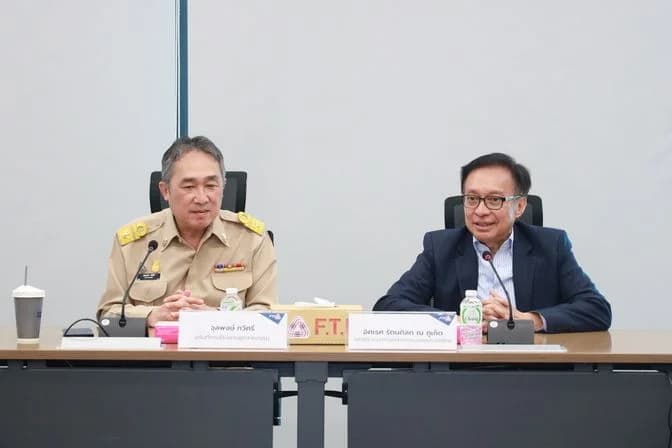

วันพฤหัสบดีที่ 30 พฤษภาคม 2567 นายชัยวัฒน์ โควาวิสารัช รองประธานสภาอุตสาหกรรมแห่งประเทศไทย (ส.อ.ท.) ได้รับเกียรติบรรยายในงาน Bangkok Post ESG Conference 2024 หัวข้อ Redefining Thailand‘s Industrial Sustainable Development ณ ห้อง World Ballroom ชั้น 23 โรงแรมเซนทาราแกรนด์ เซนทรัลเวิลด์
นายชัยวัฒน์ ได้นำเสนอภาพรวมความท้าทายโลกในปัจจุบันที่ส่งผลกระทบต่ออุตสาหกรรมการผลิตของไทย ได้แก่ ปัญหาความขัดแย้งทางภูมิรัฐศาสตร์ที่ก่อให้เกิดสงครามทางการค้า การเปลี่ยนแปลงทางเทคโนโลยี และปัญหาการเปลี่ยนแปลงสภาพภูมิอากาศ (Climate Change) ที่ส่งผลต่อภาวะโลกร้อนที่ทวีความรุนแรงขึ้น และกระทบต่อผลผลิตทางการเกษตรที่ลดลง ซึ่งกดดันการส่งออกสินค้าเกษตรของไทย อีกทั้ง ยังเป็นแรงกดดันต่อการเตรียมความพร้อมต่อการปฏิบัติตามมาตรการ Carbon Pricing เช่น มาตรการปรับคาร์บอนก่อนเข้าพรมแดน (Carbon Border Adjustment Mechanism) หรือ CBAM ของสหภาพยุโรป เป็นต้น
นอกจากนี้ นายชัยวัฒน์ ยังได้เสนอแนวทางขับเคลื่อนอุตสาหกรรมไทย ด้วยโมเดลเศรษฐกิจใหม่ที่เรียกว่า “BCG” (Bio-Circular-Green Economy) หรือเศรษฐกิจชีวภาพ เศรษฐกิจหมุนเวียน เศรษฐกิจสีเขียว ซึ่งจะมีบทบาทในทุกอุตสาหกรรม และยังเป็นจุดเด่นของประเทศไทยที่มีความหลากหลายทางชีวภาพ รวมถึงส่งเสริมกลุ่มอุตสาหกรรมเดิม (First Industries) และเตรียมกฎหมายเพื่อรองรับอุตสาหกรรมใหม่หรืออุตสาหกรรมแห่งอนาคต (Next-Gen Industries) ที่ประกอบด้วย 12 อุตสาหกรรมเป้าหมาย (S-Curves) ควบคู่ไปกับการพัฒนาอุตสาหกรรมดังกล่าว
ทั้งนี้ ส.อ.ท. ได้มีการดำเนินการเตรียมความพร้อมด้านการเปลี่ยนแปลงทางสภาพภูมิอากาศให้กับกลุ่มผู้ประกอบการ SME ภายใต้สถาบันการเปลี่ยนแปลงสภาพภูมิอากาศ (Climate Change Institute : CCI) ทั้งนี้การบูรณาการความร่วมมือระหว่างภาครัฐและภาคเอกชนในการทำงานร่วมกัน เพื่อขับเคลื่อนและยกระดับภาคอุตสาหกรรม จะเป็นโอกาสที่ดีของประเทศไทยในอนาคต
On Thursday, May 30, 2024, Mr. Chaiwat Kovavisarach, Vice President of the Federation of Thai Industries (FTI), was honored to deliver a lecture at the Bangkok Post ESG Conference 2024 on the topic of Redefining Thailand‘s Industrial Sustainable Development at the World Ballroom, 23rd floor of Centara Grand at CentralWorld.
Mr. Chaiwat presented an overview of the global challenges currently impacting Thailand's manufacturing industry, including geopolitical conflicts leading to trade wars, technological changes, and climate change issues that contribute to intensifying global warming and reduced agricultural productivity, which pressures Thailand's agricultural exports. Additionally, there are pressures to prepare for compliance with Carbon Pricing measures, such as the Carbon Border Adjustment Mechanism (CBAM) of the European Union.
Furthermore, Mr. Chaiwat proposed a way forward for the Thai industry through a new economic model called “BCG” (Bio-Circular-Green Economy), which integrates bioeconomy, circular economy, and green economy. This model will play a role in all industries and is a highlight for Thailand, which boasts rich biodiversity, as well as promoting traditional industries (First Industries) and preparing legislation to support new or future industries (Next-Gen Industries), comprising 12 target industries (S-Curves) alongside the development of these industries.
In addition, FTI has undertaken measures to prepare for climate change for SME operators under the Climate Change Institute (CCI). The integration of cooperation between the public and private sectors to work together in advancing and elevating the industrial sector will provide a significant opportunity for Thailand in the future.