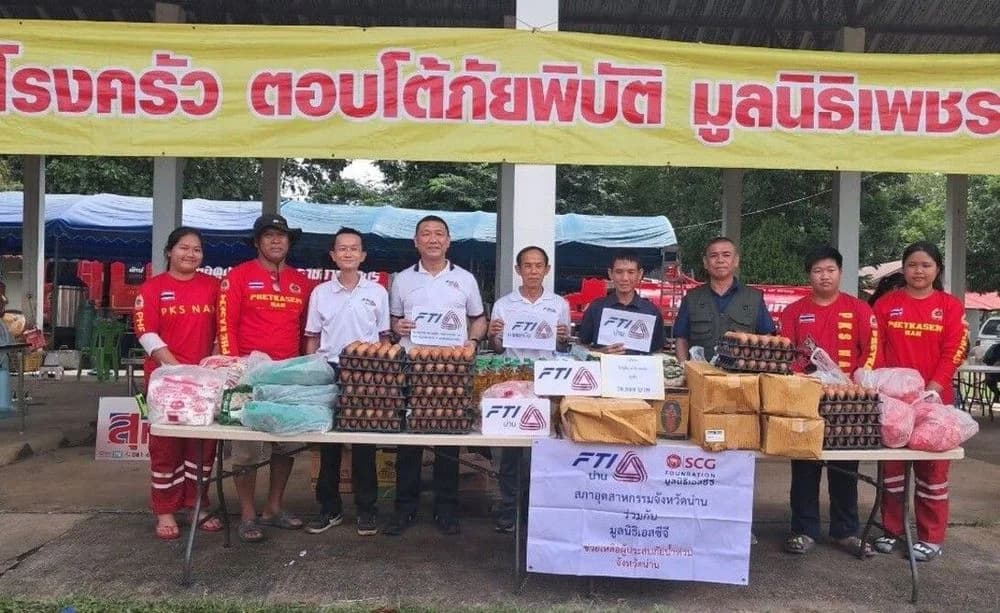

ท่ามกลางสถานการณ์อุทกภัยที่ยังคงส่งผลกระทบอย่างต่อเนื่อง สภาอุตสาหกรรมแห่งประเทศไทย (ส.อ.ท.) ได้เร่งเยียวยาผู้ประสบภัยในหลายพื้นที่ของภาคใต้ โดยเฉพาะอำเภอหาดใหญ่และจังหวัดใกล้เคียง โดยวันนี้ (วันที่ 1 ธันวาคม 2568) นายเกรียงไกร เธียรนุกุล ประธาน ส.อ.ท. พร้อมคณะผู้บริหารและพนักงาน ได้จัดเตรียมถุงยังชีพกว่า 1,000 ชุด พร้อมด้วยสิ่งของอุปโภคบริโภคที่จำเป็นจำนวนมาก เพื่อนำไปมอบให้ยังสำนักงานสภาอุตสาหกรรมจังหวัดสงขลา และศูนย์ส่งเสริมอุตสาหกรรมภาคที่ 11 เพื่อกระจายความช่วยเหลือสู่พื้นที่ประสบภัย
สิ่งของที่ได้รับการบริจาคในครั้งนี้มีทั้งบะหมี่กึ่งสำเร็จรูป อาหารกระป๋อง อาหารและขนมพร้อมทาน น้ำดื่ม นม ยาสีฟัน แชมพู ยารักษาโรค ยาสามัญประจำบ้าน ของใช้ส่วนตัว เสื้อผ้า ผ้าอนามัย ผ้าอ้อมเด็กและผู้สูงอายุ หมอน กระดาษชำระ ถุงขยะ ไม้กวาดทางมะพร้าว อุปกรณ์และน้ำยาทำความสะอาด รองเท้าแตะ รวมถึงอาหารสัตว์เลี้ยง เพื่อตอบโจทย์ความจำเป็นหลากหลายด้านของประชาชนในช่วงวิกฤต ซึ่งทั้งหมดจัดขึ้นภายใต้ “โครงการส่งน้ำใจคนไทยสู่ภาคใต้” ที่ดำเนินการร่วมกันระหว่างมูลนิธิพัฒนาอุตสาหกรรม สภาอุตสาหกรรมแห่งประเทศไทย (ส.อ.ท.) โดยได้รับการสนับสนุนรถขนส่งของบริจาคจากบริษัท ไปรษณีย์ไทย จำกัด นำโดยนายอนันต์ นุ่มดี รองกรรมการผู้จัดการใหญ่ด้านปฏิบัติการนครหลวง และบริษัท มีโชคขนส่ง จำกัด นำโดยนางสาวเจนจิรา กงทอง รองประธานสภาอุตสาหกรรมจังหวัดนครราชสีมา
ควบคู่กับการส่งมอบถุงยังชีพ วันนี้ ส.อ.ท. ยังได้ลงพื้นที่สำรวจความเสียหายของสมาชิกในพื้นที่ภาคใต้ ซึ่งพบว่ามีโรงงานอุตสาหกรรมใน 9 จังหวัด ได้แก่ สงขลา สุราษฎร์ธานี นครศรีธรรมราช ตรัง ปัตตานี ยะลา นราธิวาส พัทลุง และสตูล ได้รับผลกระทบรวมมูลค่ากว่า 3 ล้านบาท จึงเตรียมร่วมหารือร่วมกับภาคส่วนต่าง ๆ เพื่อติดตามสถานการณ์อย่างใกล้ชิด และวางแนวทางสนับสนุนการฟื้นฟูอย่างเป็นระบบ
ในโอกาสนี้ นายเกรียงไกร ได้กล่าวแสดงความเสียใจอย่างสุดซึ้งต่อครอบครัวผู้เสียชีวิตจากเหตุการณ์ที่เกิดขึ้น พร้อมขอส่งกำลังใจให้แก่ผู้ประสบภัยทุกคน รวมถึงเจ้าหน้าที่และอาสาสมัครที่ทุ่มเทปฏิบัติหน้าที่ท่ามกลางความยากลำบาก พร้อมยืนยันว่า ส.อ.ท. จะเดินเคียงข้างพี่น้องไทยในทุกสถานการณ์ และเร่งผลักดันมาตรการช่วยเหลือผู้ประกอบการภาคใต้ให้เกิดขึ้นโดยเร็วที่สุด
เพื่อให้การฟื้นฟูดำเนินไปอย่างเป็นขั้นตอน ส.อ.ท. จึงจัดทำข้อเสนอแนวทางการช่วยเหลือแบ่งออกเป็น 3 ระยะ เริ่มจาก มาตรการช่วยเหลือเร่งด่วน (ช่วงน้ำลด – 3 เดือน) แบ่งเป็น
1.1 กองทุนซ่อมเครื่องจักรเร่งด่วน
• เงินสนับสนุนเฉพาะกิจสำหรับซ่อมเครื่องจักร/ระบบไฟฟ้า
• ใช้รูปแบบ MATCHING FUND เช่น “รัฐ 50% – โรงงาน 50%”
• สามารถลดช่วงเวลาที่สายการผลิตหยุดทำงาน (DOWNTIME) และช่วยให้โรงงานกลับมาผลิตเร็วขึ้น
1.2 จัดทีมวิศวกรเคลื่อนที่ (INDUSTRIAL FAST RESPONSE TEAM) และโครงการ “RE-EQUIPMENT” ซ่อม/เปลี่ยนอุปกรณ์ราคาประหยัด
• ส่งทีมผู้เชี่ยวชาญเพื่อให้คำปรึกษาด้านการฟื้นฟูเครื่องจักรและอุปกรณ์ รวมทั้งช่วยจับคู่ (MATCHING) กับบริษัทที่จำหน่ายเครื่องจักร อุปกรณ์ และวัตถุดิบในราคาพิเศษ
• ภาครัฐสนับสนุนงบประมาณผ่านสถาบันอาชีวะ ในพื้นที่ดำเนินโครงการ “RE-EQUIPMENT” ซ่อม/เปลี่ยนอุปกรณ์ราคาประหยัด
1.3 โครงการ “พี่ช่วยน้องอุตสาหกรรมไทย” (INDUSTRIAL EQUIPMENT SHARING PROGRAM)
• บริษัทของพี่ดำเนินโครงการแบ่งปันเครื่องมือ–เครื่องจักรที่ไม่ได้ใช้งานให้แก่ “บริษัทน้อง” ที่ได้รับผลกระทบจากภัยพิบัติเพื่อช่วยให้สามารถกลับมาดำเนินกระบวนการผลิตได้อย่างรวดเร็ว ลดระยะเวลา DOWNTIME ลดความสูญเสียทางเศรษฐกิจ และเสริมความเข้มแข็งให้ภาคอุตสาหกรรมไทยทั้งระบบ โดยมีรูปแบบการดำเนินงาน 3 แนวทาง ได้แก่ 1) การแบ่งปัน (SHARING) 2) การให้เช่า (LEASING) 3) การใช้งานร่วมกันผ่าน (POOL) โดยโครงการนี้จะดำเนินการควบคู่กับการสำรวจ ความต้องการและศักยภาพเพื่อ MATCHING รวมถึงการบริหารจัดการโลจิสติกส์และการติดตั้งเครื่องจักร
• บริษัทพี่จะสนับสนุนส่วนลดค่าเครื่องจักร อุปกรณ์ และวัตถุดิบ เพื่อให้กับบริษัทน้องที่ได้รับผลกระทบจากอุทกภัย เช่น มอเตอร์ไฟฟ้า เครื่องปั๊มลม อุปกรณ์ที่เกี่ยวข้องกับระบบไฟฟ้า เครื่องมือช่าง เป็นต้น
1.4 สินเชื่อ SOFT LOAN เพื่อช่วยเหลือผู้ประกอบการที่ได้รับผลกระทบจากอุทกภัย อัตราดอกเบี้ยต่ำพิเศษ 0.1–1%
• ปล่อยสินเชื่อ SOFT LOAN ให้เฉพาะผู้ประกอบการในพื้นที่ภัยพิบัติ อัตราดอกเบี้ยต่ำพิเศษ 0.1–1%
• วงเงินสำหรับทุนหมุนเวียน ซ่อมแซม ซื้อวัตถุดิบ
• ระยะปลอดชำระเงินต้น 12–18 เดือน
1.5 จัดตั้งศูนย์จัดการขยะชั่วคราว เพื่อทำหน้าที่รวบรวม–คัดแยก–พัก–ขนส่ง–กำจัด ขยะหลังน้ำลดในพื้นที่ประสบอุทกภัย
• กำหนดจุดตั้งศูนย์ในพื้นที่ปลอดภัยจากน้ำท่วม เข้าถึงง่าย แยกโซนชัดเจน เช่น ขยะทั่วไป ขยะอินทรีย์ ขยะก่อสร้างและซากเฟอร์นิเจอร์ และขยะอันตราย เพื่อป้องกันการปนเปื้อนและลดความเสี่ยงด้านสุขภาพ
• จัดทีมเก็บขยะหลังน้ำลดแบบรายวัน พร้อมรถขนส่งเฉพาะประเภท เพื่อนำส่งไปกำจัดที่ถูกต้องตามมาตรฐานขององค์กรปกครองส่วนท้องถิ่น (อปท.) และกรมควบคุมมลพิษ
• จัดเจ้าหน้าที่ตรวจคัดกรองวัสดุอันตราย ตั้งระบบฉีดพ่นน้ำลดฝุ่นและกลิ่น จัดการน้ำเสียจากพื้นที่พักขยะ รวมถึงรณรงค์ให้ประชาชนคัดแยกก่อนนำมาทิ้ง
1.6 เครื่องจักรและวัตถุดิบสามารถย้ายออกจากโรงงานไปยังสถานที่อื่นหรือส่งออกในกรณีฉุกเฉินได้ โดยขออนุญาตจากสำนักงานคณะกรรมการส่งเสริมการลงทุน (BOI) สามารถกระทำได้ภายหลัง
• สามารถขนย้ายเครื่องจักรและวัตถุดิบออกไปยังพื้นที่ปลอดภัย หรือส่งออกไปยังบริษัทเครือข่ายต่างประเทศโดยไม่ต้องรออนุมัติล่วงหน้า โดยผู้ประกอบการสามารถจัดทำบัญชีรายการเครื่องจักร/วัตถุดิบที่เคลื่อนย้าย พร้อมเอกสารประกอบ เพื่อใช้ยื่นแจ้ง BOI ภายหลัง โดยอนุญาตให้ยื่นรายงานย้อนหลังภายในระยะเวลาที่กำหนด ภายใน 15–30 วันหลังเหตุการณ์สงบ
จากนั้นจึงต่อเนื่องด้วย มาตรการระยะกลาง (3–12 เดือน) ได้แก่
1.1 โครงการช่วยค่าประกันภัยน้ำท่วม
• รัฐช่วยสมทบเบี้ยประกันภัยน้ำท่วม 30–50%
• ลดความเสี่ยง และช่วยให้ธุรกิจเข้าถึงประกันได้ง่ายขึ้น
• ลดภาระงบเยียวยารัฐในอนาคต
1.2 สนับสนุนการย้ายเครื่องจักร/คลังสินค้าไปพื้นที่ปลอดภัย
• สนับสนุนเงินชดเชยค่าโลจิสติกส์ ค่าใช้จ่ายในการย้ายที่อยู่ (RELOCATION) และค่าปรับผังโรงงาน
• กระตุ้นให้โรงงานย้ายระบบวิกฤต (CRITICAL SYSTEM) ให้สูงขึ้นหรือไปตำแหน่งเสี่ยงต่ำ
1.3 สนับสนุนแรงงาน
• เงินอุดหนุนค่าแรงชั่วคราวให้โรงงานที่ยังไม่กลับมาผลิตเต็มกำลัง
• ฝึก RESKILL และ UPSKILL แรงงานช่วงโรงงานหยุด
1.4 ยกเว้นอากรนำเข้าวัตถุดิบที่นำเข้า ตามมาตรา 36 ที่ได้รับความเสียหายจากเหตุอุทกภัย
• ยกเว้นอากรนำเข้าทดแทนวัตถุดิบที่เสียหาย โดยอนุญาตให้ผู้ประกอบการที่ได้รับความเสียหายจากน้ำท่วม สามารถนำเข้าวัตถุดิบใหม่มาทดแทนในปริมาณที่เทียบเท่าของที่สูญเสีย โดยไม่ต้องชำระอากรขาเข้า เพื่อเร่งฟื้นฟูการผลิต
1.5 มาตรการด้านภาษี
• ยกเว้นภาษีที่ดินและสิ่งปลูกสร้าง ประจำปี 2569 สำหรับผู้ประสบอุทกภัย จากเดิมที่ขยายเวลาเก็บภาษีที่ดินสิ่งปลูกสร้าง ปี 2569 ไป 6 เดือน
• หักค่าเสื่อมราคาเครื่องจักรซ่อมแซมได้เร็วขึ้น (ACCELERATED DEPRECIATION)
• ลดหย่อนภาษีสำหรับโครงการสร้างการป้องกันอุทกภัย (FLOOD PROTECTION)
• ยกเว้นภาษีนำเข้าอะไหล่–เครื่องจักรที่ใช้ซ่อมโรงงาน
1.6 มาตรการส่งเสริมฟื้นฟูเศรษฐกิจท้องถิ่นในพื้นที่ภาคใต้
• โครงการส่งเสริมการท่องเที่ยวภาคใต้
• มหกรรมไลฟ์ขายสินค้าช่วยชาวใต้โดยอินฟลูเอนเซอร์หรือติ๊กต็อกเกอร์
• โครงการจ้างงานเร่งด่วน (CASH-FOR-WORK) ในงานซ่อมแซมชุมชน และส่งเสริมอาชีพตามศักยภาพพื้นที่
• ส่งเสริม E-COMMERCE ข้ามแดนสำหรับสินค้าท้องถิ่น
สำหรับ มาตรการระยะยาว (1 ปีขึ้นไป) ส.อ.ท. เสนอให้มีการยกระดับการแก้ไขปัญหาอุทกภัยและการบริหารจัดการน้ำให้เป็น “วาระแห่งชาติ” โดยมุ่งเน้น
• จัดตั้งระบบบริหารจัดการน้ำแบบรวมศูนย์และบูรณาการทุกหน่วยงาน
• พัฒนาโครงสร้างพื้นฐานป้องกันน้ำท่วมเชิงระบบ เช่น เร่งสร้างและปรับปรุงเขื่อน อ่างเก็บน้ำ แหล่งน้ำใหม่ ระบบผันน้ำขนาดใหญ่ ส่งเสริมโครงการธรรมชาติลดความเสี่ยง
• พัฒนาคลองระบายน้ำ เมืองระบายน้ำเร็ว (SMART DRAINAGE) และระบบเตือนภัยล่วงหน้า
• ปฏิรูปการบริหารจัดการพื้นที่เสี่ยงและสร้างภูมิคุ้มกันให้ชุมชน เช่น จัดโซนพื้นที่เสี่ยงน้ำท่วม
• ส่งเสริมเทคโนโลยีและข้อมูลเป็นฐานในการตัดสินใจ และพัฒนาระบบเตือนภัยล่วงหน้า
• ผลักดันงบประมาณและความต่อเนื่องระดับรัฐบาล เช่น จัดตั้งงบระยะยาวแก้ปัญหาเชิงโครงสร้าง การกำหนด “ตัวชี้วัดแห่งชาติ” (NATIONAL KPI) วัดความสำเร็จ เป็นต้น
ส.อ.ท. ขอร่วมส่งพลังใจไปยังผู้ประสบอุทกภัยในทุกพื้นที่ และขอชื่นชมเจ้าหน้าที่ทุกฝ่ายที่ร่วมกันทำงานอย่างสุดความสามารถ หวังว่าสถานการณ์จะคลี่คลายโดยเร็ว และเราจะร่วมกันก้าวผ่านวิกฤตครั้งนี้ไปได้อย่างเข้มแข็ง
#ส่งน้ำใจคนไทยสู่ภาคใต้
#FTI #ONEFTI #สอท
Amid the ongoing flood situation that continues to impact numerous areas, the Federation of Thai Industries (FTI) has accelerated its relief efforts for affected individuals in many regions of southern Thailand, particularly in Hat Yai District and nearby provinces. Today (December 1, 2025), Mr. Kriangkrai Theeranukul, President of the FTI, along with executives and staff, prepared over 1,000 relief packages, along with a substantial amount of necessary consumables, to be donated to the Songkhla Provincial Industrial Council office and the 11th Industrial Promotion Center for distribution to the flood-affected areas.
The donated items included instant noodles, canned food, ready-to-eat meals and snacks, drinking water, milk, toothpaste, shampoo, medical supplies, personal hygiene items, clothing, sanitary napkins, diapers for children and the elderly, pillows, toilet paper, garbage bags, brooms made from coconut leaves, cleaning supplies, slippers, and pet food, addressing a wide range of essential needs for the public during this crisis. This effort is part of the “Thai Solidarity Initiative for the South” organized jointly by the Industrial Development Foundation of the FTI, with the support of transportation services for the donated items from Thailand Post Co., Ltd., led by Mr. Anant Numdee, Executive Vice President for Metropolitan Operations, and from Meechok Transport Co., Ltd., led by Ms. Janejira Kongthong, Vice President of the Nakhon Ratchasima Provincial Industrial Council.
In conjunction with the distribution of relief packages, the FTI also conducted a survey of the damages faced by its members in southern areas, discovering that industrial factories in nine provinces, namely Songkhla, Surat Thani, Nakhon Si Thammarat, Trang, Pattani, Yala, Narathiwat, Phatthalung, and Satun, have incurred damages totaling over 3 million baht. Consequently, the FTI is preparing to discuss with various sectors in order to monitor the situation closely and establish systematic support strategies for recovery.
On this occasion, Mr. Kriangkrai expressed his deepest condolences to the families of those who lost their lives due to the events and extended his heartfelt encouragement to all affected individuals, along with the officials and volunteers who have dedicated themselves to their duties amidst difficulties. He reaffirmed that the FTI will stand alongside the Thai people in every situation and expedite measures to assist southern entrepreneurs as swiftly as possible.
To ensure that the recovery proceeds in a structured manner, the FTI has developed a proposal for support measures divided into three phases, starting with immediate assistance measures (during the water subsiding period – 3 months), which include:
1.1 Emergency Machinery Repair Fund
• Special support funds for repairing machinery/electrical systems
• Using a MATCHING FUND model such as “government 50% – factory 50%”
• Able to reduce downtime and assist factories in resuming production more quickly
1.2 Establishing a Mobile Engineering Team (INDUSTRIAL FAST RESPONSE TEAM) and the “RE-EQUIPMENT” project for affordable repairs/replacements of equipment
• Sending expert teams to provide consultation on the restoration of machinery and equipment as well as assisting in matching with companies that supply machinery, equipment, and raw materials at special prices
• The government supports the budget through vocational institutions in areas implementing the “RE-EQUIPMENT” project for affordable repairs/replacements of equipment
1.3 The “Brother Helps Sister Thai Industry” Project (INDUSTRIAL EQUIPMENT SHARING PROGRAM)
• Senior companies participate in projects to share unused tools – machinery with “junior companies” affected by disasters to help them quickly resume their production processes, reducing downtime, minimizing economic losses, and strengthening the entire Thai industrial sector, organized in three operational approaches: 1) Sharing 2) Leasing 3) Pool usage, with this project conducted alongside assessing needs and capacities for MATCHING as well as managing logistics and equipment installation
• Senior companies will provide discounts on machinery, equipment, and raw materials to assist junior companies affected by floods, such as electric motors, air compressors, electrical-related equipment, hand tools, etc.
1.4 SOFT LOAN to support entrepreneurs affected by flooding at a special low-interest rate of 0.1–1%
• Providing SOFT LOAN exclusively for entrepreneurs in disaster-affected areas with the special low-interest rate of 0.1–1%
• Funding for working capital, repairs, and raw material purchases
• Principle repayment grace period of 12–18 months
1.5 Establishment of temporary waste management centers to collect – sort – store – transport – dispose of waste after flooding in affected areas
• Establishing collection points in safe areas away from flooding, easily accessible, and distinctly separated zones (e.g., general waste, organic waste, construction debris, and hazardous waste) to prevent contamination and reduce health risks
• Organizing daily waste collection teams with specific transportation vehicles to deliver waste to proper disposal according to local administrative organization (LAO) and Pollution Control Department standards
• Appointing officials to screen hazardous materials, establishing a system to spray water to reduce dust and smell, manage wastewater from storage areas, and encourage the public to separate waste before disposal
1.6 Machinery and raw materials can be relocated from factories to other sites or exported in emergencies with permission from the Board of Investment (BOI) post-event
• Machinery and raw materials can be moved to safe areas or exported to affiliated companies abroad without prior approval, with operators required to maintain a record of items moved along with supporting documents for subsequent BOI notification, allowing reports to be submitted retroactively within the designated timeframe, 15–30 days post-event resolution.
Following these immediate measures, the next steps will involve mid-term measures (3–12 months), including:
1.1 Flood Insurance Premium Assistance Program
• The government co-subsidizing flood insurance premiums by 30–50%
• Reducing risk and easing business access to insurance
• Mitigating future government compensation burdens
1.2 Supporting the relocation of machinery/warehouses to safe areas
• Compensating logistics costs, relocation expenses, and penalties for factory layout adjustments
• Encouraging factories to elevate critical systems to safer heights or positions
1.3 Supporting labor
• Providing temporary wage subsidies for factories that have not yet returned to full capacity
• Training for RESKILL and UPSKILL workers during factory shutdowns
1.4 Exempting import duties on raw materials under Section 36 that were damaged by floods
• Allowing importation of new raw materials to replace lost items without import duties, to expedite production recovery
1.5 Tax measures
• Exempting land and building tax for the year 2026 for flood-affected individuals, extending the collection deadline by 6 months
• Accelerating depreciation of repaired machinery (ACCELERATED DEPRECIATION)
• Tax deductions for flood prevention construction projects (FLOOD PROTECTION)
• Exempting import taxes on spare parts – machinery used to repair factories
1.6 Measures to promote local economic recovery in southern areas
• Promoting tourism initiatives in the south
• Live sales events to assist local residents by influencers or TikTokers
• Emergency job creation programs (CASH-FOR-WORK) in community repairs and job promotion based on local capabilities
• Promoting cross-border E-COMMERCE for local products.
For long-term measures (1 year or more), the FTI proposes enhancing the flood problem resolution and water management to be a “national agenda” by focusing on:
• Establishing centralized and integrated water management systems across all agencies
• Developing infrastructure for systematic flood prevention, such as expediting the construction and improvement of dams, reservoirs, new water sources, and large-scale water diversion projects, promoting nature-based risk reduction projects
• Developing drainage canals, smart drainage systems, and early warning systems
• Reforming management of flood-prone areas and creating community resilience, such as zoning flood hazard areas
• Promoting technology and data to be the basis for decision-making and developing early warning systems
• Pushing for budget continuity at the government level, such as establishing long-term budgets to solve structural issues and defining “National KPIs” to measure success.
The FTI extends its heartfelt solidarity to all flood victims across affected areas and commends all officials who have worked tirelessly. We hope that the situation resolves quickly, and together we will overcome this crisis with strength.
#ThaiSolidarityForTheSouth
#FTI #ONEFTI #FTI