
หนุนเร่งจัดหาน้ำสะอาดและเยียวยาชุมชน ใช้ข้อมูลวิทยาศาสตร์เชื่อมความร่วมมือไทย–เมียนมา–จีน ผลักดันมาตรการที่แหล่งกำเนิด พร้อมระดมองค์ความรู้ภาคอุตสาหกรรมสนับสนุนการฟื้นฟูลุ่มน้ำอย่างยั่งยืน
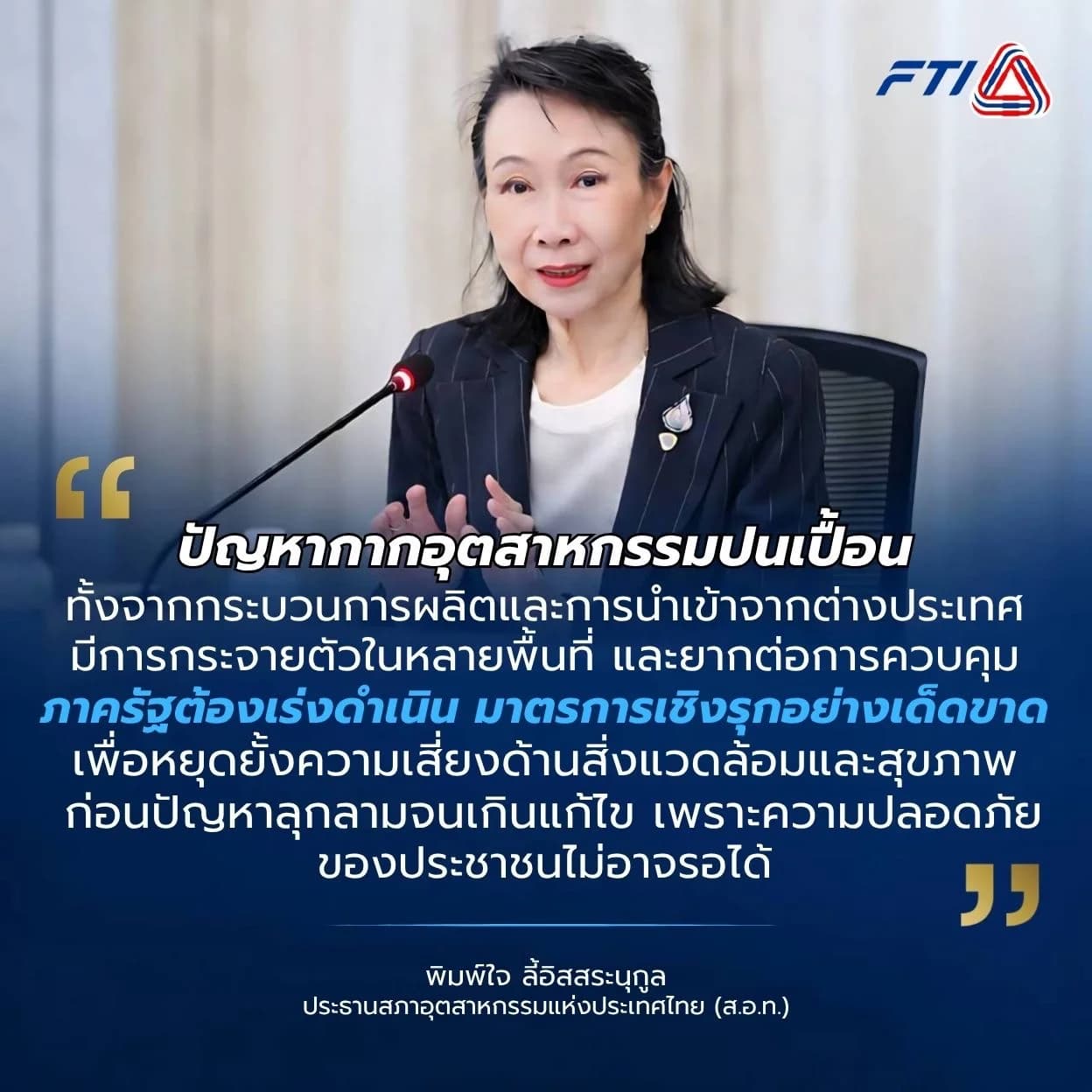
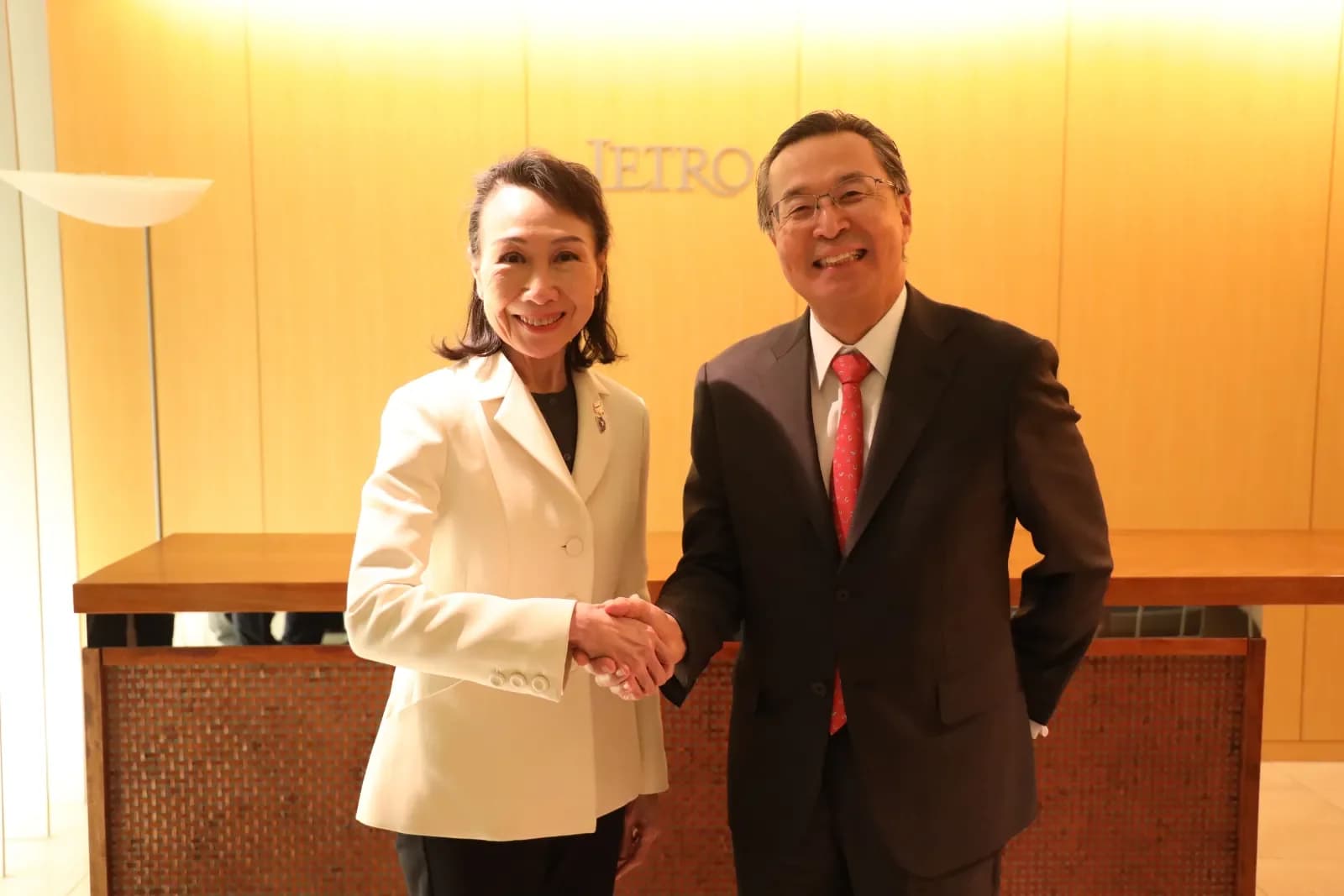
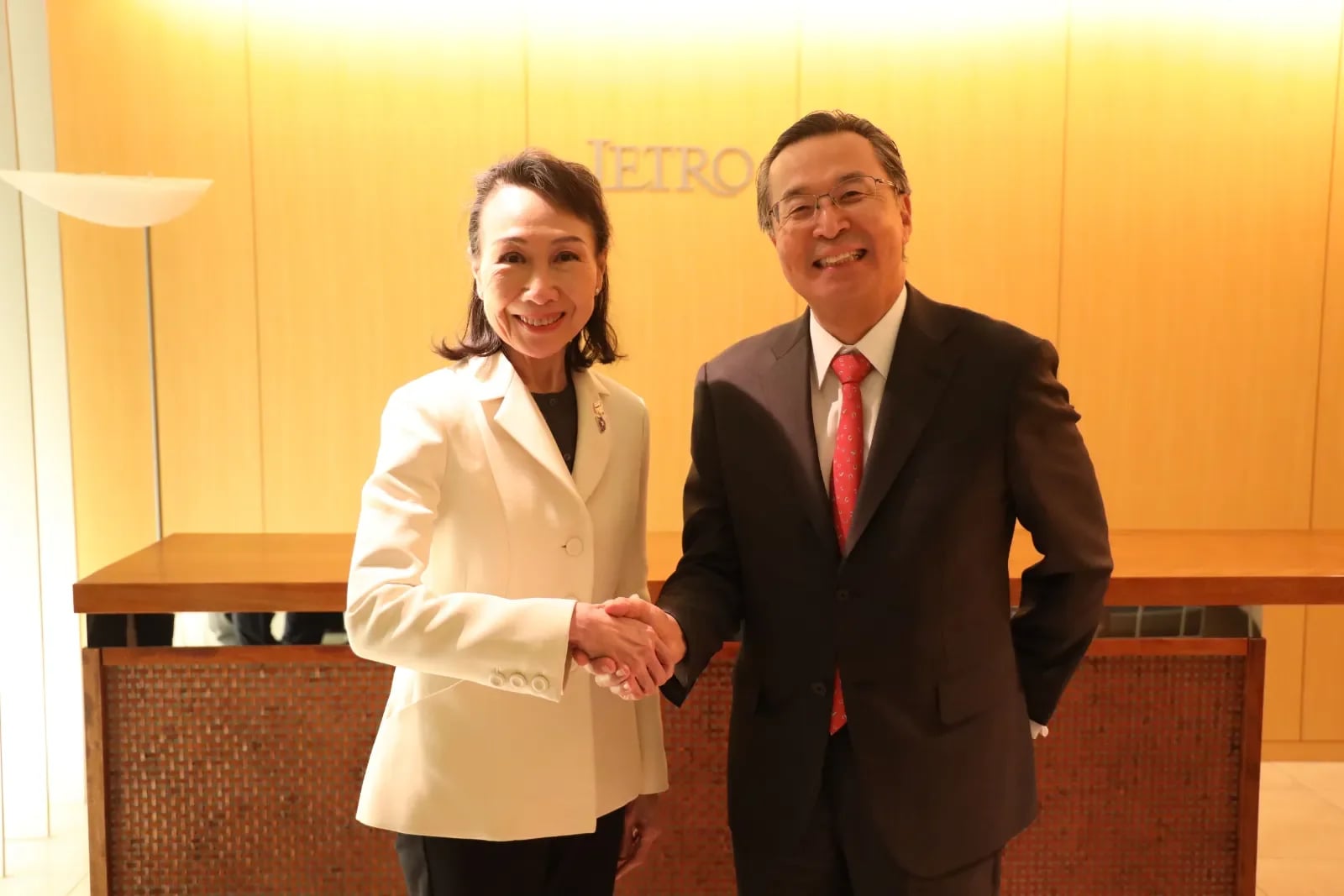
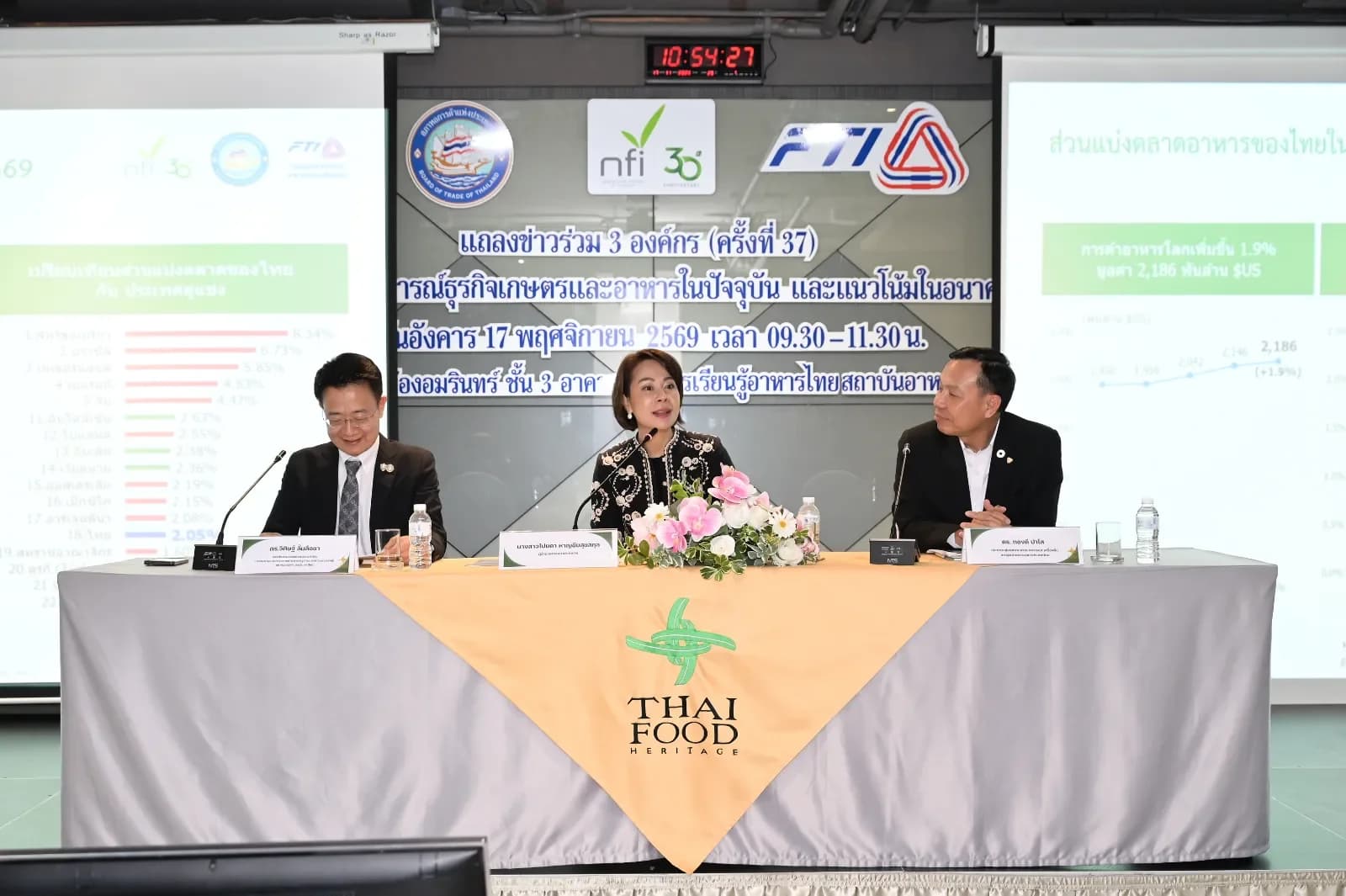
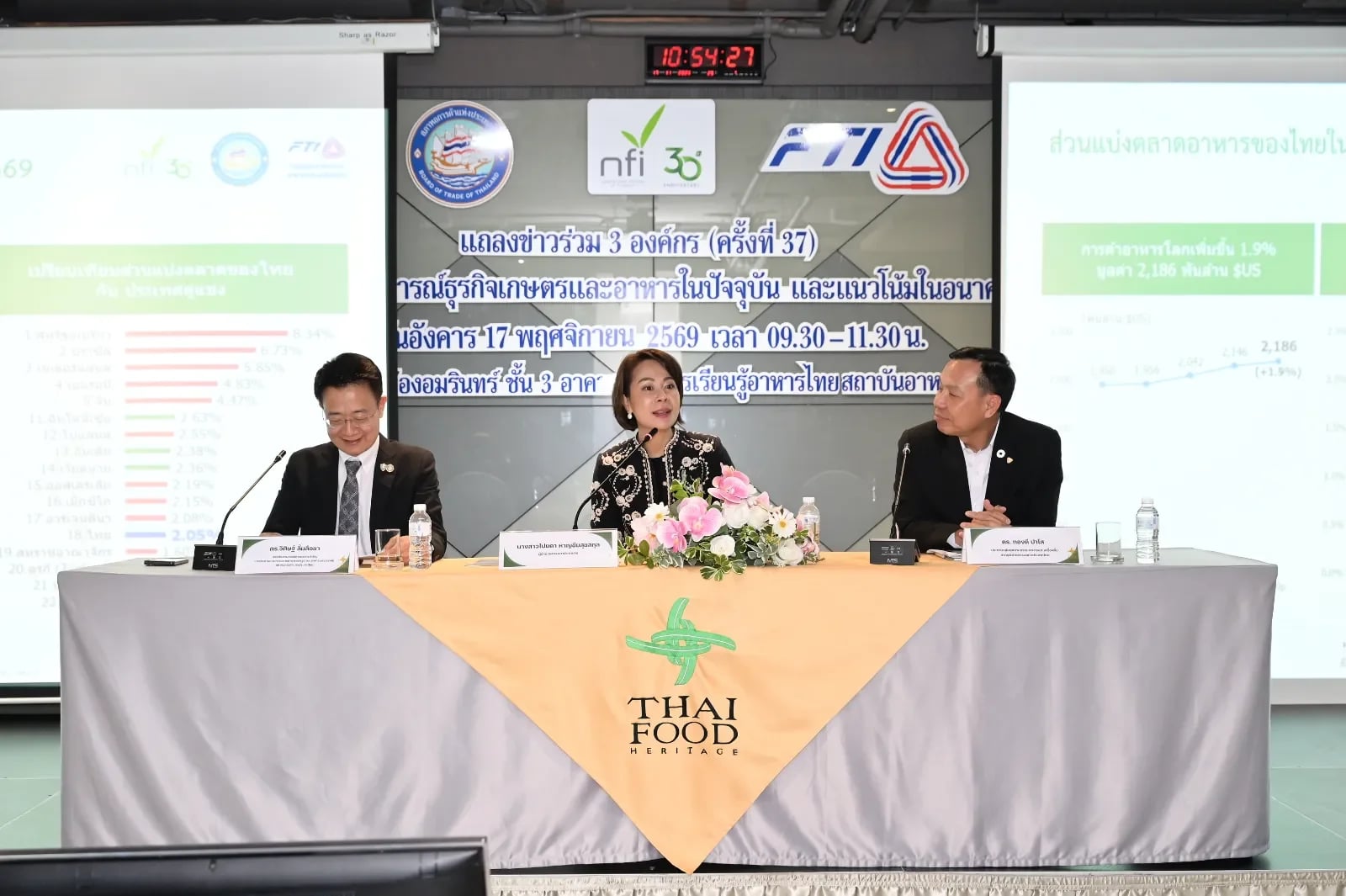
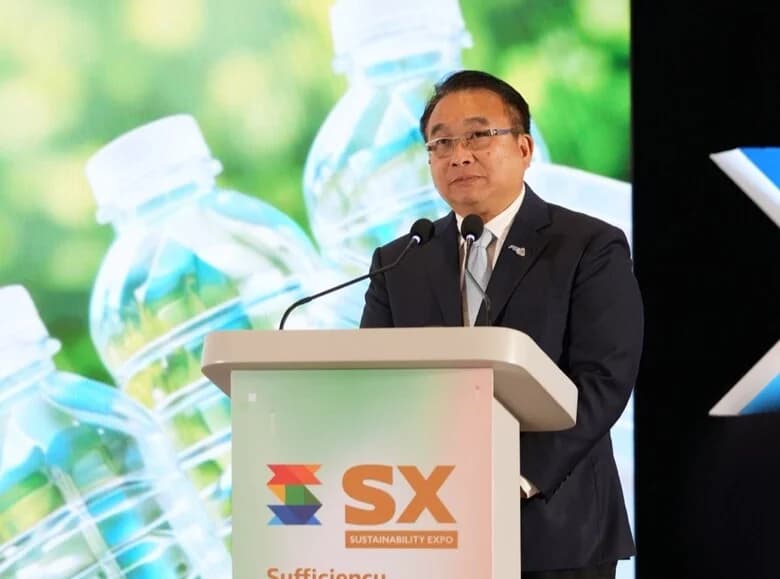
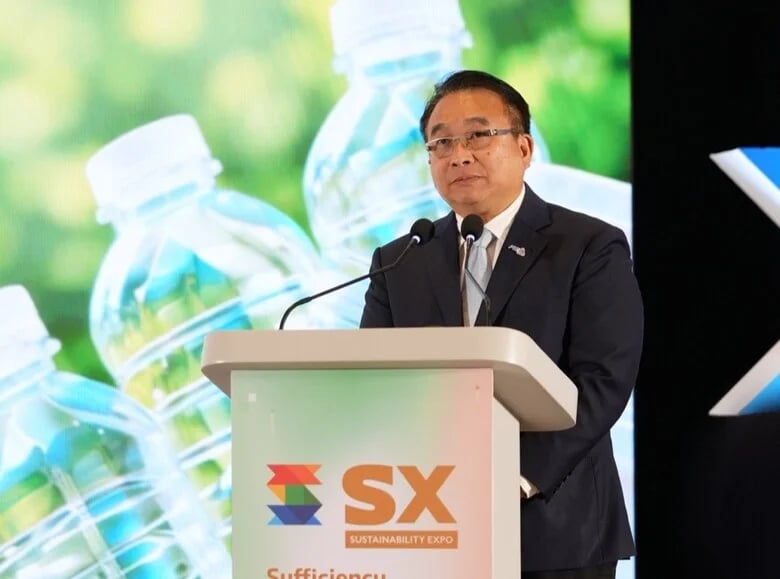
นางพิมพ์ใจ ลี้อิสสระนุกูล ประธานสภาอุตสาหกรรมแห่งประเทศไทย (ส.อ.ท.) ขานรับ 8 มาตรการที่นายกรัฐมนตรีสั่งการในการประชุมกองบัญชาการป้องกันและบรรเทาสาธารณภัยแห่งชาติ เมื่อวันที่ 21 พฤศจิกายน 2569 เพื่อเร่งแก้ปัญหาสารปนเปื้อนในแหล่งน้ำและคุ้มครองสุขภาพประชาชน โดยเสนอให้รัฐบาล เร่งจัดหาน้ำสะอาดและเริ่มเยียวยาผู้ได้รับผลกระทบในพื้นที่ลุ่มน้ำกกและลุ่มน้ำสายทันที ควบคู่กับการประสานความร่วมมือไทย–เมียนมาและการสนับสนุนด้านเทคนิคจากจีน เพื่อใช้หลักฐานทางวิทยาศาสตร์ระบุแหล่งกำเนิดสารปนเปื้อน กำหนดมาตรการควบคุมมลพิษที่ต้นทาง และวางแผนฟื้นฟูพื้นที่ได้รับผลกระทบ
ประธาน ส.อ.ท. ระบุว่า ความช่วยเหลือเร่งด่วนควรครอบคลุมทั้งการเข้าถึงน้ำสะอาดและการฟื้นฟูรายได้ของชุมชน หลังหน่วยงานภาครัฐตรวจพบสารหนูเกินเกณฑ์ในแม่น้ำสายบางจุดและบางช่วงเวลา โดยเมื่อต้นเดือนพฤศจิกายน 2569 ผลตรวจที่จุดหนึ่งพบสารหนู 0.25 มิลลิกรัมต่อลิตร หรือ 25 เท่าของเกณฑ์ที่ใช้เปรียบเทียบ ขณะที่ภาวะน้ำดิบขุ่นผิดปกติในช่วงเดียวกันกระทบต่อการผลิตน้ำประปาในอำเภอแม่สาย จังหวัดเชียงราย ส่วนในอำเภอแม่อาย จังหวัดเชียงใหม่ สำนักงานการท่องเที่ยวและกีฬาจังหวัดเชียงใหม่รายงานต่อที่ประชุมจังหวัดว่า ปัญหาคุณภาพน้ำแม่น้ำกกในพื้นที่ได้รับผลกระทบ คาดว่าจะสร้างความเสียหายต่อภาคเกษตรและการท่องเที่ยวกว่า 13 ล้านบาท สถานการณ์ดังกล่าวสะท้อนความเสี่ยงต่อความมั่นคงด้านน้ำ สุขภาพ และรายได้ของชุมชน
“แม่น้ำไม่มีพรมแดน แต่มลพิษต้องมีผู้รับผิดชอบ การตรวจพบสารปนเปื้อนเป็นเพียงจุดเริ่มต้น สิ่งที่ประชาชนต้องการเห็นคือการพิสูจน์ต้นตอให้ชัด หยุดการปล่อยมลพิษที่แหล่งกำเนิด และทำให้แหล่งน้ำกลับมาปลอดภัย เราต้องใช้หลักฐานทางวิทยาศาสตร์เป็นฐานของความร่วมมือ ไม่ใช่ความขัดแย้ง” นางพิมพ์ใจกล่าว
*หนุนเวทีไทย–เมียนมา ต่อยอดความร่วมมือด้านวิทยาศาสตร์กับจีน*
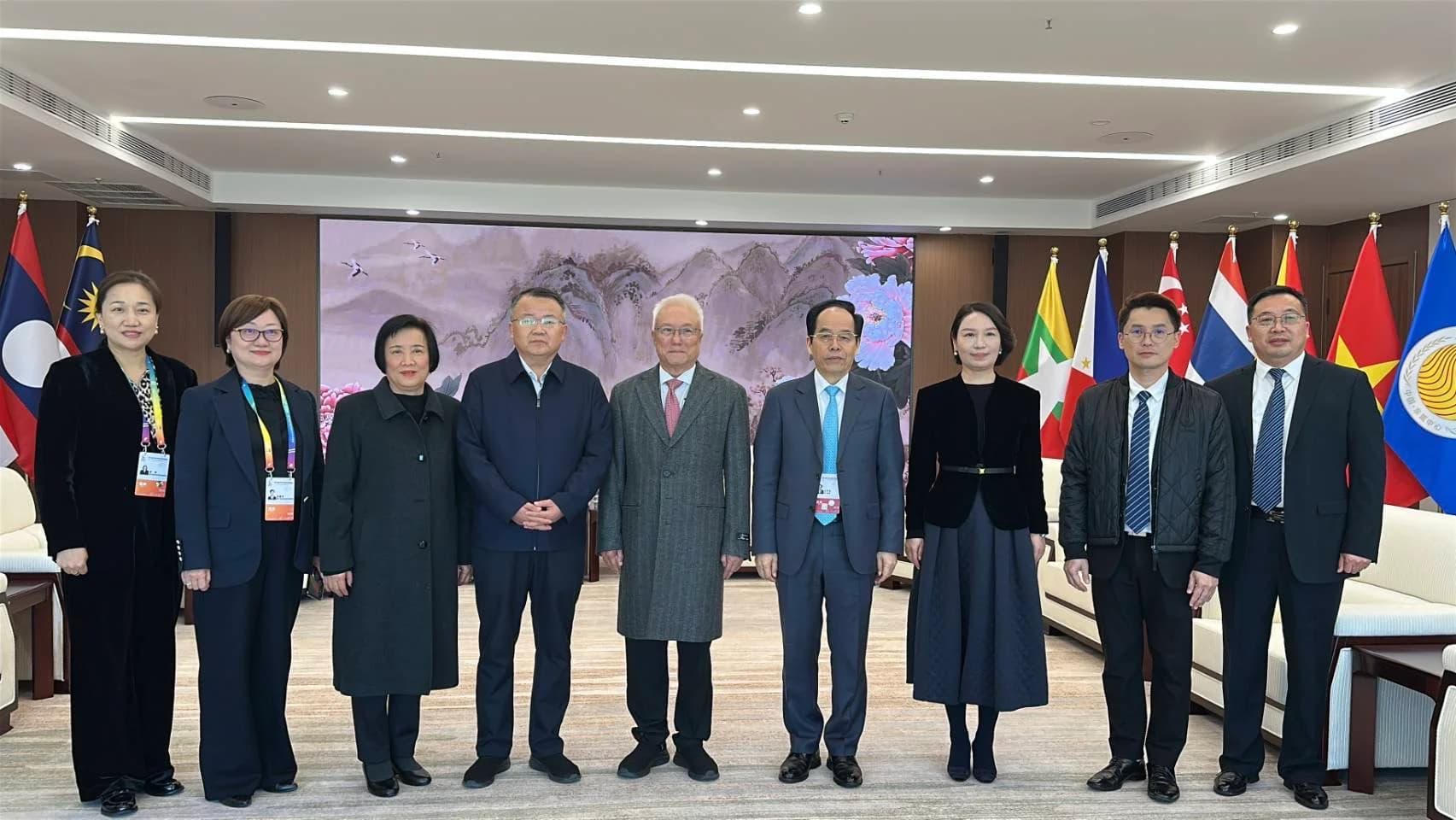
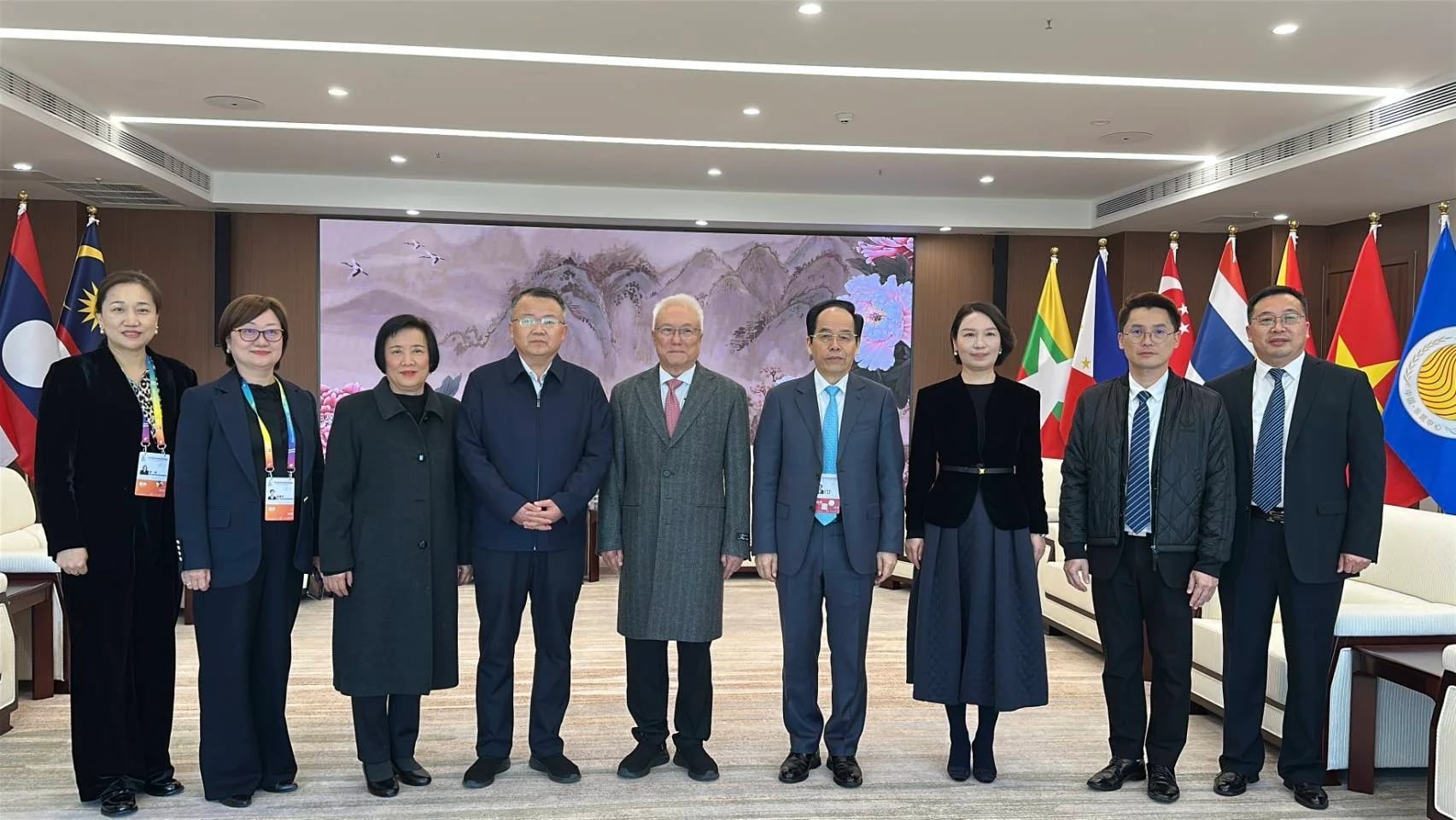
นางพิมพ์ใจกล่าวว่า การหารือของคณะทำงานร่วมด้านการจัดการคุณภาพน้ำไทย–เมียนมา วันที่ 25–26 พฤศจิกายน 2569 เป็นโอกาสนำข้อสั่งการด้านความร่วมมือระหว่างประเทศไปสู่แผนตรวจสอบร่วมที่ระบุจุดเก็บตัวอย่าง วิธีตรวจวิเคราะห์ และหน่วยงานรับผิดชอบอย่างชัดเจน เพื่อให้ติดตามแหล่งกำเนิดในพื้นที่ต้นน้ำและกำหนดมาตรการควบคุมได้ตรงจุด ขณะที่การสนับสนุนจากจีนด้านการตรวจวิเคราะห์และการเปรียบเทียบผลระหว่างห้องปฏิบัติการจะช่วยเพิ่มความน่าเชื่อถือของข้อมูลที่ใช้ร่วมกัน
ส.อ.ท. เสนอให้ทั้งสามฝ่ายและหน่วยงานวิชาการที่เกี่ยวข้องสนับสนุนมาตรฐานการเก็บตัวอย่าง และวิเคราะห์ร่วมกัน จัดทำฐานข้อมูลคุณภาพน้ำและตะกอนดินที่ตรวจสอบย้อนกลับได้ พร้อมพัฒนาระบบแจ้งเตือนภัยล่วงหน้าและกลไกเปิดเผยข้อมูลต่อประชาชน โดยต้องเชื่อมผลตรวจเข้ากับการติดตามแหล่งกำเนิด (Pollution Source Identification & Tracking) ไม่ใช่หยุดเพียงการรายงานตัวเลขสารปนเปื้อน
เสนอ 4 แนวทางเร่งด่วน: ปกป้องประชาชน–พิสูจน์ต้นตอ–ควบคุมต้นทาง–ฟื้นฟู
1. คุ้มครองประชาชนและเยียวยาผู้ได้รับผลกระทบ จัดหาน้ำสะอาดและแหล่งน้ำสำรอง ตรวจสุขภาพประชาชนในพื้นที่เสี่ยง และติดตามการปนเปื้อนในผลผลิตทางการเกษตรและสัตว์น้ำ พร้อมให้หน่วยงานสาธารณสุขและท้องถิ่นแจ้งคำแนะนำการใช้น้ำตามผลตรวจรายพื้นที่ และเร่งช่วยเหลือเกษตรกรและชุมชนที่ได้รับผลกระทบต่อรายได้
2. พิสูจน์แหล่งกำเนิดด้วยหลักฐานทางวิทยาศาสตร์ ใช้ผลตรวจน้ำและตะกอนดินร่วมกับข้อมูลธรณีเคมี ช่วงเวลาเก็บตัวอย่าง ปริมาณน้ำและฝน และข้อมูลกิจกรรมในลุ่มน้ำ เพื่อประเมินว่าการปนเปื้อนสัมพันธ์กับปัจจัยธรรมชาติหรือกิจกรรมของมนุษย์ และกำหนดจุดตรวจสอบเชิงลึกก่อนพิจารณาความรับผิด
3. ควบคุมมลพิษที่ต้นทาง ใช้กลไกทางการทูตและความร่วมมือระดับลุ่มน้ำผลักดันให้ลดและหยุดการปล่อยมลพิษจากแหล่งที่ยืนยันแล้ว พร้อมกำหนดผู้รับผิดชอบ กรอบเวลาดำเนินงาน และวิธีติดตามผล เพื่อให้การหารือนำไปสู่การลดความเสี่ยงในพื้นที่
4. ฟื้นฟูพื้นที่และจัดการน้ำกับตะกอนอย่างปลอดภัย ประเมินความเสี่ยงก่อนเลือกเทคโนโลยีและวิธีฟื้นฟู พร้อมพิจารณาใช้หลักผู้ก่อมลพิษเป็นผู้จ่าย (Polluter Pays Principle) เมื่อมีหลักฐานเชื่อมโยงการก่อมลพิษและสามารถกำหนดความรับผิดได้ตามกฎหมายและกรอบความร่วมมือระหว่างประเทศที่เกี่ยวข้อง
ภาคอุตสาหกรรมพร้อมหนุนเทคโนโลยีและบุคลากรเพื่อแก้ปัญหาอย่างเป็นรูปธรรม
นางพิมพ์ใจกล่าวเพิ่มเติมว่า ส.อ.ท. พร้อมประสานเครือข่ายอุตสาหกรรมและสถาบันการศึกษาเพื่อช่วยภาครัฐตรวจวิเคราะห์สารปนเปื้อน พัฒนาระบบเฝ้าระวัง ทดสอบเทคโนโลยีบำบัดน้ำ และประเมินทางเลือกฟื้นฟูดินและตะกอน โดยพิจารณาประสิทธิภาพ ความคุ้มค่า และผลกระทบต่อระบบนิเวศก่อนนำไปใช้ในพื้นที่
“การตรวจพบมลพิษ คือความก้าวหน้าของการเฝ้าระวัง แต่การหยุดมลพิษที่ต้นทาง และทำให้ประชาชนกลับมาใช้ทรัพยากรน้ำได้อย่างมั่นใจ คือผลสัมฤทธิ์ที่แท้จริงของการแก้ปัญหา ส.อ.ท. ยืนยันพร้อมเป็นภาคีของรัฐบาลในการขับเคลื่อนเรื่องนี้ให้เกิดผลอย่างต่อเนื่อง” นางพิมพ์ใจกล่าวทิ้งท้าย
Support for the Urgent Provision of Clean Water and Community Assistance Utilizing Scientific Data to Foster Thai–Myanmar–China Cooperation
Ms. Pimjai Leeissaranukul, Chairman of The Federation of Thai Industries (FTI), welcomed the eight measures mandated by the Prime Minister during the National Disaster Prevention and Mitigation Command meeting on November 21, 2026, aimed at expediting solutions to contaminants in water sources and protecting public health. She urged the government to promptly secure clean water and begin supporting those affected in the Kok and Sai River basins immediately, in conjunction with reinforcing cooperation between Thailand and Myanmar and technical support from China to use scientific evidence to identify sources of contamination, establish pollution control measures at the source, and create a restoration plan for the affected areas.
The FTI Chairman stated that immediate assistance should encompass both access to clean water and the restoration of community livelihoods after state agencies detected arsenic levels exceeding standards in certain areas and at specific times in the Sai River. Early November 2026 test results at one site revealed arsenic concentrations of 0.25 mg/l, or 25 times the standard for comparison. Meanwhile, abnormal turbidity of raw water during the same period affected drinking water production in Mae Sai district, Chiang Rai province. In Mae Ai district, Chiang Mai province, the Chiang Mai Provincial Tourism and Sports Office reported to the province’s meeting that the water quality issues in the Kok River affected area were expected to cause damage to agriculture and tourism exceeding 13 million baht. This situation reflects the risks to water security, health, and community income.
"Rivers have no borders, yet pollution must have accountability. The detection of pollutants is merely the starting point. What the public expects to see is a clear proof of the source, the cessation of pollution at the origin, and the restoration of water safety. We must utilize scientific evidence as the foundation of cooperation, not conflict," Ms. Pimjai stated.
*Support for Thai-Myanmar Forum to Enhance Scientific Cooperation with China*
Ms. Pimjai remarked that discussions among the Thai-Myanmar Joint Working Group on Water Quality Management on November 25-26, 2026, present an opportunity to translate international cooperation directives into a collaborative inspection plan clearly identifying sampling points, analysis methods, and responsible agencies to effectively monitor pollution sources in upstream areas and specify control measures. At the same time, support from China in testing and comparative analysis between laboratories will help enhance data reliability.
FTI proposed that the three parties and relevant academic agencies support standardized sampling and joint analysis, establish a database of water quality and sediment that is traceable, and develop an early warning system and public information disclosure mechanism. The results must connect to pollution source identification and tracking, rather than merely reporting pollution figures.
Proposed 4 Urgent Strategies: Protect Citizens – Prove the Source – Control at the Source – Restore
1. Protect citizens and assist those affected by providing clean water and reserves, conducting health checks for residents in at-risk areas, tracking contamination in agricultural products and aquatic life, while ensuring public health and local agencies provide water usage recommendations based on test results, and urgently assist affected farmers and communities with income loss.
2. Prove the source using scientific evidence by utilizing test results from water and sediment alongside geochemical data, sampling periods, rainfall amounts, and land-use activities in the basin to assess whether contamination is associated with natural factors or human activities, and determine deep-check points before considerations of accountability.
3. Control pollution at the source using diplomatic mechanisms and basin-level cooperation to push for the reduction and cessation of pollutant discharges from established sources, while identifying accountable parties, timelines for action, and methods for follow-up to ensure discussions lead to risk reduction in the area.
4. Safely restore impacted areas and manage water and sediment, assessing risks before selecting technologies and methods for restoration, while considering the Polluter Pays Principle once evidence links pollution and accountability can be established within the framework of law and relevant international cooperation.
The industrial sector is ready to provide technology and personnel for tangible problem-solving.
Ms. Pimjai further stated that FTI is prepared to coordinate with industrial networks and academic institutions to assist the government in analyzing contaminants, developing monitoring systems, testing water treatment technologies, and assessing restoration options for soil and sediments, considering efficiency, cost-effectiveness, and environmental impacts before implementation in the area.
"The detection of pollution marks progress in monitoring efforts; however, stopping pollution at the source and ensuring that citizens can confidently use water resources is the true success of addressing this issue. FTI reaffirms its commitment to partnering with the government in driving this matter forward effectively," Ms. Pimjai concluded.